






What's Happening?
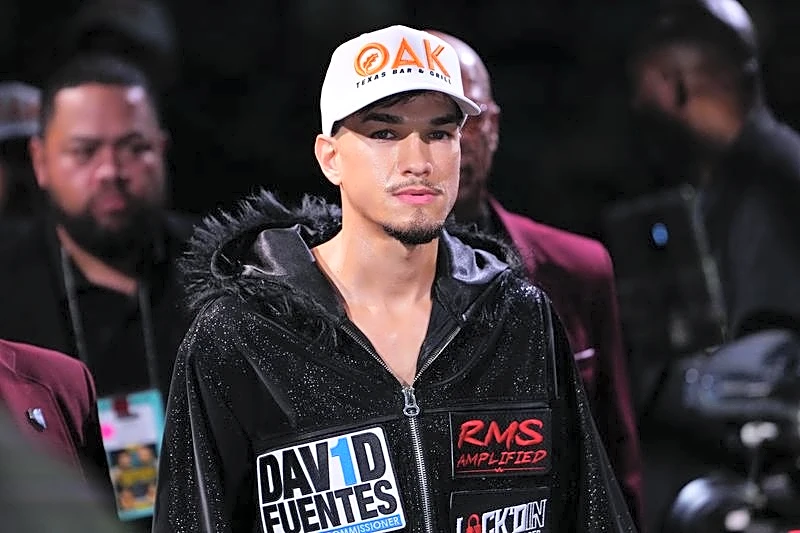
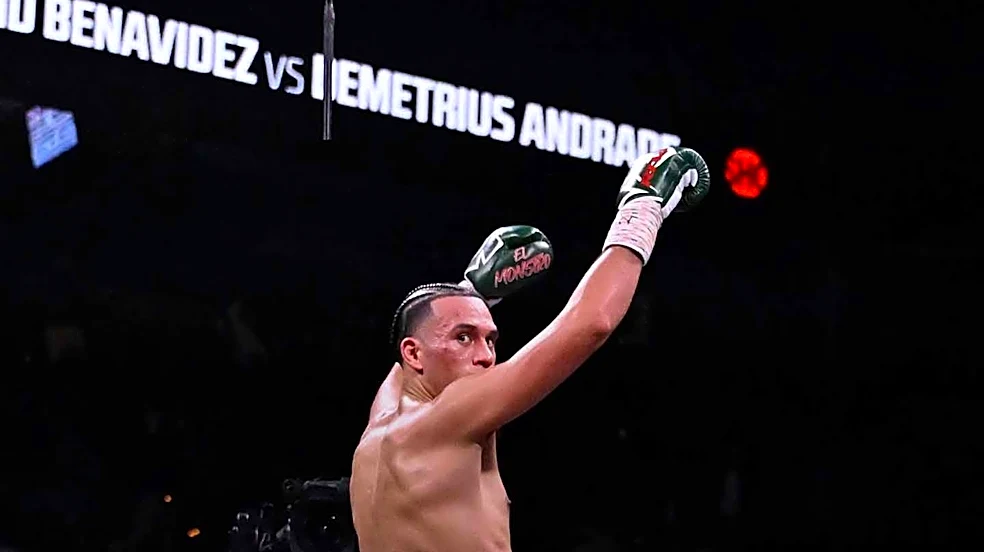
David Benavidez, a prominent boxer, is set to launch his own promotional company, DB Promotions, following the conclusion of his decade-long contract with Sampson Lewkowicz in December. Benavidez announced this move to Brian Custer, emphasizing it as a natural
progression in his career while acknowledging Lewkowicz's significant role in his development. Despite establishing his own company, Benavidez intends to continue collaborating with PBC (Premier Boxing Champions) and his existing team, including Al Haymon and TGB Promotions. This strategic shift aims to give Benavidez more control over the business aspects of his fights and potentially increase his share of promotional earnings. He also expressed interest in signing and developing other boxers under his new promotional banner, particularly those who train with him and his father, Jose Benavidez Sr. This expansion into talent management signifies a long-term vision for DB Promotions beyond Benavidez's active fighting career.
Why It's Important?
This move by David Benavidez is significant for several reasons within the boxing industry. Firstly, it represents a growing trend among high-profile athletes to gain more autonomy and financial control over their careers, moving beyond traditional promoter-fighter relationships. By launching DB Promotions, Benavidez aims to capture a larger portion of the revenue generated from his fights, which typically goes to promoters. This could set a precedent for other fighters seeking greater financial independence. Secondly, his intention to sign and develop new talent under DB Promotions could introduce a new player into the promotional landscape, potentially fostering competition and offering alternative pathways for aspiring boxers. However, the financial complexities of running a promotional company, including covering operational costs and purse guarantees for prospects, present substantial challenges. The continued involvement of established entities like PBC, Al Haymon, and TGB suggests a hybrid model, where Benavidez seeks more control without fully severing ties with powerful industry figures, highlighting the intricate balance of power in professional boxing.
What's Next?
Following the conclusion of his current contract in December, David Benavidez's DB Promotions is expected to become his primary promotional entity starting early next year. While he aims to gain more control and financial upside, the precise operational and financial arrangements with PBC, Al Haymon, and TGB Promotions remain to be fully detailed. Future negotiations for high-profile fights, such as those against Jai Opetaia, Artur Beterbiev, or Oleksandr Usyk, will likely involve DB Promotions playing a more central role in securing terms and revenue splits. Additionally, the boxing community will be watching to see which emerging talents Benavidez chooses to sign, as this will indicate the scope and ambition of his new venture. The success of DB Promotions in managing Benavidez's career and developing new fighters will be a key indicator of whether this model of fighter-led promotion gains wider traction in the sport.
Beyond the Headlines
Benavidez's venture into promotion extends beyond immediate financial gains; it reflects a broader evolution in athlete empowerment. Historically, boxers have often been at the mercy of promoters, leading to disputes over earnings and career direction. By taking on a promotional role, Benavidez is not just a fighter but also an entrepreneur, challenging the traditional power structures within boxing. This shift could inspire other athletes across various sports to explore similar avenues, leading to a more decentralized and athlete-centric industry. However, the transition from athlete to business owner is fraught with challenges, including managing complex logistics, financial risks, and the demanding nature of talent development. The success or failure of DB Promotions could serve as a case study for future athlete-entrepreneurs, influencing how athletes perceive and pursue control over their professional lives and post-career legacies. It also raises questions about the long-term impact on established promotional companies and the potential for new collaborative models.