
What's Happening?
Crying is a universal human response with various emotional and physical benefits. Researchers have identified three types of tears: reflex, basal, and emotional, each serving different functions. Emotional
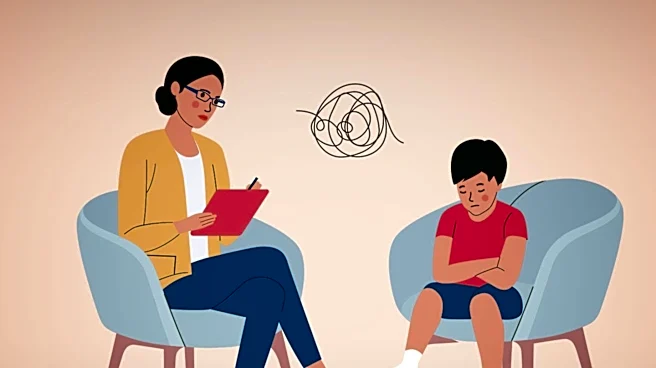
tears, in particular, are linked to stress relief and the release of endorphins and oxytocin, which can alleviate pain and improve mood. Crying also serves as a social signal, fostering connections and support from others. While crying is a healthy emotional expression, excessive crying may indicate underlying issues such as depression, warranting professional help.
Why It's Important?
Understanding the science of crying provides insight into its role in emotional regulation and social interaction. Crying can be a therapeutic tool, helping individuals cope with stress and emotional pain. It also highlights the importance of emotional health and the need for support systems during challenging times. Recognizing when crying becomes excessive is crucial for identifying potential mental health issues, emphasizing the importance of seeking professional guidance. This knowledge can inform public health strategies and mental health services, promoting overall well-being.