



What's Happening?
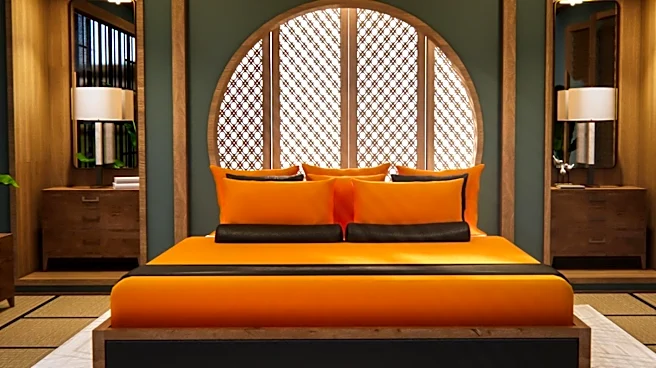
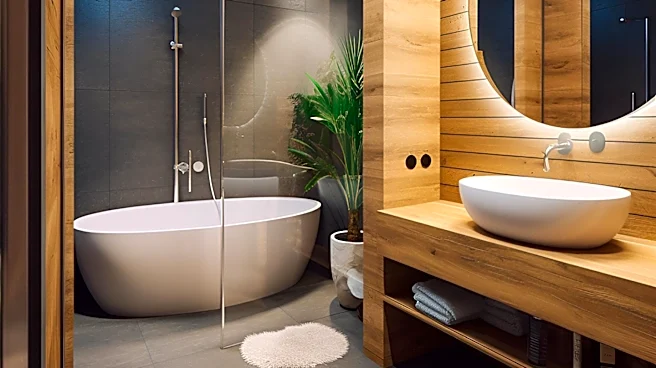
AI interior design tools are transforming how people approach bedroom design, particularly with the Japandi style, which combines Japanese minimalism with Scandinavian warmth. This style is gaining popularity for its ability to address awkward bedroom layouts,
such as sloped ceilings or off-center windows. The use of low-profile platform beds and natural materials like oak and rattan helps create a meditative, spa-like atmosphere. AI tools like MeltFlex allow users to upload floor plans or photos to generate 3D models, test different styles, and visualize the final design before making any purchases. This approach eliminates guesswork and helps users make informed decisions about furniture placement and style choices.
Why It's Important?
The integration of AI in interior design democratizes access to professional-level design tools, allowing individuals to create personalized and functional living spaces without the need for expensive consultations. The Japandi style, with its focus on simplicity and natural materials, aligns with growing consumer preferences for sustainable and minimalist living. By addressing common design challenges, such as awkward room layouts, AI tools empower users to optimize their living spaces for both aesthetics and functionality. This trend reflects a broader shift towards technology-driven solutions in home design, which could significantly impact the interior design industry by making it more accessible and cost-effective.
What's Next?
As AI tools continue to evolve, they are likely to offer even more sophisticated features, such as augmented reality integrations and enhanced customization options. This could lead to a greater adoption of AI in home design, with more consumers using these tools to experiment with different styles and layouts. The success of AI-driven design platforms may also encourage traditional interior design firms to incorporate technology into their services, potentially reshaping the industry landscape. Additionally, as sustainability becomes a more pressing concern, the demand for eco-friendly design solutions like Japandi is expected to grow.