


What's Happening?
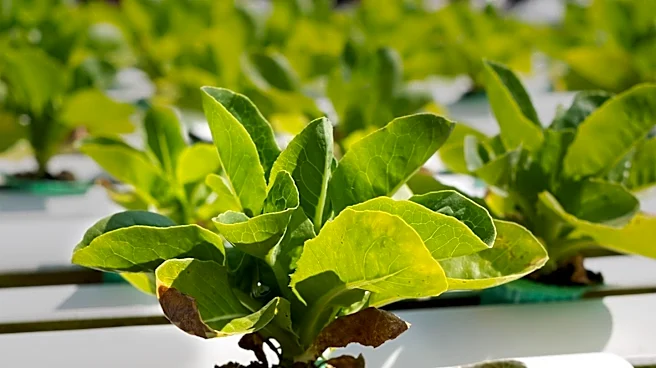
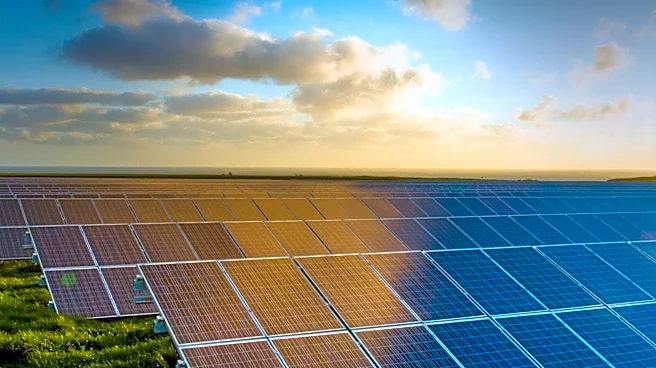
Germany is conducting an 18-month-old experiment in North Rhine-Westphalia, growing hydroponic lettuce under Agri-PV (agrivoltaic) solar arrays. This project, led by SUNfarming in collaboration with TH Köln and NourTec GmbH, aims to assess the viability
of soilless cultivation beneath solar infrastructure. The primary motivation is the significant reduction in power costs for hydroponics, with on-site solar photovoltaic (PV) systems cutting electricity expenses per kilogram of lettuce by over half compared to grid electricity. However, a key challenge is that German agricultural law, specifically DIN SPEC 91434 and CAP direct payment rules, requires land to maintain its primary agricultural use, delivering at least 66% of a reference yield and ensuring 85% of the area remains agriculturally usable for subsidy and tax status. These regulations were designed for traditional soil-based farming, creating uncertainty about how hydroponic systems, which do not touch the soil, will be classified. The project is part of NRW’s GreenEconomy.IN.NRW competition, funded by EU money, and is focused on developing a model-based planning tool rather than immediately launching a commercial farm.
Why It's Important?
This German experiment holds significant implications for the future of agriculture and renewable energy, particularly in the U.S. and globally. If successful, it could redefine agricultural land use, allowing for dual-purpose development that maximizes land efficiency by combining food production with clean energy generation. For the U.S., where land use conflicts between solar farms and agriculture are emerging, this model could offer a solution to increase solar deployment without sacrificing food security. The energy efficiency gains demonstrated—cutting power costs by more than half and reducing CO2 emissions by over 94% for hydroponic lettuce—could drive down operational costs for controlled environment agriculture, making fresh produce more accessible and sustainable. Furthermore, the agronomic benefits, such as shade-loving crops like lettuce thriving under panels due to cooler, more diffuse light, could expand the range of crops suitable for agrivoltaics. The regulatory hurdles faced in Germany highlight the need for updated agricultural policies in other nations, including the U.S., to accommodate innovative farming methods that integrate with renewable energy infrastructure.
What's Next?
The project is scheduled to run until February 2028, with the primary deliverable being a model-based planning, simulation, and training toolbox for vertical indoor farm design. This tool will help developers determine the feasibility and optimal setup for agrivoltaic hydroponic systems based on specific site, crop, and array layouts. The immediate next step for the German authorities will be to clarify the legal classification of soilless cultivation under solar panels within existing agricultural laws. The outcome of this regulatory decision will significantly influence the commercial scalability of such projects. If the regulatory framework adapts favorably, SUNfarming, now majority-owned by Miami-headquartered I Squared Capital, is well-positioned to scale these operations, given its existing land, steel, and permits for large-scale agrivoltaic parks. Conversely, if regulatory barriers prove insurmountable, the land under the panels may revert to traditional uses like growing grass, limiting the broader adoption of this integrated approach.
Beyond the Headlines
Beyond the immediate agricultural and energy benefits, this project touches upon deeper ethical and cultural dimensions regarding the definition of 'farming' and 'agricultural land.' The traditional understanding of agriculture is deeply rooted in soil cultivation, and the shift to hydroponics under solar panels challenges this long-held paradigm. This redefinition could lead to broader discussions about food sovereignty, the role of technology in food production, and the environmental footprint of modern agriculture. The integration of energy and food systems also raises questions about economic resilience and local supply chains, potentially reducing reliance on distant food sources and centralized energy grids. Furthermore, the project's focus on developing a planning tool rather than just a farm underscores a strategic shift towards knowledge transfer and technological empowerment, aiming to provide farmers and developers with the means to implement these systems effectively. This could foster a new industry around integrated agri-energy solutions, creating new jobs and economic opportunities in both sectors.