



What's Happening?
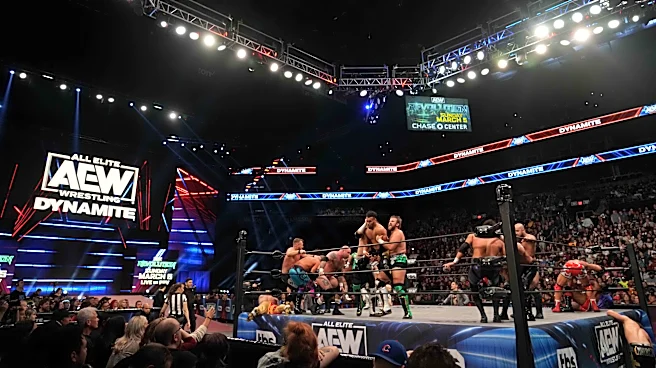
MJF, a prominent figure in All Elite Wrestling (AEW) and former AEW World Champion, has publicly addressed his approach to online criticism and negativity. In an interview with Pro Wrestling Illustrated, MJF explained that he differentiates between 'good-faith'
and 'bad-faith' criticism. He considers criticism from genuine fans who want to see AEW succeed as potentially valuable, even if he believes he is ultimately correct. However, he views negativity and hate from other sources as fuel for his motivation. MJF stated that he actively reads negative comments about himself while training, using them to push his physical limits and achieve personal records. He asserts that this negativity only makes him stronger, leading him to 'triple down' on his actions rather than backing down.
Why It's Important?
MJF's strategy of leveraging online negativity as a motivational tool highlights a unique aspect of public figures navigating social media in the entertainment industry. This approach can be seen as a method of psychological resilience, transforming potential detractors into an unexpected source of drive. For AEW, having a top star who thrives on controversy and uses it to enhance his performance could contribute to increased engagement and viewership, as fans and critics alike are drawn to his polarizing persona. This dynamic also reflects broader trends in professional wrestling, where character work and real-life interactions often blur, creating compelling narratives that extend beyond the ring. His ability to convert online 'hate' into personal and professional gains sets a precedent for how performers might manage their public image and maintain relevance in a highly scrutinized environment.
What's Next?
MJF's continued use of online criticism as motivation suggests that his in-ring and promotional persona will likely remain provocative and unyielding. This approach could lead to further heightened reactions from both his supporters and detractors, potentially increasing his visibility and drawing more attention to AEW events. As he continues to 'triple down' on his actions, it is probable that his character will evolve to become even more defiant and self-assured, further solidifying his role as a top heel in the company. This strategy may also influence other performers to adopt similar methods of engaging with their audience, potentially shaping the future landscape of how professional wrestlers interact with social media and manage public perception.
Beyond the Headlines
Beyond the immediate impact on AEW, MJF's method of converting online negativity into personal fuel touches upon broader psychological and sociological themes. In an era dominated by social media, public figures often face immense pressure and scrutiny. MJF's approach offers a case study in how individuals can reframe external criticism to serve internal goals, transforming what might be debilitating for others into a source of strength. This phenomenon extends beyond professional wrestling, resonating with anyone in the public eye who must contend with constant feedback, both positive and negative. It raises questions about the nature of resilience, the power of perception, and how individuals can maintain agency and drive in the face of widespread public opinion, ultimately highlighting the complex interplay between personal identity and public persona in the digital age.