
What's Happening?
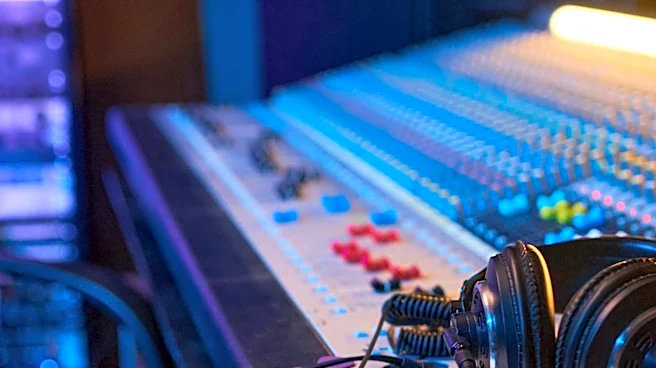
A notable trend is emerging in modern music production where old-school producers, known for their traditional recording techniques, are increasingly in demand. These producers prioritize live studio collaboration, encouraging musicians to play together
rather than relying heavily on digital editing and isolated tracking. Andrew Watt, born in 1990, exemplifies this approach, having produced albums for The Rolling Stones, Ozzy Osbourne, Iggy Pop, and Pearl Jam by focusing on capturing live performances without click tracks or rigid timing grids. Similarly, Rick Rubin, a veteran producer since the 1980s, continues to emphasize performances and arrangements, working with both established artists like Johnny Cash and younger musicians such as beabadoobee and Tyler Childers. Dave Cobb, known for his work in Americana and country music, also champions recording bands together to preserve the character of their performances. T Bone Burnett, another architect of Americana recording, brings musicians together to explore contrasting musical backgrounds, as seen in his collaborations with Robert Plant and Alison Krauss, and more recently, Ringo Starr. British producer James Ford and hip-hop producer Pharrell Williams also demonstrate how experienced producers are bringing their deep musical knowledge and collaborative instincts to contemporary recordings, often reuniting with artists they have long histories with.
Why It's Important?
This resurgence of old-school music production techniques signifies a significant shift in the music industry, moving away from purely digital and isolated recording methods towards a more organic, collaborative approach. This trend is important because it emphasizes the value of human interaction, spontaneous creativity, and the unique chemistry that arises when musicians perform together in real-time. For artists, it offers an opportunity to create music with a more authentic feel, capturing the raw energy and emotional depth often lost in highly digitized productions. For the industry, it highlights the enduring relevance of experienced producers who possess not only technical skills but also a deep understanding of musicality, arrangement, and performance dynamics. This shift could lead to a richer, more diverse soundscape in popular music, potentially influencing future trends in recording and production. It also underscores that despite technological advancements, the fundamental appeal of live musical interaction remains a powerful force in artistic creation, benefiting both established legends and emerging talents by fostering environments where genuine musical moments can thrive.
What's Next?
The growing demand for old-school music producers and their collaborative recording methods suggests a continued evolution in how music is made. We can expect to see more artists, across various genres, seeking out producers who prioritize live studio sessions and emphasize the collective performance of musicians. This trend may lead to a greater appreciation for the nuances of live instrumentation and vocal delivery, potentially influencing music education and the development of new talent. Record labels and studios might invest more in creating environments conducive to collaborative recording, moving beyond solely digital workflows. Furthermore, the success of albums produced with this philosophy could inspire a new generation of producers to study and integrate traditional techniques with modern technology, creating a hybrid approach that leverages the best of both worlds. This movement could also foster more cross-generational collaborations, as experienced producers continue to work with younger artists, bridging different eras and musical styles. The focus on authentic performances is likely to resonate with audiences seeking more genuine and less processed musical experiences.
Beyond the Headlines
Beyond the immediate impact on recording techniques, the resurgence of old-school music production reflects a deeper cultural yearning for authenticity and human connection in an increasingly digital world. This trend can be seen as a counter-movement to the hyper-polished, often impersonal sound that can result from over-reliance on technology. Ethically, it raises questions about the balance between technological innovation and artistic integrity, suggesting that while technology offers endless possibilities, it should serve, rather than dictate, the creative process. Culturally, it reinforces the idea that music is fundamentally a communal act, a shared experience between performers that translates into a more resonant experience for listeners. This shift could also influence how music is consumed, with a potential increase in appreciation for live performances and recordings that capture the 'imperfections' and spontaneity of human artistry. It highlights a long-term shift in valuing the craft and artistry of musicianship, emphasizing the intangible magic that occurs when individuals create together, rather than merely assembling sounds through digital means. This movement underscores the enduring power of human collaboration in artistic expression.