





What's Happening?
Non-surgical body sculpting treatments are evolving, offering various technologies to improve the shape and appearance of targeted body areas. These treatments are not intended for major weight loss but rather for localized fat reduction, muscle toning,
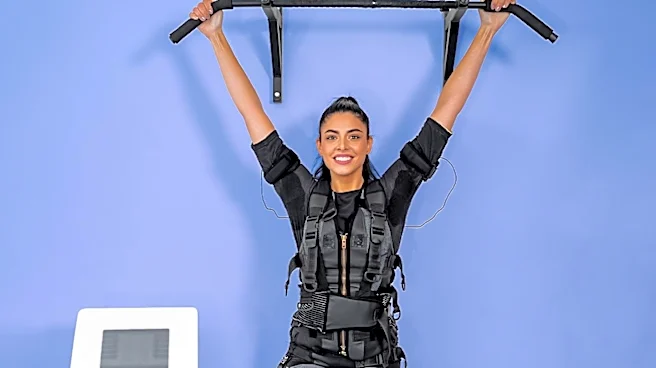
and skin firmness. Technologies include high-intensity electromagnetic energy (HIFEM+) combined with radiofrequency (RF) heating, as seen in EmSculpt NEO, which aims to build muscle and reduce fat. Laser-based systems like SculpSure use controlled heat to target localized fat, while cryolipolysis (e.g., CoolSculpting Elite) employs controlled cooling. Radiofrequency body contouring, such as truSculpt, uses electrical energy to heat tissue and encourage collagen production for skin tightening. Combination platforms like Venus Bliss MAX integrate laser, electrical muscle stimulation, and RF technology to address multiple concerns simultaneously. The effectiveness and suitability of these treatments depend on individual goals, body composition, and the specific technology used.
Why It's Important?
The advancement in non-surgical body sculpting technologies signifies a growing demand for aesthetic procedures that offer less invasive alternatives to traditional surgery. This trend impacts the U.S. beauty and wellness industry by expanding the market for med spas and clinics offering these services. For consumers, it provides more options for body contouring, allowing for targeted improvements without the downtime and risks associated with surgical procedures. The distinction between treatments for fat reduction, muscle definition, and skin tightening is crucial, as it helps individuals make informed decisions based on their specific needs. The emphasis on these treatments not being a substitute for weight loss also highlights a shift towards realistic expectations and responsible marketing within the aesthetic industry, promoting overall health and wellness alongside cosmetic enhancements.
What's Next?
The future of non-surgical body sculpting is likely to see continued innovation in technology, with an emphasis on multi-modality platforms that can address a wider range of concerns with greater efficiency. Research and development will probably focus on enhancing treatment efficacy, reducing side effects, and improving patient comfort. There may also be an increased focus on personalized treatment plans, where providers use a combination of technologies tailored to an individual's unique body type and aesthetic goals. Regulatory bodies like the FDA will continue to play a critical role in evaluating the safety and effectiveness of new devices, ensuring that consumers receive treatments that are both safe and deliver on their promises. The industry will also need to address the ongoing challenge of managing patient expectations, clearly communicating that these treatments are for contouring and not a solution for obesity.
Beyond the Headlines
Beyond the immediate aesthetic benefits, the rise of non-surgical body sculpting reflects broader societal trends related to body image, self-care, and the pursuit of physical perfection. While these treatments offer a less invasive path to desired body shapes, they also raise questions about the increasing medicalization of appearance and the potential for unrealistic beauty standards. The accessibility of these procedures could influence how individuals perceive their bodies and the lengths they are willing to go to achieve certain ideals. Ethically, it's important for providers to ensure transparent communication about the limitations and potential risks of these treatments, emphasizing that they complement, rather than replace, healthy lifestyle choices. The long-term psychological and social impacts of widespread non-surgical body contouring, particularly on younger generations, warrant further consideration as these technologies become more prevalent.