




What's Happening?
OKXICE, a new trading platform for tokenized securities operated by Intercontinental Exchange and crypto exchange OKX, is launching despite significant opposition from companies whose stocks it intended to list. According to public notices reviewed between
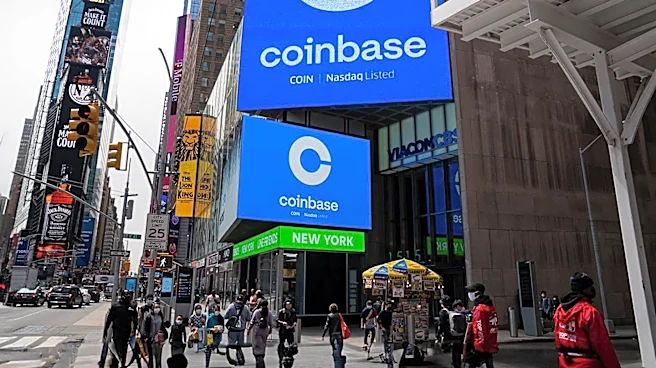
October 4 and November 5, 56 out of 62 initial companies objected to having their shares tokenized and traded on the platform, representing a 90% rejection rate. This high rate of objection is attributed to companies' lack of familiarity with tokenization and the short 30-day opt-out window provided by the SEC's Innovation Exemption. Andrew Cuomo, co-chair of OKXICE, stated that many companies were cautious due to unfamiliarity with the system and its implications for 24/7 global trading. Despite the initial pushback, OKXICE will launch with tokenized shares of companies like Coinbase, Robinhood, and Strategy, and has confirmed 113 assets for a rolling launch, with further interest from other issuers.
Why It's Important?
The significant pushback against tokenized stocks highlights the challenges in integrating traditional financial assets with blockchain technology. This resistance could slow the adoption of tokenized securities, which proponents view as a revolutionary step towards a 24/7 global marketplace. The reluctance of companies stems from concerns about how continuous trading might affect stock value, investor relations strategies, and the timing of corporate announcements. This situation also brings to light the differing approaches to tokenization, with some models requiring issuer consent and others operating without it. The outcome of this initial rollout will likely influence future regulatory frameworks and corporate willingness to engage with blockchain-based trading platforms, impacting the pace of innovation in financial markets.
What's Next?
Despite the initial high rate of objections, OKXICE expects more issuers to participate as they become more familiar with the tokenization model. The platform will proceed with its launch, offering tokenized shares of several companies and a growing list of assets. Future developments may include adjustments to the SEC's Innovation Exemption, potentially extending the opt-out window to allow companies more time to evaluate tokenization. The success or struggles of OKXICE in attracting more issuers will be closely watched by other exchanges and crypto-native platforms looking to bring traditional assets onto the blockchain. This will also likely spur further discussions and developments around issuer-led tokenization models, where companies retain greater control over the process.
Beyond the Headlines
The resistance to tokenized stocks reveals a broader tension between traditional corporate governance and the decentralized, always-on nature of blockchain technology. Companies are grappling with how to maintain control over their stock's narrative and value in a 24/7 trading environment, which could fundamentally alter investor relations and corporate communication strategies. The 'harvest now, decrypt later' threat in cybersecurity, where encrypted data is collected for future decryption by quantum computers, parallels the cautious approach companies are taking with tokenization. This situation underscores the need for clear communication, education, and potentially new regulatory frameworks that bridge the gap between established financial practices and emerging blockchain capabilities, ensuring both innovation and stability in the market.