





What's Happening?
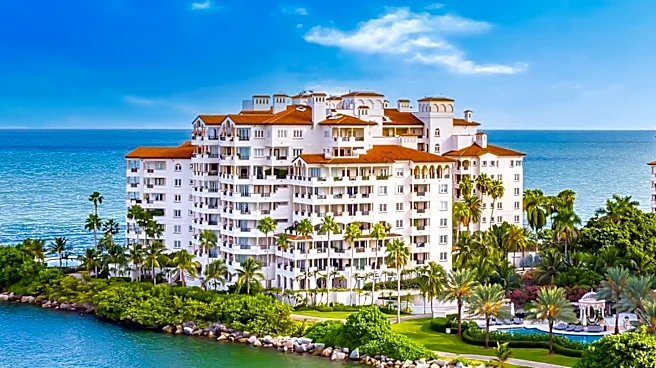
The Naples, Florida, real estate market for waterfront properties is complex, with many listings broadly categorized as 'waterfront' despite significant differences in location and access. A specialized buyer's guide emphasizes that the type of water access—whether
Gulf-front, bayfront, or canal with or without bridge access—is a primary determinant of value and suitability for a buyer's needs, rather than just the house itself. Properties with bridge-free access to the Gulf of Mexico command a premium, selling for approximately one-third more per square foot than those behind a fixed bridge. The guide outlines critical considerations for buyers, including water position, route to the Gulf, dock and seawall inspections, elevation, wind mitigation, and insurance. It also highlights the importance of understanding condominium regulations and the actual sales prices of comparable properties, as asking prices often exceed final sale values.
Why It's Important?
This detailed approach to buying waterfront property in Naples is crucial for protecting buyers from significant financial pitfalls and ensuring their investment aligns with their lifestyle needs. Misinterpreting 'waterfront' can lead to purchasing a property unsuitable for a specific boat size or with hidden costs related to seawall repairs, flood insurance, or limited Gulf access. The emphasis on professional inspections for docks and seawalls, which are often overlooked in standard home inspections, can save buyers hundreds of thousands of dollars in potential repairs. Furthermore, understanding the nuances of flood zones and wind mitigation reports directly impacts insurance costs, a substantial ongoing expense for waterfront homeowners. This guidance helps maintain market transparency and educates buyers on the true value and long-term implications of their purchase in a high-value, high-risk coastal area.
What's Next?
Prospective buyers in Naples' waterfront market are advised to engage with real estate professionals who specialize in these unique properties. The guide suggests that buyers should clearly define their intended use of the water, including vessel type and preferred activities, before beginning their search. This will allow agents to curate selections that match specific requirements, such as bridge clearance and water depth. The market will likely continue to see a premium for properties offering direct, unimpeded Gulf access, influencing future development and pricing strategies. Buyers should anticipate thorough due diligence, including marine contractor inspections and detailed insurance quotes, as standard practice for any waterfront acquisition in the region.
Beyond the Headlines
The intricacies of the Naples waterfront market reflect broader challenges in coastal real estate, where environmental factors like sea-level rise and storm susceptibility increasingly influence property values and regulatory requirements. The distinction between various types of 'waterfront' highlights a growing need for precise terminology and comprehensive disclosure in real estate transactions, particularly in vulnerable coastal communities. The emphasis on infrastructure like seawalls and docks underscores the ongoing costs and maintenance responsibilities associated with living on the water, which can be substantial and are often not fully appreciated by new buyers. This market also illustrates the tension between development and environmental preservation, as regulations aim to balance economic growth with the protection of natural coastal habitats and community resilience against climate impacts.