



What's Happening?
Studio apartment design principles emphasize creating distinct functional zones within a single open room to enhance livability and reduce clutter. Key strategies include strategically placing the bed, selecting appropriately sized furniture, and utilizing
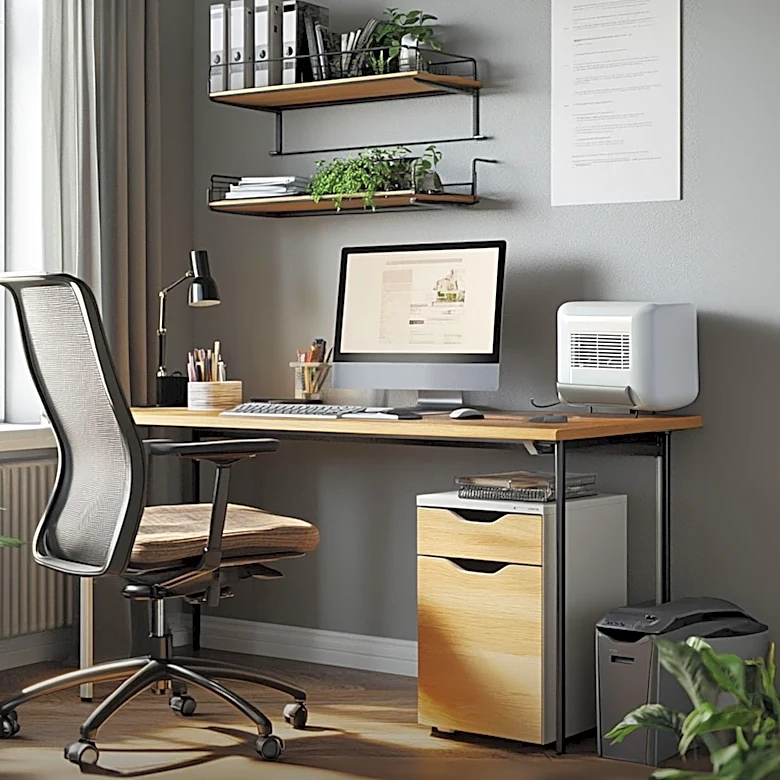
visual room dividers. Experts suggest that instead of viewing a studio as one large space, it should be broken down into areas for sleeping, relaxing, working, eating, and entry. This can be achieved through elements like portable partitions, open bookshelves that allow light to pass through, ceiling-track curtains for privacy, and folding screens for flexibility. Furniture placement also plays a crucial role; for instance, positioning a sofa with its back to the bed can create a natural separation between living and sleeping areas. The goal is to give each activity its own defined territory, making the space feel calmer and more organized without the need for permanent walls.
Why It's Important?
The increasing popularity of studio apartments, particularly in urban areas, makes efficient design crucial for residents' well-being and functionality. Effective studio design can significantly improve the quality of life for individuals living in smaller spaces by transforming a potentially chaotic environment into a well-organized and comfortable home. By implementing zoning techniques and selecting multi-functional furniture, residents can maximize their limited square footage, creating distinct areas for various daily activities. This approach helps combat the feeling of living in a single, undifferentiated space, which can contribute to stress and disorganization. For the real estate market, well-designed studios can command higher appeal and potentially better rental or sale values, as they offer practical solutions to common small-space living challenges, catering to a demographic seeking affordability and urban convenience without sacrificing comfort.
What's Next?
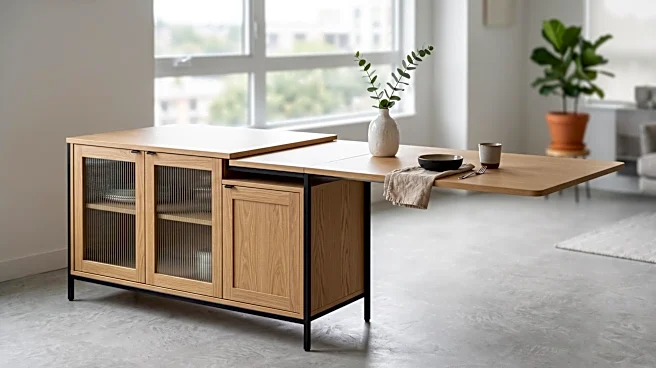
As urban populations continue to grow and housing costs remain high, the demand for efficient and well-designed studio apartments is likely to increase. Future trends in studio design may see further integration of smart home technology to enhance functionality and space-saving solutions, such as automated furniture systems that transform spaces with the touch of a button. Manufacturers and designers are expected to innovate with more modular and customizable furniture pieces that cater specifically to the needs of small-space living. Additionally, there may be a greater emphasis on sustainable and minimalist design principles, encouraging residents to declutter and invest in fewer, higher-quality, multi-purpose items. The evolution of studio apartment design will likely continue to focus on creating adaptable, comfortable, and aesthetically pleasing environments that support modern urban lifestyles.
Beyond the Headlines
Beyond the immediate practical benefits, the emphasis on thoughtful studio apartment design reflects broader societal shifts towards more conscious consumption and efficient use of resources. Living in a well-designed small space can encourage minimalism and a more deliberate approach to possessions, potentially reducing environmental impact. Ethically, good design in compact living spaces can promote mental well-being by providing a sense of order and control, which is vital in often-stressful urban environments. Legally, building codes and zoning regulations may evolve to accommodate innovative small-space solutions, potentially influencing future urban planning and housing development. Culturally, the embrace of studio living as a desirable option, rather than a compromise, signifies a shift in lifestyle values, prioritizing location and experience over sheer square footage, and fostering a community of individuals who value efficiency and intentional living.