



What's Happening?
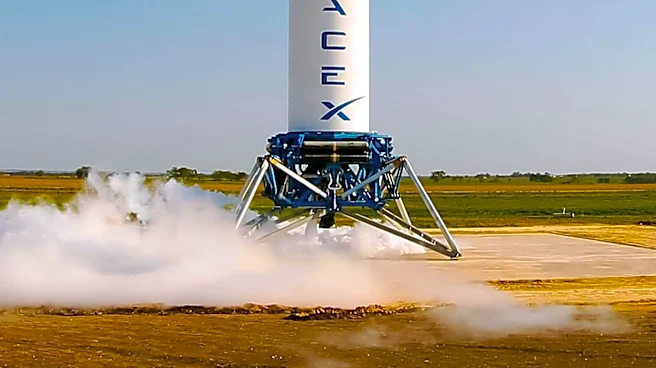
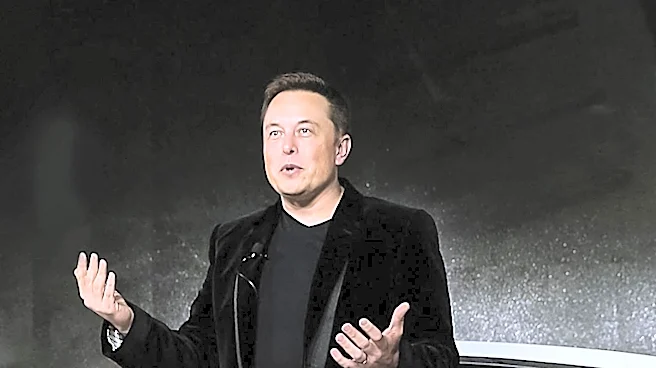
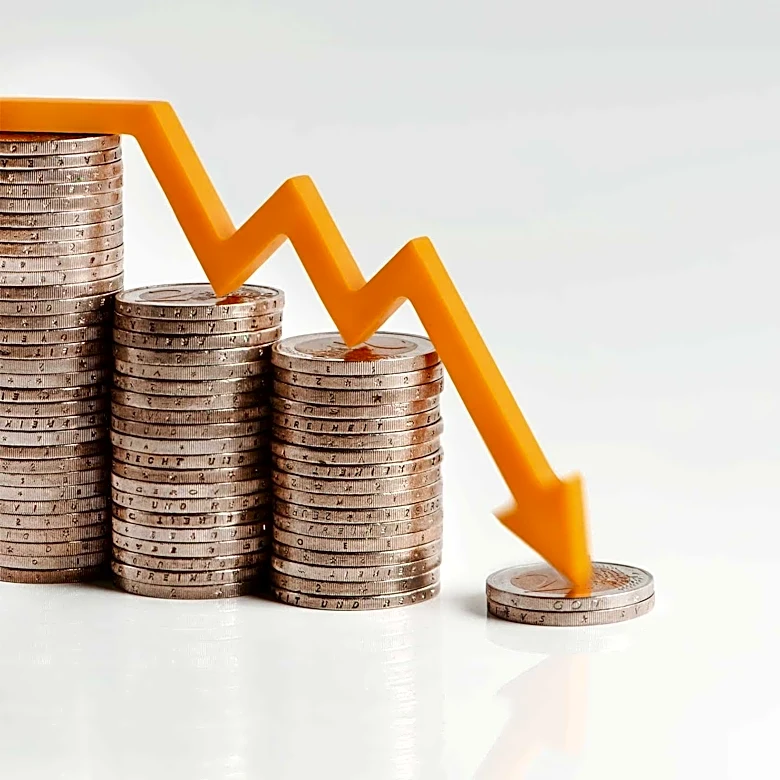
Elon Musk, the world's first trillionaire, has seen his fortune decline significantly, falling to $684 billion from a peak of $1.33 trillion in June. This decline is attributed to a sharp drop in the stock prices of SpaceX and Tesla. SpaceX shares have
fallen 46% since their peak in June, and Tesla shares have decreased by 17% following the release of its second-quarter results. The decline in Tesla's stock is partly due to the company's announcement of $5.8 billion in capital expenditures, marking its first cash-negative quarter in two years. Additionally, SpaceX is facing increased short interest, with a significant number of shares set to be unlocked next month, potentially exerting further downward pressure on its stock price.
Why It's Important?
The decline in Elon Musk's wealth highlights the volatility and risks associated with high-profile tech and space exploration companies. As a major figure in these industries, Musk's financial status can influence investor confidence and market dynamics. The drop in SpaceX and Tesla shares could impact stakeholders, including investors and employees, and may affect the companies' future investment and expansion plans. The situation underscores the challenges faced by companies heavily reliant on market perceptions and the broader economic environment. It also raises questions about the sustainability of high capital expenditures in the face of fluctuating market conditions.
What's Next?
SpaceX is set to report its quarterly earnings for the first time as a public company next week, which could provide further insights into its financial health and future prospects. The unlocking of a large number of shares next month may lead to increased market activity and volatility. Tesla's plans to introduce new products, such as Optimus humanoid robots and autonomous Cybercabs, could influence its stock performance and investor sentiment. The company's continued focus on AI and capital expenditures will be closely watched by analysts and investors, as these factors could shape its long-term growth trajectory.