




What's Happening?
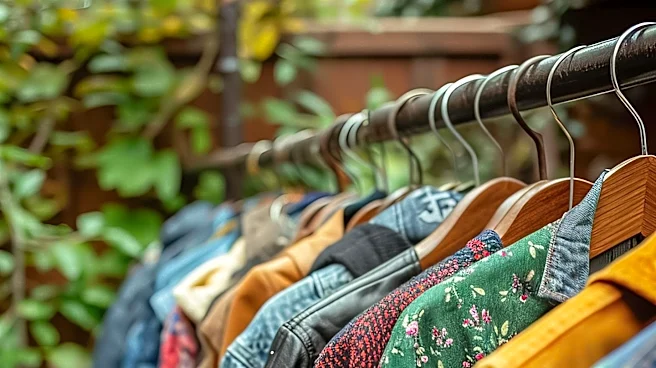
The U.S. is experiencing a 'golden age of thrifting' driven by baby boomers downsizing their homes, according to experts like antiques dealer Virginia Chamlee. As this generation, the wealthiest in modern history, moves into smaller residences, a significant
volume of accumulated possessions is entering estate sales, thrift stores, and donation centers. These items often include durable, well-made goods from when they were originally purchased, as well as valuable inherited pieces like midcentury modern furniture and collectible items. Real estate specialist Cindy Raney notes a 'wave of Baby Boomer downsizing,' with clients moving from large family homes to smaller options, leading to decades of furniture, antiques, china, and art flooding the secondary market. This influx provides a unique opportunity for shoppers to acquire high-quality vintage items that were built to last, contrasting with much of today's mass-produced goods.
Why It's Important?
This trend has significant implications for both consumers and the retail landscape. For consumers, it means increased access to durable, high-quality goods at potentially lower prices, offering an alternative to new, often less robust, products. Designers and thrifting experts are advising shoppers to look for specific items such as solid wood furniture with dovetail joinery, oversized artwork, substantial marble or travertine pieces, and genuine sterling silver, which are now more readily available. The phenomenon also highlights a generational shift in consumer preferences; while older generations valued formal dining sets and bulky wood pieces, younger buyers often seek different aesthetics, leading to these items being sold off. This shift can also support more sustainable consumption patterns by extending the life cycle of goods, reducing demand for new manufacturing, and lessening waste.
What's Next?
The 'golden age of thrifting' is expected to continue as more baby boomers downsize, ensuring a steady supply of vintage and antique items on the secondary market. Shoppers can anticipate continued opportunities to find valuable pieces, though they may need to develop an eye for quality and potential. Experts recommend looking beyond an item's original purpose, such as repurposing old TV cabinets into storage solutions. The challenge for sellers will be adapting to younger generations' decorating tastes, as items like formal dining room furniture may not fetch the prices owners expect. This ongoing trend could further normalize secondhand shopping and potentially influence design trends, encouraging a blend of vintage and modern aesthetics in home decor.
Beyond the Headlines
Beyond the immediate economic and consumer impacts, this thrifting boom touches on broader societal and environmental themes. It underscores a growing awareness of sustainability and circular fashion, as consumers increasingly seek to reduce their environmental footprint by choosing pre-owned items. The availability of well-crafted, older pieces also highlights a contrast with the 'fast furniture' culture, prompting discussions about product longevity and manufacturing quality. Ethically, it raises questions about the accessibility of affordable goods, as the increased popularity of thrifting, while beneficial for sustainability, could inadvertently drive up prices at traditional thrift stores, potentially impacting low-income shoppers who rely on these establishments for necessities. This dynamic creates a complex interplay between environmental consciousness, economic opportunity, and social equity.