




What's Happening?
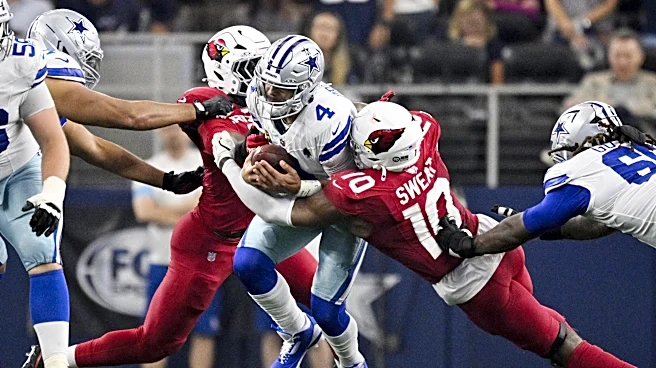
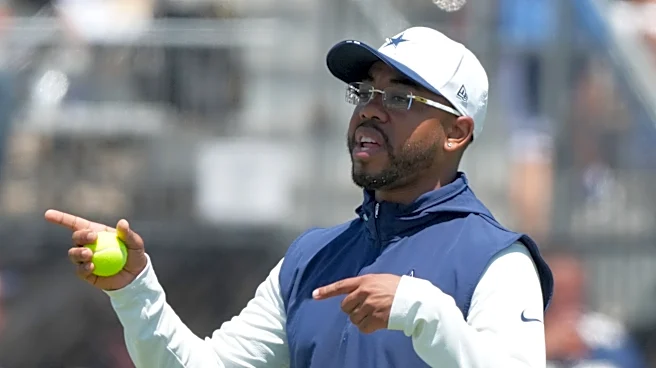
Dallas Cowboys head coach Brian Schottenheimer has taken responsibility for the team's execution issues following their 3-5 start to the 2026 season. In a postgame statement after a 33-30 overtime loss to the Arizona Cardinals, Schottenheimer stated,
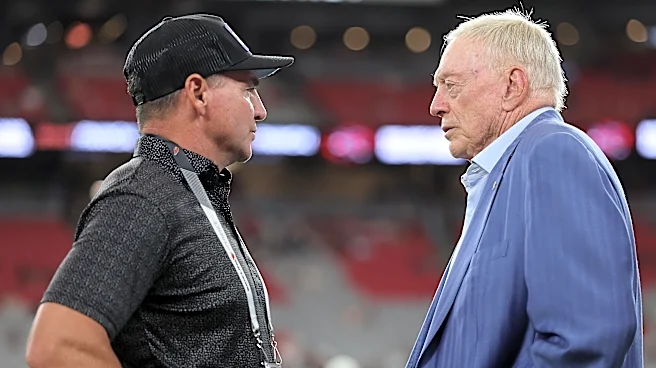
"It's not an effort issue. It's an execution issue. That starts with me as the head coach." The Cowboys blew a 14-point fourth-quarter lead against the Cardinals, marking the largest blown fourth-quarter lead in franchise history and the first time an NFL team this season lost after holding such an advantage. The team's win probability reached 98.3% with 3:24 remaining, according to ESPN Analytics, before the collapse. This follows a 7-9-1 record in the 2025 season where the defense allowed an average of 30.1 points per game. Despite the struggles, Cowboys owner Jerry Jones has publicly stated that a coaching change is not on his mind, placing responsibility on the entire organization rather than solely on Schottenheimer. Quarterback Dak Prescott also defended his coach, emphasizing shared responsibility among players and staff.
Why It's Important?
The performance of the Dallas Cowboys under Brian Schottenheimer carries significant implications for the franchise, its fan base, and the broader NFL landscape. The Cowboys are one of the most valuable sports franchises globally, and their on-field success directly impacts revenue, merchandise sales, and media engagement. A struggling team can lead to decreased fan morale and potential financial repercussions for stakeholders. Jerry Jones's decision to retain Schottenheimer despite the team's poor record and historical late-game collapses signals a commitment to stability, but it also places immense pressure on the coaching staff to deliver results quickly. The team's inability to close out games, as evidenced by the Arizona loss, highlights fundamental issues in execution and potentially game management. This situation could affect player confidence and the team's ability to attract top talent in the future if the perception of instability or underperformance persists. The NFC East remains within reach, but the shrinking margin for error means every game carries heightened importance for the team's playoff aspirations.
What's Next?
The Dallas Cowboys face continued pressure to improve their performance as they navigate the remainder of their nine-game schedule. The immediate focus will be on addressing the execution flaws that have plagued the team, particularly in late-game situations. Head coach Brian Schottenheimer will need to demonstrate tangible improvements in team discipline and strategic adjustments to justify owner Jerry Jones's continued confidence. Potential reactions from major stakeholders include increased scrutiny from media and fans, especially if the team continues to falter. While Jones has dismissed the idea of a mid-season coaching change, sustained poor performance could force a re-evaluation at the end of the season. The team's upcoming games will be critical in determining their trajectory and whether they can salvage their season and contend for the NFC East title. The unity emphasized by players like Dak Prescott will be tested as they aim to reverse their current course.
Beyond the Headlines
Beyond the immediate win-loss record, the situation with the Dallas Cowboys and Brian Schottenheimer touches upon deeper aspects of NFL team management and coaching philosophy. Jerry Jones's defense of his coaching hires and his assertion that there is "zero correlation between how much you pay a coach or how many coaches you have (on staff) as to winning" challenges conventional wisdom in professional sports. This stance suggests a belief in internal development and a unique approach to team building, which could have long-term implications for how the Cowboys operate. The repeated late-game collapses also raise questions about the team's mental fortitude and leadership under pressure, aspects that extend beyond tactical execution. The ongoing narrative surrounding the Cowboys' struggles, despite significant investment in talent, highlights the complex interplay of coaching, player performance, and organizational culture in achieving sustained success in the NFL. This situation could influence future coaching hires and management strategies across the league, particularly regarding the value placed on experience versus potential.