






What's Happening?
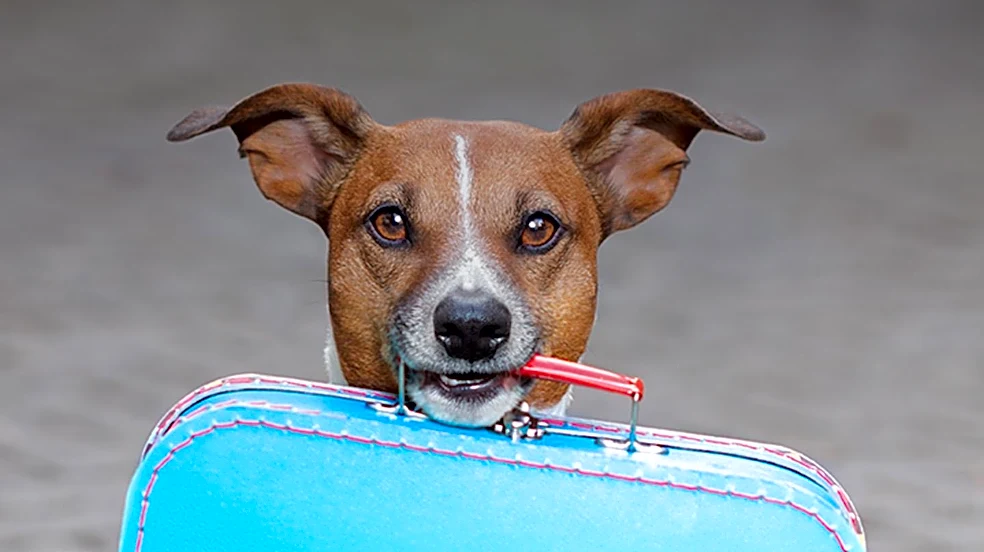
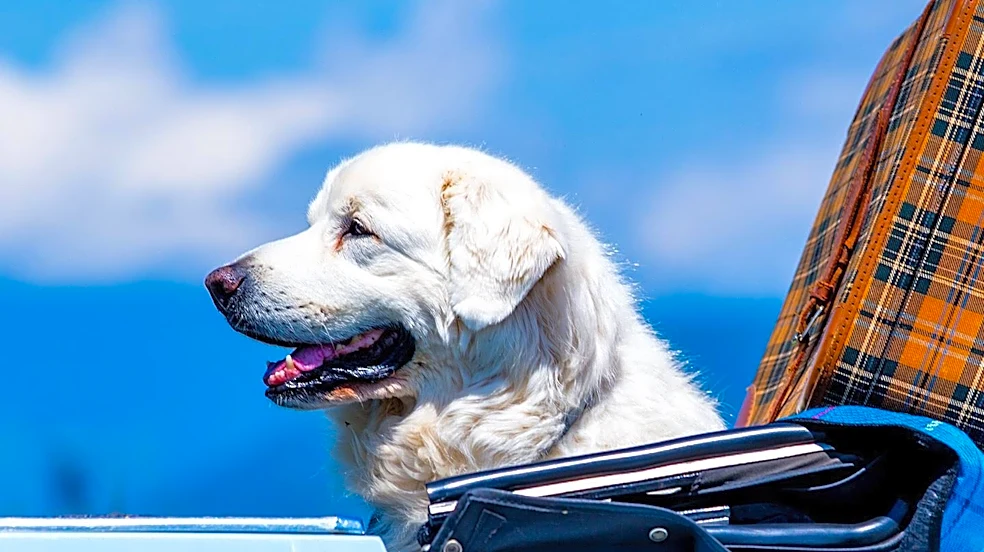
A new survey commissioned by Subaru and conducted by Talker Research among 2,000 American drivers and pet owners indicates that pets are increasingly dictating travel decisions and vehicle preferences in the U.S. The research shows that 73% of respondents
are more likely to drive than fly to accommodate their pets, and 68% stated their animals would influence their holiday travel plans this year. Furthermore, 45% of those surveyed have declined travel opportunities that could not include their pets. This trend extends to vehicle choices, with 32% prioritizing space for pets, passengers, and luggage, 29% valuing good visibility for monitoring animals, and 27% desiring easy-to-clean seats and cargo areas. Cargo space for pet accessories was important to 26% of respondents, rising to 35% among hybrid and electric vehicle drivers. Younger generations, specifically Gen Z and millennials, are leading this trend, with approximately 75% and 70% respectively having taken their pets on a road trip in the last five years, compared to 58% of Gen X and 40% of baby boomers.
Why It's Important?
This shift in consumer behavior has significant implications for the automotive and travel industries in the U.S. Automakers may need to increasingly consider pet-friendly features, such as spacious interiors, washable surfaces, and flexible cargo areas, as key selling points to attract a growing segment of the market. The preference for driving over flying due to pets could also impact the airline industry, potentially leading to a decrease in domestic air travel for pet owners and an increase in demand for road trip-related services. The survey highlights a substantial market opportunity for businesses that cater to pet-inclusive travel, from pet-friendly accommodations to specialized travel accessories. The willingness of nearly half of pet owners to forgo travel opportunities that exclude their pets underscores the depth of this influence, suggesting that businesses failing to adapt may miss out on a considerable customer base. This trend also reflects a broader societal change in how pets are viewed, moving from mere companions to integral family members whose needs are prioritized in major life decisions, including travel.
What's Next?
Automakers are likely to respond by integrating more pet-friendly design elements into future vehicle models, potentially leading to innovations in interior materials, cargo management systems, and safety features tailored for animal passengers. The travel industry, including hotels, rental car companies, and tourism boards, may further expand and promote pet-inclusive services and destinations to capitalize on this growing market. We can anticipate an increase in marketing campaigns highlighting pet-friendly travel options and amenities. Additionally, as younger generations continue to prioritize pet-inclusive lifestyles, this trend is expected to strengthen, potentially influencing urban planning and infrastructure development to better accommodate pets in public spaces and transportation. Businesses that proactively address the needs of pet owners in their offerings are poised to gain a competitive advantage in the evolving U.S. consumer landscape.
Beyond the Headlines
The increasing influence of pets on travel and purchasing decisions reflects a deeper cultural shift in the U.S. regarding the human-animal bond. Pets are no longer just animals; they are considered family members, and their well-being and inclusion are paramount for many owners. This shift has ethical implications, as it encourages more responsible pet ownership and consideration for animal welfare in various contexts. Legally, this could lead to increased demand for clearer regulations and standards for pet travel, accommodation, and safety across different states and industries. Socially, it fosters a more inclusive environment for pets, potentially leading to more pet-friendly public spaces and community initiatives. Economically, the 'Pawprint Economy' is a burgeoning sector, driving innovation and creating new markets for products and services ranging from specialized pet travel gear to pet-sitting services for those trips where pets cannot accompany their owners. This trend underscores a growing recognition of the emotional and psychological benefits pets provide, influencing how individuals structure their lives and leisure activities.