





What's Happening?
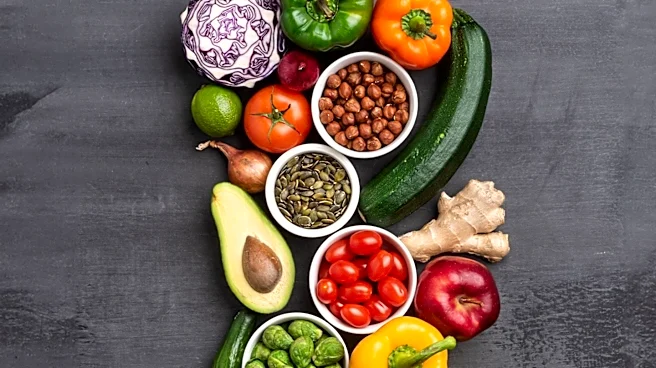
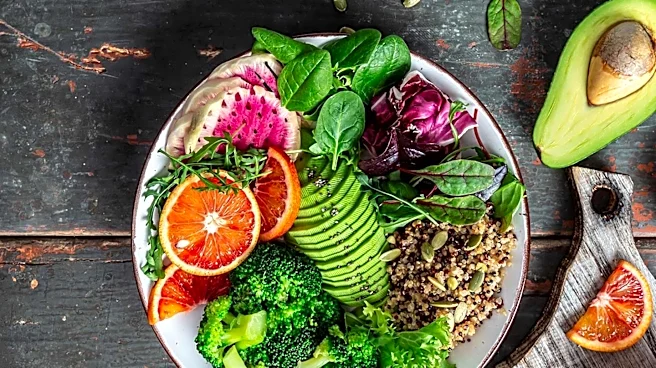
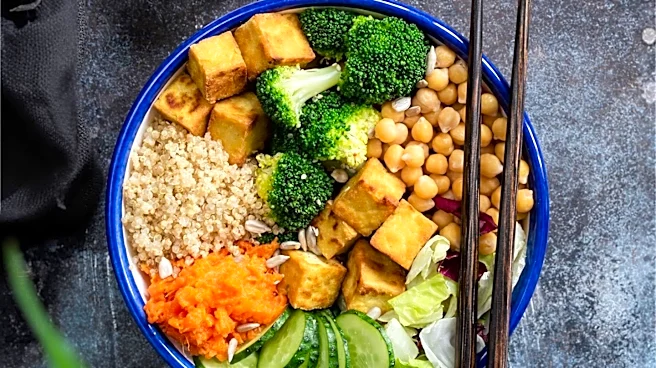
Clean eating is a dietary approach that prioritizes whole, minimally processed foods, including fruits, vegetables, lean proteins, whole grains, and healthy fats. This philosophy has emerged as a significant component of a broader wellness movement, shifting
the focus of healthy eating from restrictive dieting to a sustainable lifestyle choice. Unlike many fad diets, clean eating encourages individuals to understand the rationale behind their food choices, promoting aspects such as sustainable agriculture, nutrition research, and food safety. It also highlights the importance of balanced meals, maintaining stable energy levels, and preserving muscle mass, which is particularly beneficial for individuals facing hormonal and metabolic challenges like Polycystic Ovary Syndrome (PCOS). The movement encourages a deeper connection between personal health, local agriculture, and environmental responsibility, moving beyond simple calorie counting to a more holistic view of nutrition.
Why It's Important?
The emphasis on clean eating signifies a notable shift in the U.S. approach to health and wellness, moving away from short-term diet trends towards long-term lifestyle changes. This trend impacts the food industry by increasing demand for organic, locally sourced, and minimally processed products, potentially boosting sectors involved in sustainable agriculture and natural food production. For consumers, it promotes a more informed relationship with food, encouraging them to consider not just the nutritional content but also the origin and processing of their meals. This can lead to improved public health outcomes by fostering better eating habits and reducing reliance on highly processed foods. However, it also presents challenges, as the concept of 'clean eating' can sometimes be misinterpreted, potentially leading to overeating if calorie density is not considered, or fostering an unhealthy obsession with food purity. The focus on understanding individual nutritional needs, especially for conditions like PCOS, underscores the importance of personalized dietary advice over generic diet plans.
What's Next?
The trajectory of clean eating suggests a continued integration into mainstream dietary recommendations and product development. We can anticipate further innovation in the food industry to meet the demand for clean-label products, including more transparent sourcing, fewer artificial ingredients, and increased availability of whole food options. Educational initiatives are likely to expand, focusing on the principles of clean eating, sustainable food practices, and the importance of balanced nutrition tailored to individual health needs. Healthcare professionals and dietitians may increasingly incorporate clean eating principles into their guidance, particularly for managing metabolic conditions. There will also likely be ongoing discussions and research into the psychological aspects of clean eating, ensuring that the focus remains on health and well-being rather than restrictive or obsessive behaviors. The movement will continue to influence public policy discussions around food labeling, agricultural practices, and nutritional guidelines.
Beyond the Headlines
Beyond its immediate dietary implications, clean eating reflects a deeper cultural shift towards conscious consumption and a holistic view of well-being. It intertwines personal health with broader ethical and environmental considerations, such as the impact of food production on the planet and the support for local economies. This movement challenges the traditional industrial food system by advocating for transparency and sustainability, potentially leading to long-term changes in how food is produced, distributed, and consumed in the U.S. It also highlights the evolving understanding of nutrition, moving past simplistic calorie-in, calorie-out models to recognize the complex interplay of food quality, hormonal balance, and metabolic health. The emphasis on 'why we eat' rather than just 'what we eat' encourages a more mindful approach to food, fostering a greater connection between individuals and their food sources, and promoting a more sustainable and health-conscious society.