



What's Happening?
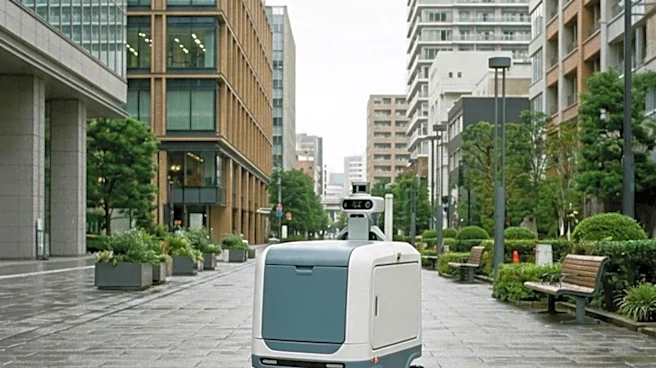
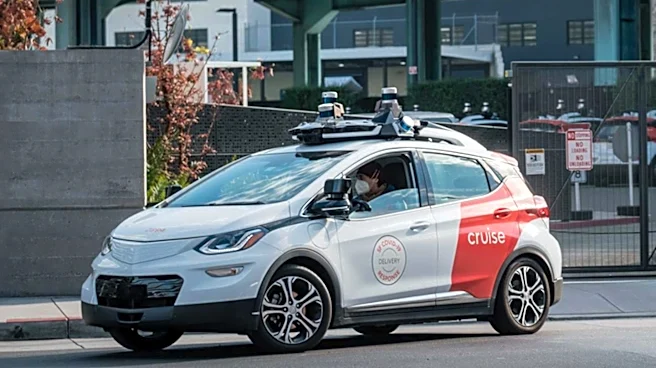
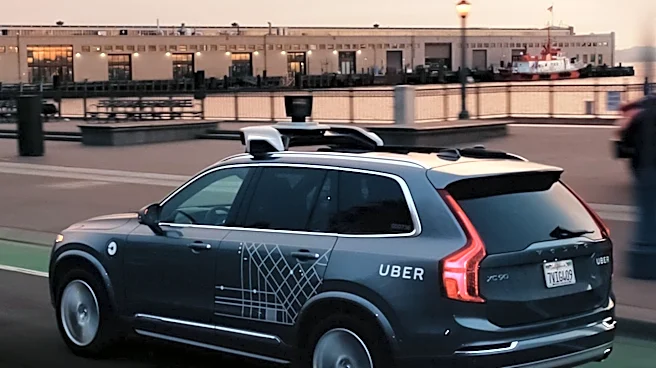
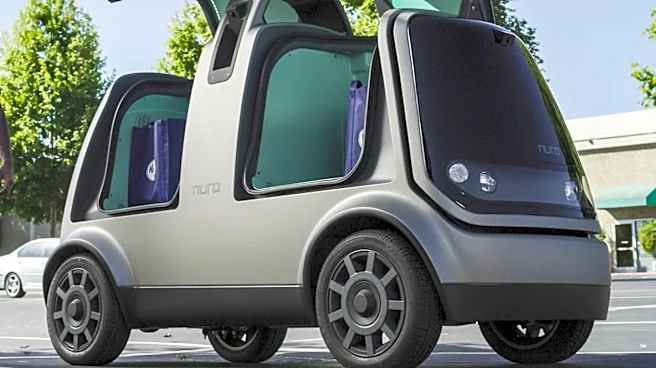
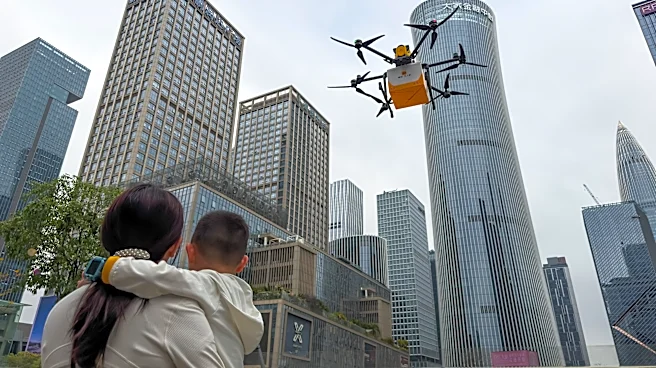
Metropolis Technologies is actively seeking a Senior Manager, Future Mobility BD & Strategy. This role is designed to expand the company's portfolio of over 4,500 parking locations to support autonomous vehicle hubs, drone delivery nests, robot delivery stations,
and eVTOL vertiports. The selected individual will be responsible for sourcing, structuring, and negotiating new partnerships within the future mobility sector. This involves aligning various internal teams, including Legal, Risk, Operations, Corporate Development, Corporate Strategy, Sales, and Finance, to ensure successful and valuable collaborations. The role also entails evaluating and selecting suitable locations from Metropolis's existing network, leading retrofit projects, and building strong relationships with partners and property owners. The Senior Manager will act as a crucial link between external partners, asset owners, and internal operational teams, aiming to drive significant long-term growth for Metropolis Technologies in the evolving mobility landscape. The company emphasizes an office-first model, requiring employees to be on-site at least four days a week to foster collaboration and innovation.
Why It's Important?
This strategic hire by Metropolis Technologies underscores the growing integration of parking infrastructure with advanced mobility solutions. As autonomous vehicles, drones, and eVTOL aircraft become more prevalent, the need for dedicated operational hubs and charging stations will increase significantly. Metropolis's initiative to adapt its extensive parking network for these future mobility partners positions it as a key enabler in the smart city ecosystem. This move could accelerate the deployment and operational efficiency of autonomous fleets and delivery services by providing essential physical infrastructure. For the broader U.S. market, this development signifies a shift in how urban spaces are utilized and managed, potentially leading to new revenue streams for real estate owners and enhanced logistical capabilities for mobility companies. The success of such partnerships could also influence urban planning and infrastructure development, pushing for more integrated and technologically advanced urban environments. The role's focus on long-term growth highlights the company's commitment to being a central player in the future of transportation.
What's Next?
The immediate next step for Metropolis Technologies is to successfully recruit a qualified Senior Manager for Future Mobility BD & Strategy. Once this position is filled, the company will likely accelerate its efforts in forging new partnerships with autonomous vehicle, drone, and eVTOL operators. This will involve detailed evaluations of existing parking locations for suitability, planning and executing necessary retrofits, and establishing operational protocols for these new mobility hubs. We can anticipate increased announcements of collaborations between Metropolis and various future mobility companies as these partnerships materialize. Furthermore, the company's focus on an office-first model suggests a strong emphasis on internal collaboration to drive these initiatives forward. The insights gained from these early partnerships will likely inform Metropolis's long-term strategy for expanding its role in the mobility sector, potentially leading to further investments in technology and infrastructure to support these emerging transportation modes.
Beyond the Headlines
This development by Metropolis Technologies points to a broader trend of convergence between traditional infrastructure and cutting-edge technology. The transformation of parking lots into multi-modal hubs for autonomous vehicles, drones, and eVTOLs represents a significant evolution in urban logistics and real estate utilization. This shift could have profound implications for urban planning, potentially reducing traffic congestion and optimizing delivery services by creating dedicated, efficient operational points. Ethically, the integration of autonomous systems into urban infrastructure raises questions about data privacy, security, and equitable access to these advanced services. Legally, new frameworks may be required to govern the operation of these hubs, including regulations for drone landing zones and autonomous vehicle charging. Culturally, the widespread adoption of such infrastructure could alter daily routines, making on-demand autonomous services more commonplace and reshaping public perception of urban mobility. This move by Metropolis is not just about parking; it's about laying the groundwork for a fundamentally different urban experience.