




What's Happening?
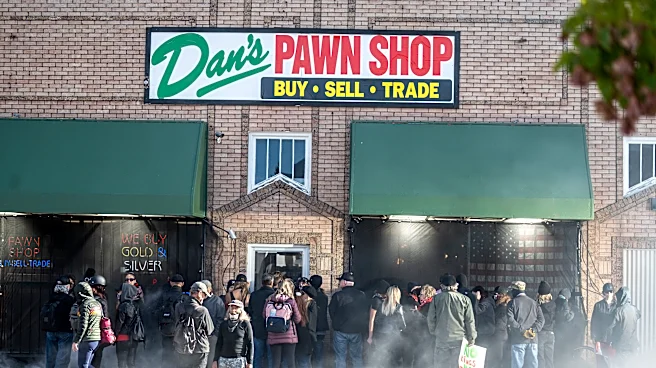
The Livingston City Commission in Montana has unanimously voted to allow the film 'Pawn Shop' to continue shooting within city limits, reversing a temporary pause on its permit. The decision followed a nearly seven-hour public meeting where residents
expressed significant concerns about the film's content, which reportedly features a conservative, tough-on-immigration narrative, and the production's impact on the community. Opponents cited issues with inadequate public notification, the use of armed security guards, and disruptions to local businesses and a food pantry. Producers, including Dallas Sonnier and Amanda Presmyk, argued that the permit should be honored based on lawful compliance, not approval of the story, and pledged to adhere to permit regulations, including maintaining access to the food pantry and reining in security activities.
Why It's Important?
This event highlights the tension between artistic freedom, economic development, and community well-being in small towns hosting film productions. The controversy over 'Pawn Shop' reflects broader national debates on immigration and culture wars, as the film's themes have been a point of contention. The dispute also exposes the challenges local governments face when existing regulations are insufficient to address the complexities of modern film production, particularly concerning public safety, community notification, and the conduct of private security. The economic benefits of film production, often touted by proponents, are weighed against the social and logistical disruptions experienced by residents and local businesses, raising questions about equitable distribution of benefits and burdens.
What's Next?
Filming for 'Pawn Shop' is expected to resume and conclude as scheduled. The Livingston City Commission plans to review and potentially update its film permit regulations to better address community concerns and prevent similar issues in the future. This incident may lead to increased scrutiny of film permits in other small towns, prompting more comprehensive guidelines for public notification, security protocols, and community engagement. The debate also underscores the ongoing discussion about the role of local government in balancing economic opportunities with the preservation of community character and safety, particularly when dealing with projects that touch upon sensitive social and political themes.
Beyond the Headlines
The 'Pawn Shop' controversy in Livingston delves into the deeper implications of how media production can intersect with local community values and political discourse. The film's content, described as an 'over-the-top action flick' with conservative tropes, has ignited a debate about the responsibility of filmmakers and the potential for art to provoke social unrest. The use of armed private security and the perceived intimidation tactics raise questions about the privatization of public space and the boundaries of authority. This situation could serve as a case study for how communities navigate the complexities of hosting productions that are not only economic ventures but also cultural statements, potentially influencing how future film projects are vetted and integrated into local environments.