



What's Happening?
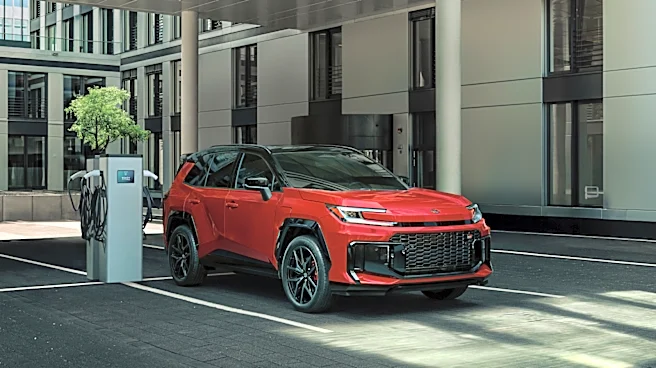
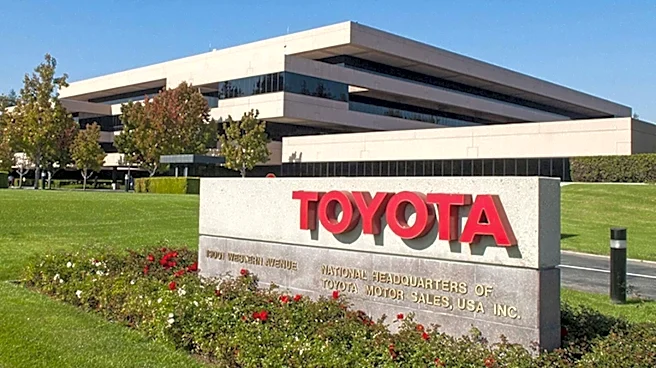
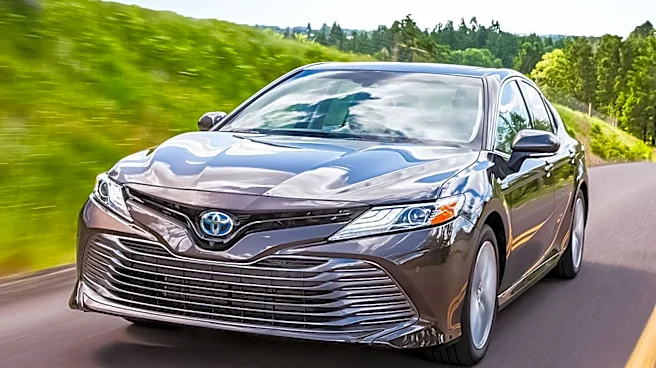
Toyota Motor Sales U.S.A. and Toyota Motor Engineering & Manufacturing North America are facing a proposed class action lawsuit regarding an improperly tightened inverter bolt in certain 2025 and 2026 Camry Hybrids and 2026 Corolla Cross Hybrids. The
lawsuit was filed by Michael Jaffe, who alleges that Toyota knew about the defect before he purchased his 2026 Camry. This issue led to a federal recall of 55,405 vehicles, as a loose bolt could disrupt the electrical connection, potentially causing a loss of power or an electrical short and fire. Jaffe claims his new Camry was held at a dealership for months while repairs were developed and completed, leading to a loss of use and enjoyment, and a reduction in vehicle value, despite Toyota providing loaner vehicles. Toyota has filed a motion to dismiss the case, arguing that Jaffe has not suffered a compensable injury since his vehicle was repaired at no cost and he received free transportation. The judge has not yet ruled on Toyota's motion, and no class has been certified.
Why It's Important?
This lawsuit highlights a significant debate within the automotive industry and consumer rights: whether a free recall repair and complimentary loaner vehicle fully compensate an owner for the inconvenience and potential diminished value of a new car that spends months in a dealership for repairs. Toyota's stance is that these measures make the owner whole, while the plaintiff argues that the experience of owning a new car encompasses more than just having alternative transportation. The outcome of this case could set a precedent for how automotive manufacturers handle recalls and customer compensation in similar situations. It could influence future class action lawsuits related to vehicle defects and the perceived value of a new car, potentially impacting consumer expectations and manufacturer liabilities across the U.S. automotive market.
What's Next?
The immediate next step in this legal proceeding is the judge's decision on Toyota's motion to dismiss the proposed class action. If the motion is denied, the case will likely proceed towards potential class certification, which would allow other affected vehicle owners to join the lawsuit. Should the class be certified, the litigation could become a more substantial legal challenge for Toyota, potentially leading to a settlement or a trial. The resolution of this case will be closely watched by both consumers and the automotive industry, as it could redefine the scope of compensation for vehicle owners impacted by recalls, even when repairs and loaners are provided. The legal arguments will focus on whether the 'loss of use and enjoyment' and 'reduced value' claims hold merit despite the manufacturer's efforts to mitigate direct costs to the consumer.
Beyond the Headlines
Beyond the immediate legal implications, this case touches upon the broader consumer perception of product quality and brand trust in the automotive sector. Even with free repairs and loaner vehicles, the experience of a new car requiring extensive, immediate repairs can erode consumer confidence in a brand. This lawsuit could prompt manufacturers to re-evaluate their pre-delivery inspection processes and quality control measures to prevent such issues from reaching consumers. Furthermore, it raises questions about the long-term resale value of vehicles that have undergone significant recalls shortly after purchase, regardless of the repair quality. The legal outcome may influence how consumers weigh the risks of purchasing new models and how manufacturers communicate and manage recall situations to maintain customer loyalty and brand reputation in a competitive market.