





What's Happening?
A new observational study conducted by researchers from Binghamton University, published in the Journal of American College Health, has found a significant association between healthy daily habits and increased psychological flexibility and resilience
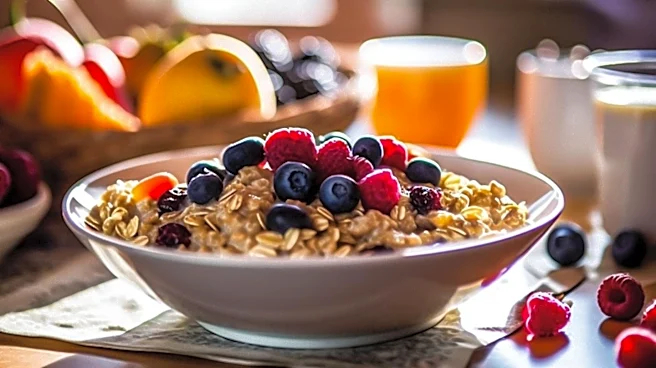
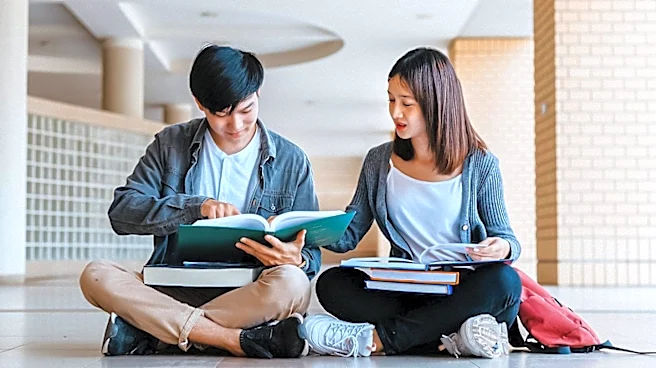
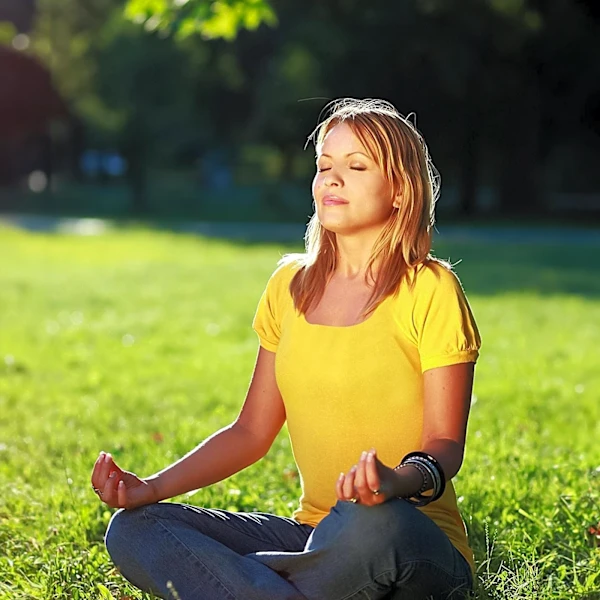
in college students. The study, which surveyed nearly 400 students anonymously, explored the relationship between lifestyle choices such as eating breakfast, getting adequate sleep, and exercising, and their impact on mental well-being. Psychological flexibility, defined as the ability to adapt to challenges and manage stress effectively, was identified as a key mediator between these daily behaviors and emotional resilience. This research highlights how consistent healthy behaviors are linked to lower stress, reduced psychological distress, and improved coping abilities, particularly within the student population. The findings align with existing research that consistently demonstrates connections between healthy behaviors and improved mental resilience or psychological flexibility.
Why It's Important?
This study is important because it underscores the critical role of everyday habits in fostering mental health and resilience among college students, a demographic frequently exposed to stress and rapid changes. The findings suggest that promoting simple, healthy lifestyle choices could be a practical and effective strategy for educational institutions and public health initiatives to support student well-being. By linking behaviors like breakfast consumption, sleep, and exercise directly to psychological flexibility, the research provides a clearer understanding of how these habits contribute to an individual's capacity to navigate adversity. This could lead to the development of targeted interventions and wellness programs aimed at improving students' ability to adapt to academic pressures and life transitions, potentially reducing instances of stress-related mental health issues and enhancing overall academic performance and personal development.
What's Next?
While the current study establishes strong associations, it is observational, meaning it cannot definitively prove causation. Therefore, the next crucial step in this research area involves conducting intervention studies. These studies would aim to determine if directly changing these healthy habits, such as implementing structured breakfast programs, sleep hygiene education, or exercise routines, can lead to a direct improvement in psychological flexibility and resilience among students. Future research should also focus on exploring the underlying mechanisms through which these habits influence mental health and examine diverse student populations to ensure the generalizability of the findings. The insights gained from such studies could inform the creation of evidence-based wellness policies and programs within universities and broader community health initiatives, ultimately fostering a more resilient and mentally healthy student body.
Beyond the Headlines
The study's emphasis on psychological flexibility as a bridge between daily behaviors and emotional resilience offers a deeper insight into mental health beyond just symptom reduction. It suggests that fostering adaptability and flexible thinking through routine healthy habits can equip individuals with a fundamental skill set for lifelong well-being. This perspective moves beyond reactive mental health support to proactive prevention, highlighting the ethical imperative for institutions to create environments that encourage these foundational habits. Culturally, the findings challenge the notion that mental resilience is solely an innate trait, instead positioning it as a capacity that can be cultivated through consistent, intentional actions. This could lead to a societal shift in how mental health is approached, integrating daily lifestyle choices as a core component of mental wellness strategies, and potentially reducing the stigma associated with mental health challenges by framing resilience as an achievable outcome of self-care.