



What's Happening?
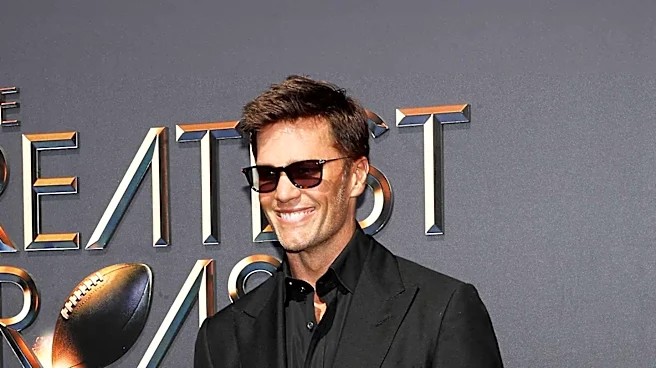
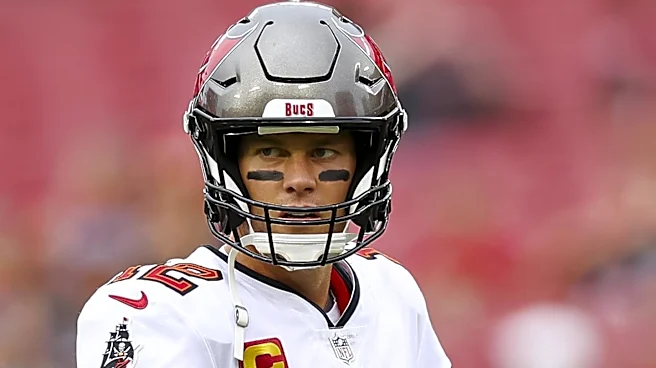
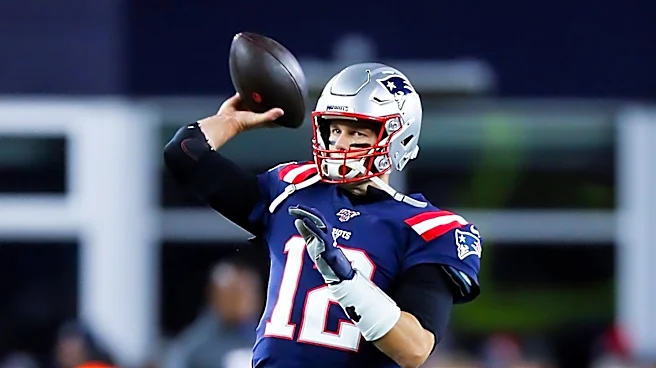
Tom Brady is increasingly establishing himself as a prominent NFL analyst for Fox Sports, demonstrating significant evolution in his broadcasting role. Initially, there was speculation that Brady might not fulfill his 10-year, $375 million contract, with
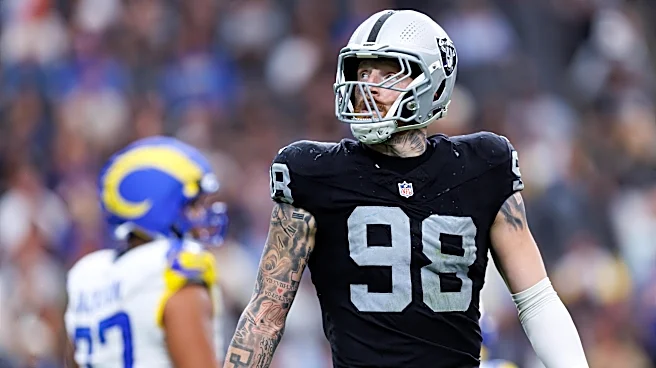
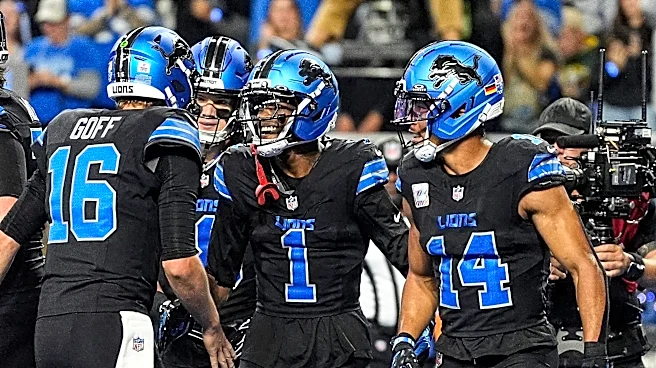
some predicting he would leave to focus on his minority ownership of the Raiders and his production company. However, Brady has since expressed his commitment to completing his contract. A notable development in his broadcasting style occurred during a recent Lions and Packers game, where he openly criticized multiple officiating decisions. This willingness to critique the league's officiating is considered a crucial step for former athletes transitioning into broadcasting. The NFL had previously indicated a concern if Brady were to be 'egregiously critical of officiating or called into question the integrity of an official or the crew,' as reported by Sports Business Journal in 2024. Despite this, viewers largely agreed that Brady's frustration was justified, marking a strong moment in his broadcasting career. His growth is attributed to his competitive drive and the guidance of experienced production personnel like Richie Zyontz and Rich Russo, alongside play-by-play broadcaster Kevin Burkhardt.
Why It's Important?
Tom Brady's evolving role as a sports broadcaster carries significant implications for the NFL's media landscape and the broader sports commentary industry. His willingness to critically assess officiating decisions, a sensitive area for the league, demonstrates a shift towards more candid and potentially influential commentary from high-profile former players. This could set a new precedent for how analysts engage with controversial aspects of the game, potentially encouraging more direct critiques from others. For Fox Sports, Brady's success solidifies their investment in a top-tier analyst, enhancing their NFL coverage and potentially attracting a larger audience drawn to his insights and growing candor. His ability to connect with viewers and offer informed opinions, even when critical of the league, could elevate the standard of sports analysis. Furthermore, Brady's continued presence in the NFL ecosystem, albeit in a different capacity, maintains his influence on the sport, allowing him to shape narratives and discussions around games and league operations. This also impacts how the NFL manages its relationship with broadcasters, especially those with the stature of Brady, as his comments can carry substantial weight and influence public perception.
What's Next?
As Tom Brady continues to refine his broadcasting style, it is anticipated that he will further solidify his position as Fox's lead NFL analyst. Viewers can expect continued improvement in his commentary, potentially leading to more in-depth analyses and candid observations on game dynamics and league operations. His willingness to critique officiating may encourage other former players in broadcasting to be more outspoken, potentially leading to a broader trend of increased critical commentary within sports media. This could prompt the NFL to re-evaluate its guidelines or engagement strategies with broadcasters, especially regarding sensitive topics like officiating. Brady's ongoing presence in the booth will likely continue to draw significant viewership, impacting Fox Sports' ratings and advertising revenue for NFL broadcasts. His success could also influence future hiring decisions in sports media, with networks potentially prioritizing former athletes who demonstrate a similar blend of insight and willingness to offer critical perspectives. Furthermore, his continued involvement in the sport through broadcasting may open doors for other ventures, leveraging his media platform to further his business interests or influence within the sports world.
Beyond the Headlines
Tom Brady's transition into broadcasting extends beyond mere commentary; it represents a fascinating case study in post-athletic career evolution for elite athletes. His initial reluctance or perceived difficulty in adapting to the booth, followed by his current stride, highlights the unique challenges and pressures faced by individuals accustomed to high-stakes competitive environments. The drive that propelled him to unparalleled success as a player now appears to be channeled into mastering a new craft, suggesting a deeper psychological need for competitive engagement and perfection, as noted by biographer Lars Anderson. This journey also touches upon the ethical considerations of former players critiquing the league they once dominated, particularly concerning officiating. The NFL's initial 'threshold' for criticism underscores the delicate balance between maintaining league integrity and fostering authentic, critical analysis. Brady's ability to navigate this, while gaining viewer approval, could redefine the boundaries of acceptable commentary. His evolution also reflects broader cultural shifts in sports media, where audiences increasingly demand unfiltered insights from those who have lived the game, rather than purely promotional narratives. This trend could lead to a more transparent and critically engaged sports media landscape, challenging traditional power dynamics between leagues and broadcasters.