





What's Happening?
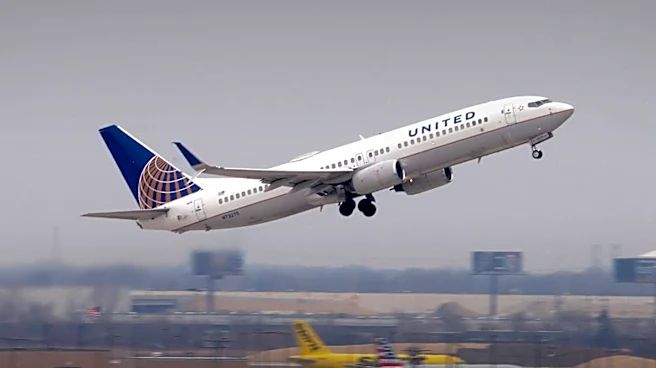
United Airlines has completed the first phase of a significant expansion at its Denver Flight Training Center, a facility that has been operational since 1966. This expansion has added 40 new CAE training devices, including full-motion and fixed flight
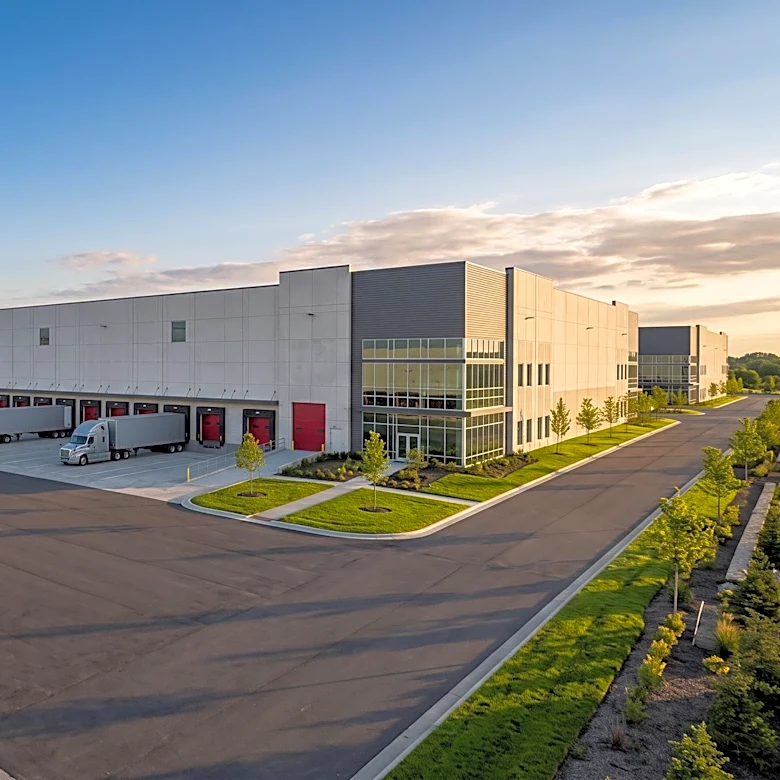
simulators, since 2022. The center now spans nearly 700,000 square feet across eight buildings and houses 86 training devices, comprising 52 full-motion flight simulators and 34 fixed training devices. This allows the facility to train up to 860 pilots daily and conduct over 32,000 training sessions annually. All of United's nearly 18,000 pilots undergo required simulator training at this Denver facility, with newly hired pilots also completing their initial training there. Pilots return every nine months for recurrent training and evaluations. United CEO Scott Kirby highlighted that the simulators provide the most realistic experience possible, preparing pilots for unlikely situations. The airline has invested $370 million in the training center since 2016 and nearly $1 billion at Denver International Airport since 2021, including new gates, United Club locations, and a new check-in lobby. United also plans to break ground on a second training facility near Denver International Airport in 2027, expected to open around 2030.
Why It's Important?
This expansion is crucial for United Airlines as it supports the airline's aggressive growth strategy, United Next, which involves adding 120 airplanes annually. The increased training capacity ensures that the airline can adequately staff its growing fleet with highly trained pilots, addressing the continuous need for new pilots due to retirements and fleet expansion. Denver has become United's fastest-growing hub, with an average of 570 daily departures this summer to over 200 destinations. The substantial investment in the training center and Denver International Airport underscores the city's strategic importance to United's operations and network. This commitment also has a significant economic impact on Denver, with United hiring over 1,400 people last year and planning to hire more than 1,300 in 2026, bringing its local workforce to over 11,400 employees. Furthermore, the training center's operations contribute to the local economy through expenditures like nearly $40 million on Denver hotel rooms for visiting pilots in 2025, projected to approach $50 million in 2026.
What's Next?
United Airlines plans to continue its expansion efforts in Denver, with groundbreaking for a second training facility near Denver International Airport anticipated in 2027. This new facility is expected to become operational around 2030 and will complement the existing center, further increasing United's pilot training capacity. The airline purchased the land for this expansion in 2023, and the Denver City Council approved the rezoning in July, allowing United to proceed with formal site plans. United CEO Scott Kirby also hinted at an upcoming announcement regarding a new international route from Denver, which he described as 'the most exciting' for the entire United network. These developments indicate a sustained focus on growth and operational excellence, with Denver remaining a pivotal hub for United's domestic and international ambitions. The ongoing investment in training infrastructure is essential to support the delivery of hundreds of new aircraft in the coming years.
Beyond the Headlines
The significant investment in pilot training facilities by United Airlines highlights a broader industry trend of airlines proactively addressing potential pilot shortages and ensuring high safety standards. By creating the world's largest pilot training center, United is not only securing its operational future but also setting a benchmark for aviation training. The emphasis on realistic simulator training, which can expose pilots to extreme and unlikely scenarios in a safe environment, underscores a commitment to safety that extends beyond regulatory requirements. This strategic move also reflects the competitive landscape of the airline industry, where maintaining a highly skilled workforce is as crucial as fleet modernization. The decision to expand in Denver, a rapidly growing hub, suggests a long-term vision for regional economic integration and talent development. The continuous cycle of training and evaluation for nearly 18,000 pilots demonstrates the rigorous and ongoing nature of maintaining aviation proficiency, a critical but often unseen aspect of air travel.