





What's Happening?
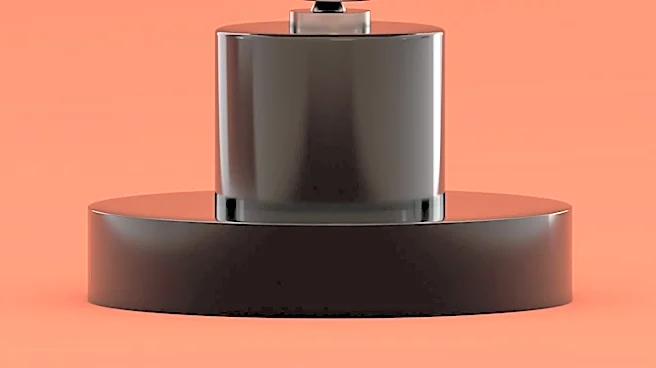
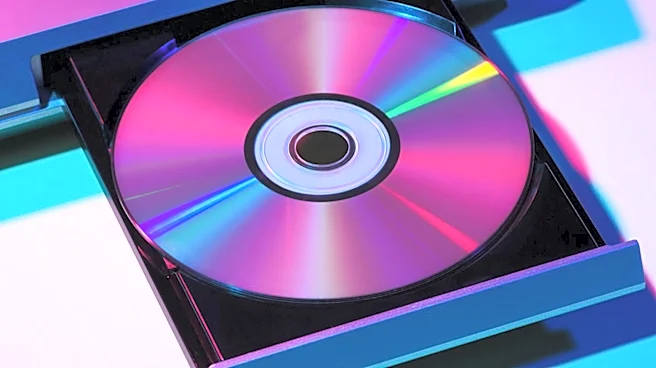
Teenage Engineering has unveiled its first CD player, the EP/BC-1, as the inaugural product in its new Broadcast series. Announced on November 20, the device features a distinctive top-loading design where discs spin openly, reminiscent of a turntable,
above red LED displays and level meters. Measuring 240mm by 176mm and only 16mm tall, it shares a similar footprint with the EP-133 K.O. II sampler and operates on a rechargeable battery for portability. The EP/BC-1 offers advanced performance capabilities, including varispeed functionality that allows for speed adjustments from 50 to 150 percent with time stretch, enabling tempo changes without altering pitch. It also includes three cue markers for saving points within a track and a jog wheel for navigation. A beat detection feature reads the tempo of playing audio and outputs it via a sync output, facilitating synchronization with other EP gear like drum machines or samplers. The player supports audio CDs and MP3 data discs, and offers modern connectivity options such as Bluetooth for wireless audio streaming to headphones or speakers, and Auracast for broadcasting to multiple compatible devices simultaneously. Additionally, it features a USB 2.0 connection for digital audio output to computers and a second USB port for ripping CDs to WAV files onto a flash drive.
Why It's Important?
The introduction of the EP/BC-1 by Teenage Engineering marks a significant development in the audio equipment market, particularly for musicians, DJs, and audio enthusiasts in the U.S. By reimagining the traditional CD player with advanced performance features like varispeed, cue points, and tempo sync, the company is catering to a niche but influential segment that values creative control and unique sound manipulation. The ability to integrate CD playback with modern production setups through sync outputs and digital connectivity opens new avenues for live performances, studio work, and experimental music creation. The inclusion of Bluetooth and Auracast streaming capabilities also broadens its appeal to consumers seeking versatile audio solutions that bridge classic media with contemporary wireless technology. Furthermore, the option to rip CDs to WAV files directly addresses the growing demand for digitizing physical media, allowing users to easily incorporate their existing CD collections into digital sample libraries. This product could stimulate renewed interest in physical media within the U.S. music community, offering a blend of nostalgia and cutting-edge functionality.
What's Next?
Following its announcement, the Teenage Engineering EP/BC-1 is expected to generate considerable interest among audio professionals and hobbyists. Its compatibility with other EP series devices, such as the EP-35 amp, suggests a strategic move by Teenage Engineering to expand its ecosystem of interconnected audio tools. The unique features, particularly the tempo sync and varispeed, are likely to be explored by artists for innovative music production and live sets, potentially leading to new creative applications and workflows. The product's ability to stream via Auracast could also contribute to the adoption of this new broadcast technology in the U.S. market, offering a seamless way to share audio across multiple devices. As the EP/BC-1 becomes available, its reception will likely influence future product development within the Broadcast series and potentially inspire other manufacturers to innovate in the realm of physical media playback with modern performance features. The ease of ripping CDs to WAV files could also encourage more users to digitize their music collections, impacting how physical media is preserved and utilized in the digital age.
Beyond the Headlines
The EP/BC-1's release transcends a mere product launch; it represents a cultural statement about the enduring value of physical media and the potential for innovation within established formats. In an era dominated by digital streaming, Teenage Engineering's decision to reinvent the CD player highlights a counter-trend where tactile interaction and unique sonic manipulation are highly prized. This move could foster a deeper appreciation for the artistic and technical aspects of music playback, moving beyond passive consumption. Ethically, by enabling users to rip CDs to WAV files, the device empowers individuals to take greater control over their music libraries, potentially sparking discussions around digital rights management and personal archiving. The design, which exposes the spinning disc, also adds an aesthetic and performative element, transforming the act of playing a CD into a visual experience. This blend of retro charm with advanced functionality could influence broader design trends in consumer electronics, emphasizing user engagement and a more hands-on approach to technology. The EP/BC-1 challenges the notion that physical media is obsolete, instead positioning it as a platform for creative expression and technological advancement.