



What's Happening?
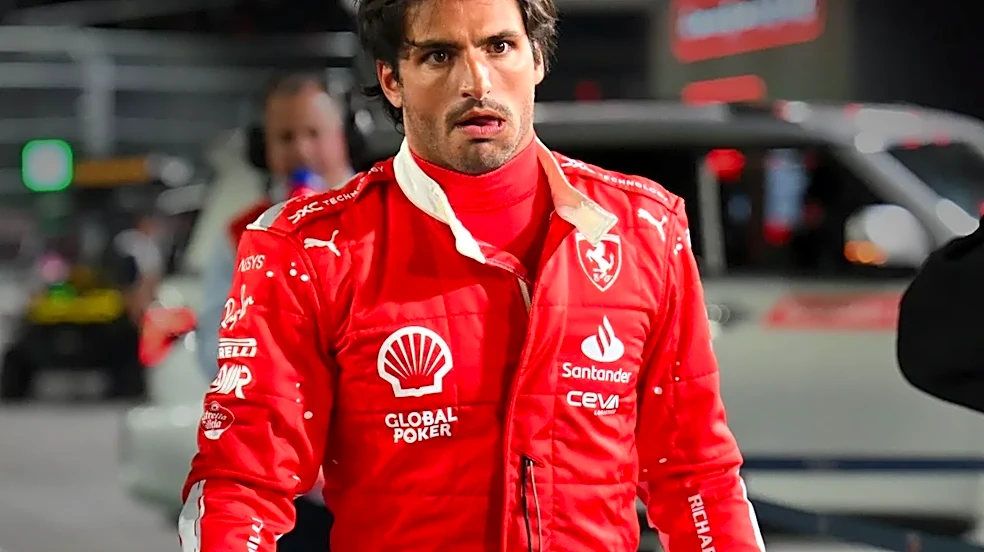
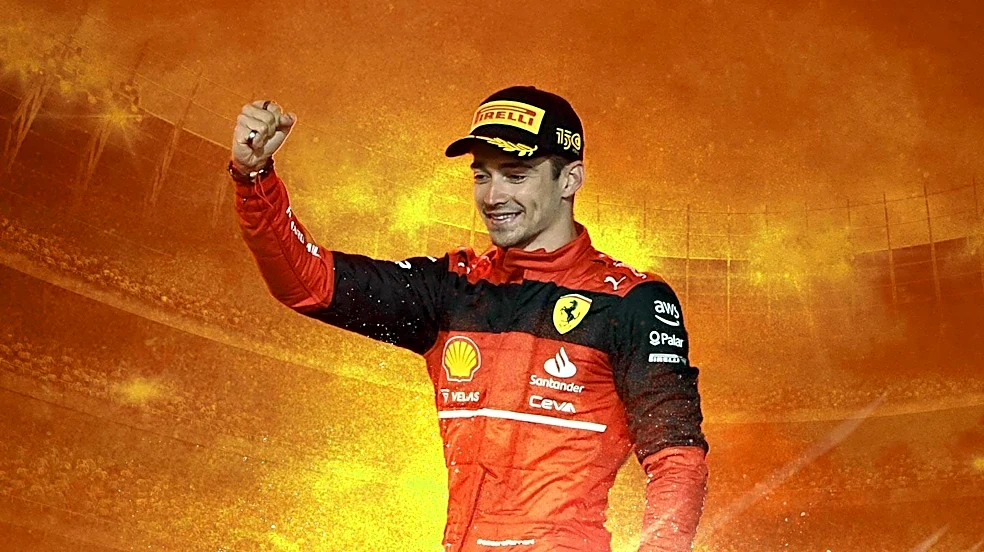
Former Ferrari engineer Luigi Mazzola has stated that while Charles Leclerc possesses undeniable natural talent and speed, his ability to become a true leader for the Ferrari Formula 1 team depends on more than just his driving prowess. Mazzola emphasizes
that Leclerc needs a technical structure that provides optimal conditions for performance and must develop a stronger influence over strategic decisions and race execution. He notes that Leclerc has rarely had a consistently race-winning car throughout his career, making it difficult to fully assess his championship potential. The assessment highlights that leadership in Formula 1 emerges through experience, effective communication with engineers, and the ability to learn from unexpected events, rather than just raw speed. Mazzola believes that Leclerc's challenge is to transform his exceptional pace into comprehensive leadership, particularly in managing complex race situations and contributing to critical decisions.
Why It's Important?
This analysis is important for understanding the dynamics within a top-tier Formula 1 team and the multifaceted requirements for a driver to achieve championship success. It underscores that individual talent, while crucial, is insufficient without a supportive and effective team environment. For Ferrari, a team with a rich history and high expectations, the development of a driver like Leclerc into a leader is paramount for their championship aspirations. The insights from a former engineer like Mazzola highlight the intricate balance between driver input, engineering expertise, and strategic decision-making. The discussion also touches upon the broader implications of reduced testing opportunities in modern F1, which has shifted how drivers gain technical knowledge and influence within their teams. This impacts not only Ferrari but potentially other F1 teams in how they cultivate driver leadership and integrate feedback into car development and race strategy.
What's Next?
For Charles Leclerc, the immediate future will likely involve a continued focus on developing his influence within Ferrari's strategic and technical processes. The team will need to create an environment that encourages his input and allows him to contribute more actively to critical decisions, especially concerning tire choices and race strategy. Ferrari's ongoing efforts to develop the SF-26 and address its weaknesses, such as rear-tire limitations, will be crucial in providing Leclerc with a more competitive car. The relationship between driver feedback and engineering progress will be key as Ferrari prepares for upcoming upgrades. The team's ability to convert strong individual performances into sustained competitiveness will be the ultimate measure of success for both Leclerc and Ferrari. This will involve continuous communication, mutual trust, and a shared responsibility between the driver and the entire team to achieve their championship goals.
Beyond the Headlines
Beyond the immediate competitive implications, Mazzola's assessment delves into the evolving nature of driver leadership in modern Formula 1. The reduction of extensive private testing has fundamentally altered how drivers acquire technical knowledge and build a deep understanding of their cars. This shift places a greater emphasis on simulations, data analysis, and the driver's ability to translate real-time track experience into actionable feedback for engineers. The ethical and cultural dimension lies in how much autonomy and influence a driver should have in an increasingly data-driven sport. While engineers have vast data, the driver remains the sole individual experiencing the car's behavior directly. The challenge is to strike a balance where the driver's unique perspective is valued and integrated into decision-making, rather than being solely dictated by the pit wall. This ongoing evolution impacts the very definition of a 'leader' within a Formula 1 team, moving beyond just on-track performance to encompass strategic and technical collaboration.