







What's Happening?
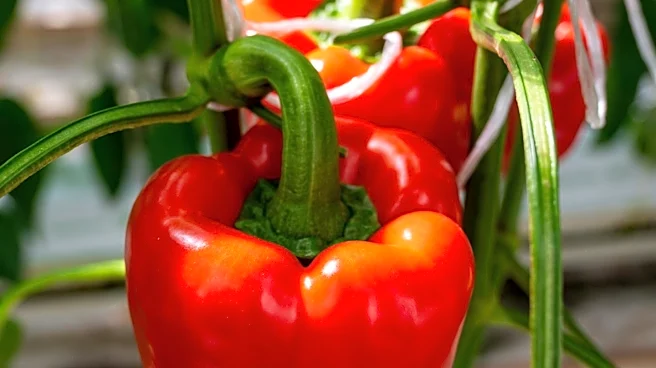
The common perception of different colored bell peppers as distinct varieties is largely inaccurate. Most green bell peppers sold in stores are simply bell peppers that have been harvested before reaching full ripeness. This early harvesting is responsible
for their characteristic grassy, sharper, and more bitter taste, as their natural sugars have not yet fully developed. If left on the plant, these green peppers would continue to mature and eventually change color, becoming sweeter in the process. While bell pepper varieties are specifically bred to produce yellow, orange, and red colors, they all originate as green. The primary distinction among bell pepper colors lies in their flavor profile, which evolves as they ripen. Red bell peppers are generally considered the sweetest, while green ones are the least sweet and often have a crunchier texture.
Why It's Important?
Understanding the ripening process of bell peppers has practical implications for consumers and the food industry. For consumers, knowing that green bell peppers are less ripe and thus less sweet can influence purchasing decisions based on intended culinary use. For instance, a recipe requiring a sweeter flavor might benefit more from red, yellow, or orange bell peppers. This knowledge also highlights the efficiency of agricultural practices, where peppers can be harvested at different stages to cater to diverse market demands for flavor and texture. The ability to interchange different colored bell peppers in cooking, especially when cooked, offers flexibility in meal preparation and reduces food waste by allowing for substitutions based on availability. This insight into produce characteristics can empower consumers to make more informed choices about their ingredients.
What's Next?
As consumers become more aware of the nuances in produce, there may be a continued emphasis on educating the public about the characteristics of different fruits and vegetables. This could lead to more detailed labeling in grocery stores, providing information about the ripeness and flavor profiles of bell peppers. Chefs and home cooks might increasingly tailor their bell pepper choices to specific dishes, leveraging the distinct flavors of green, yellow, orange, and red peppers to enhance their culinary creations. Furthermore, agricultural research may continue to explore breeding new varieties that offer even more diverse color and flavor options, or optimize harvesting techniques to ensure consistent quality and taste across different ripening stages. The trend towards understanding food origins and characteristics is likely to grow, influencing both supply and demand in the produce market.
Beyond the Headlines
The story of bell pepper ripening subtly reflects broader themes in food science and consumer education. It underscores how agricultural practices, such as harvesting time, directly impact the sensory experience of food. The fact that a single plant can yield peppers of varying colors and tastes depending on when they are picked highlights the dynamic nature of plant development and the role of natural processes in shaping our food. This understanding can foster a greater appreciation for the journey of food from farm to table and encourage more mindful consumption. It also touches upon the concept of food waste, as consumers might be more inclined to use different colored peppers interchangeably if they understand their fundamental similarities, rather than discarding a color they perceive as 'wrong' for a dish. This seemingly simple fact about bell peppers contributes to a larger narrative about sustainable eating and informed food choices.