




What's Happening?
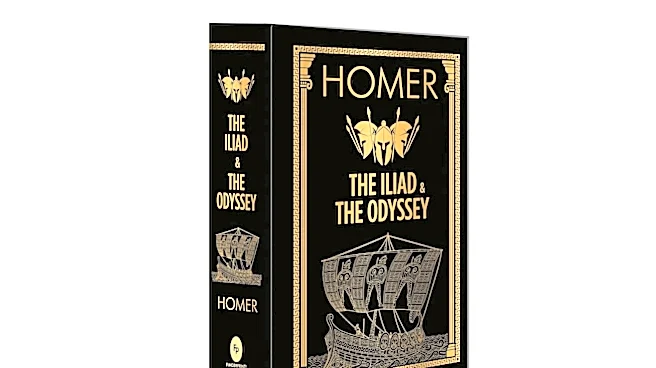
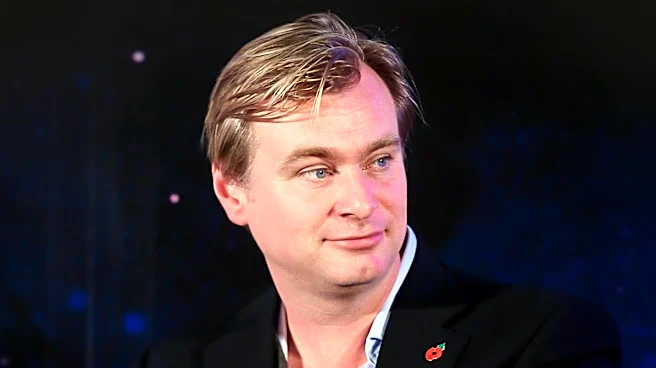
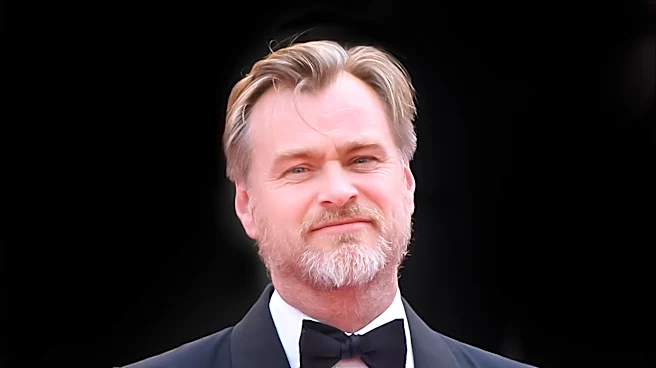
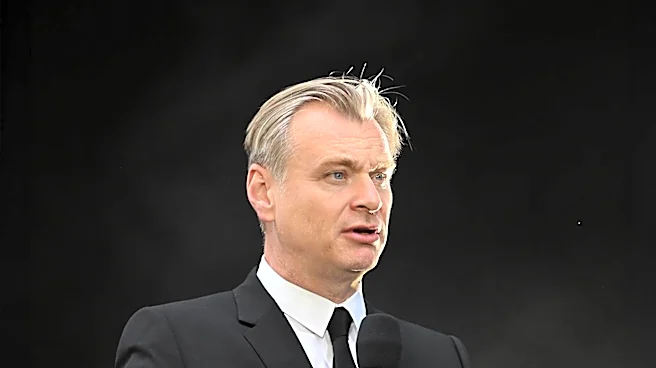
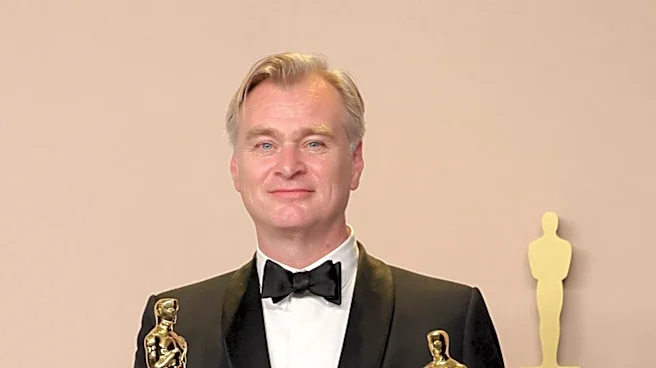
Christopher Nolan's latest film, 'The Odyssey,' is an adaptation of Homer's ancient Greek epic, focusing on Odysseus's journey home after the Trojan War. The film, featuring a star-studded cast including Matt Damon, Tom Holland, and Zendaya, is set to release
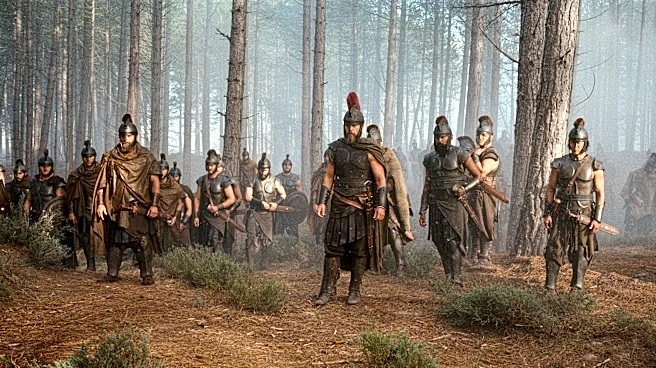
on July 17. Nolan, known for his unique storytelling, has taken creative liberties with the adaptation, opting for modern American accents and an 'earthy narrative' rather than attempting to replicate ancient speech. This decision has sparked discussions about historical authenticity and creative interpretation, with some critics pointing out the modern elements in character designs and dialogue.
Why It's Important?
The release of 'The Odyssey' highlights the ongoing debate about the balance between creative freedom and fidelity to source material in film adaptations. Nolan's approach underscores the challenges filmmakers face when adapting well-known literary works, especially those with a long-standing cultural impact. The film's reception could influence future adaptations of classic literature, potentially encouraging more directors to prioritize cinematic storytelling over strict adherence to historical accuracy. This could impact the film industry by setting new standards for how ancient stories are brought to modern audiences.
What's Next?
As 'The Odyssey' approaches its release date, audiences and critics alike will be watching closely to see how Nolan's interpretation is received. The film's success or failure could shape future projects involving adaptations of classic literature. Additionally, discussions around the film may prompt further exploration of how modern elements can be integrated into historical narratives without losing the essence of the original stories. The reactions from both the public and critics will likely influence how studios approach similar projects in the future.
Beyond the Headlines
Nolan's adaptation raises questions about the role of cultural preservation versus innovation in the arts. By choosing to modernize certain aspects of 'The Odyssey,' Nolan invites viewers to consider how ancient stories can be made relevant to contemporary audiences. This approach may encourage a broader conversation about the importance of storytelling in preserving cultural heritage while also allowing for creative evolution. The film could serve as a case study in how modern cinema can honor the past while appealing to present-day sensibilities.