





What's Happening?
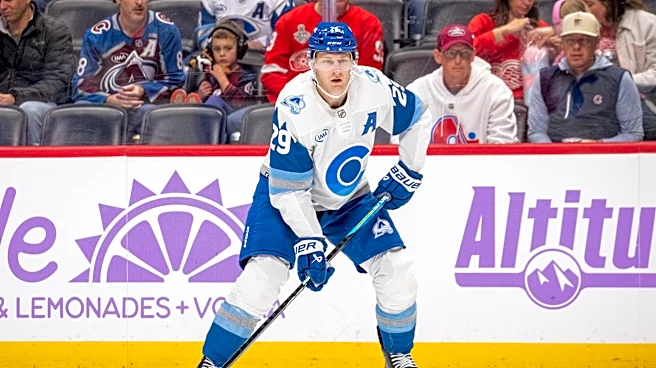
The Colorado Avalanche are confronting a significant roster challenge after star player Nathan MacKinnon's injury was confirmed to be more severe than initially estimated. Head coach Jared Bednar announced on Saturday that MacKinnon is now expected to be sidelined
for 12 weeks, pushing his return from December to February. This extended absence, three times longer than first anticipated, forces the team to reassess its depth and strategy. MacKinnon has been a pivotal player, leading the team with 10 goals, 20 assists, and 30 points in 20 games, averaging 1.5 points per game. In response, the Avalanche have elevated Brock Nelson and Nazem Kadri to the top two center roles. Both players have considerable experience, with Nelson already demonstrating his capability by scoring two goals and an assist in a recent 4-0 shutout against the Anaheim Ducks. Kadri has also been instrumental in stabilizing the second line, but replacing MacKinnon's overall production will require a collective effort from the entire lineup.
Why It's Important?
This development is crucial for the Colorado Avalanche as it directly impacts their performance and strategic planning for the current NHL season. MacKinnon's prolonged absence means the team must sustain high-level play for an extended period without its leading scorer, a task significantly more challenging than managing a short-term setback. The situation forces general manager Joe Sakic to evaluate whether the current roster depth is sufficient to remain competitive or if external acquisitions are necessary. Any decision to bring in new talent would involve trading assets or taking on additional salary, which could have future implications for the team, especially when MacKinnon eventually returns. The performance of Nelson and Kadri in their expanded roles will be under intense scrutiny, as their ability to consistently contribute offensively and defensively against top opposing lines will largely determine the team's success during this critical period. This scenario tests the team's resilience and depth, potentially influencing their standing in the league and their readiness for a playoff run.
What's Next?
The immediate focus for the Colorado Avalanche will be to maintain their competitive edge with their current roster depth. Head coach Jared Bednar will continue to rely on Brock Nelson and Nazem Kadri to lead the offense and handle tougher matchups. The team's performance over the next few weeks will be critical in determining whether general manager Joe Sakic pursues external help. If the Avalanche struggle to consistently win, Sakic may explore trade options for an experienced center, which would involve weighing the cost of acquiring a player against the potential benefits and future roster implications. The challenge lies in balancing immediate needs with preserving resources for a potential Stanley Cup run. The team will also need to ensure that other players step up their production to collectively compensate for MacKinnon's absence. The next few months will be a test of the team's ability to adapt and perform under pressure without their star player.
Beyond the Headlines
MacKinnon's extended injury absence could trigger a broader re-evaluation of player load management and injury prevention strategies within professional sports, particularly in high-impact leagues like the NHL. The decision facing the Avalanche—whether to rely on internal depth or seek external solutions—highlights the constant tension between short-term competitive demands and long-term team building. Over-reliance on a single star player, while often effective, can expose vulnerabilities when that player is sidelined. This situation could also influence future contract negotiations and team construction philosophies, as organizations might prioritize deeper rosters with more distributed talent to mitigate the impact of such injuries. Furthermore, the performance of players like Nelson and Kadri in elevated roles could significantly impact their career trajectories and future contract values, demonstrating the ripple effects of a star player's absence on the entire team dynamic and individual player opportunities.