



What's Happening?
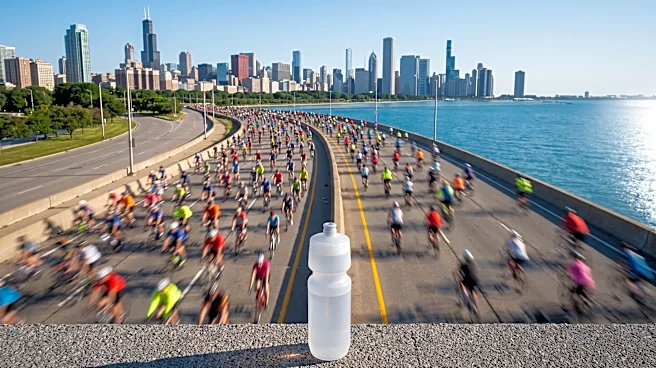
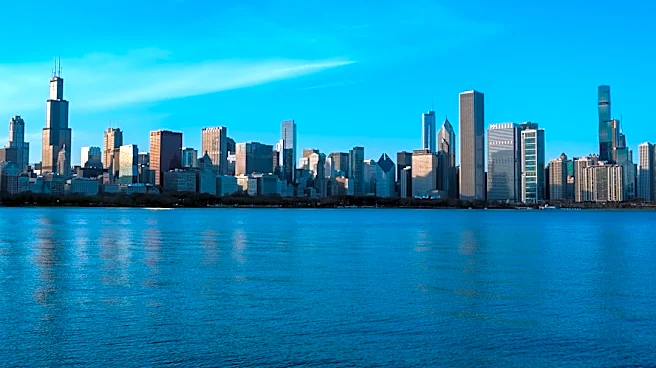
Thousands of cyclists filled Chicago's DuSable Lake Shore Drive on Sunday morning for the annual Bike the Drive event, which temporarily closed a 30-mile loop of the scenic roadway to cars. This year marked the 25th anniversary of the event, which serves
as a fundraiser for the Active Transportation Alliance, a non-profit organization advocating for improved infrastructure for walking, biking, and public transportation in the Chicago area. Approximately 15,500 cyclists participated, ranging from families to experienced riders and city staffers. The route stretched from Hyde Park to Edgewater, offering participants a unique opportunity to experience the iconic drive without vehicular traffic. Clare McDermott, director of events and marketing for the Active Transportation Alliance, emphasized that Bike the Drive allows participants to envision what Chicago's roads could feel like if they were more accommodating for bikers. Activities and refreshments were set up in Grant Park’s Butler Field, serving as a central hub for the event. Car traffic resumed on DuSable Lake Shore Drive starting at 11:30 a.m.
Why It's Important?
Bike the Drive is a significant event for Chicago, highlighting the growing movement towards active transportation and sustainable urban living. By temporarily transforming a major urban artery into a car-free zone, the event visually demonstrates the potential for alternative uses of public infrastructure, sparking conversations about urban planning and the allocation of road space. For the Active Transportation Alliance, it's a crucial fundraiser that supports their advocacy for safer and more accessible biking and walking infrastructure, such as curb-protected bike lanes. The event also serves as a powerful public awareness campaign, showcasing the demand for bike-friendly cities and the health and environmental benefits of cycling. The participation of city officials, including Sean Madison of Lyft Urban Solutions for the Divvy program and Chicago Transit Authority acting president Nora Leerhsen, underscores the city's commitment to promoting cycling. The event's success, with 15,500 participants, reinforces the idea that Chicago is a 'bike city' and has the potential to become a world-class cycling destination, which could attract tourism and improve the quality of life for residents.
What's Next?
The success of Bike the Drive is likely to fuel continued advocacy for enhanced cycling infrastructure in Chicago. The Active Transportation Alliance will continue to push for initiatives like curb-protected bike lanes, which they believe are essential for cyclist safety and preventing accidents. The event's positive reception and high participation numbers could provide momentum for policymakers to consider and implement more bike-friendly urban planning strategies. Discussions around the contentious political issue of bike lanes, such as the recent proposal for Archer Avenue, may be influenced by the demonstrated public enthusiasm for cycling. City officials, including those involved with the Divvy bike-share program, may leverage the event's success to further expand and promote cycling as a viable mode of transportation. The long-term vision is to transform Chicago into a world-class bike destination, which would involve ongoing investment in infrastructure, safety campaigns, and community engagement to support a thriving cycling culture. The event's impact will likely extend to future urban development plans, aiming to integrate cycling more seamlessly into the city's transportation network.
Beyond the Headlines
Beyond the immediate benefits of fundraising and promoting cycling, Bike the Drive touches upon deeper themes of urban identity, public space, and environmental consciousness. The temporary reclamation of a major roadway by cyclists offers a glimpse into a potential future where cities prioritize human-centric design over car-centric infrastructure. This shift can foster a stronger sense of community, encourage healthier lifestyles, and contribute to reduced carbon emissions and improved air quality. The event also highlights the ongoing tension between different modes of transportation and the need for equitable access to urban spaces. The tragic death of Riley O’Neil, a Chicago Department of Transportation employee and cycling advocate, due to a car-door accident, underscores the critical importance of safe cycling infrastructure and the human cost of inadequate protections. Bike the Drive serves as a powerful reminder that urban environments can be reimagined to better serve all residents, promoting a more sustainable, livable, and connected city. The event's legacy will likely be measured not just in funds raised, but in its contribution to a broader cultural shift towards valuing active transportation and green urban spaces.