

What's Happening?
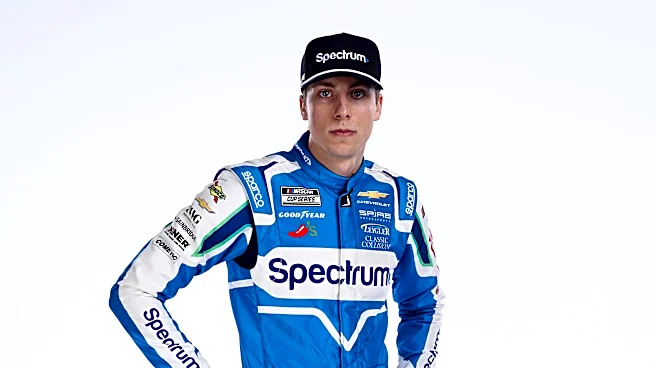
Former NASCAR Cup Series champion Kevin Harvick has publicly accused Spire Motorsports driver Carson Hocevar of repeatedly lying about incidents involving fellow competitors, particularly following Hocevar's suspension from the 2026 NASCAR Cup Series season
finale. Hocevar's suspension stemmed from a controversial run-in with Austin Cindric at Martinsville Speedway. While Hocevar issued a public apology and accepted responsibility for his actions, Harvick expressed skepticism about the sincerity of the apology and Hocevar's overall credibility. Speaking on SPEED, Harvick stated that Hocevar's explanations for on-track incidents are often "bald-faced lies" and not truthful. Harvick, a 60-time Cup Series race winner, supported Spire Motorsports' decision to suspend Hocevar and NASCAR's subsequent fine and points penalty, drawing on his own past experiences with disciplinary actions for aggressive driving.
Why It's Important?
This public accusation from a respected veteran like Kevin Harvick carries significant weight within the NASCAR community. It not only scrutinizes Carson Hocevar's character and integrity but also highlights the importance of honesty and accountability among drivers. Such criticism from a peer can impact a young driver's reputation, potentially affecting future team opportunities, sponsor relationships, and the respect of fellow competitors. The incident underscores the unwritten code of conduct within professional racing, where aggressive driving is often tolerated, but perceived dishonesty can lead to a loss of trust. For NASCAR, maintaining integrity and fair play is crucial for the sport's credibility and fan engagement. Harvick's comments suggest that while Hocevar possesses talent, his judgment and truthfulness are now under scrutiny, which could be a significant hurdle for his career progression.
What's Next?
Carson Hocevar faces a critical offseason to reflect on his actions and Harvick's accusations. His return to the racetrack in 2027 will likely be met with increased scrutiny from both competitors and the media. Hocevar's primary challenge will be to rebuild trust and respect within the NASCAR garage, which may require demonstrating a tangible change in his approach to racing and his interactions with others. His performance and conduct in the upcoming season will be closely watched as he attempts to prove that he has learned from the suspension and the public criticism. The incident could serve as a turning point for Hocevar, forcing him to mature as a driver and a public figure, or it could further entrench a perception of dishonesty that could hinder his long-term career prospects in the sport.
Beyond the Headlines
The exchange between Harvick and Hocevar delves into the ethical dimensions of sportsmanship and public image in professional racing. Beyond the immediate consequences of a suspension, a driver's reputation for honesty can profoundly influence their career trajectory. In a sport where rivalries and aggressive tactics are common, the line between competitive intensity and unsportsmanlike conduct can be blurry. However, accusations of lying cross into a different territory, impacting a driver's perceived integrity. This situation also highlights the role of veteran drivers in policing the sport's unwritten rules and mentoring younger talent, even through criticism. The long-term implication for Hocevar is not just about winning races but about earning the respect of his peers, which is often considered as valuable as on-track success in the close-knit world of NASCAR.