





What's Happening?
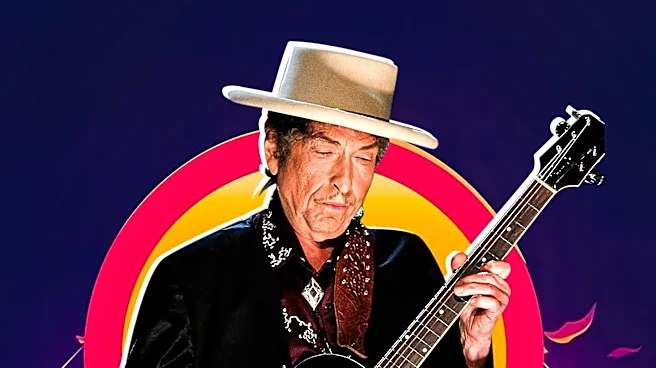
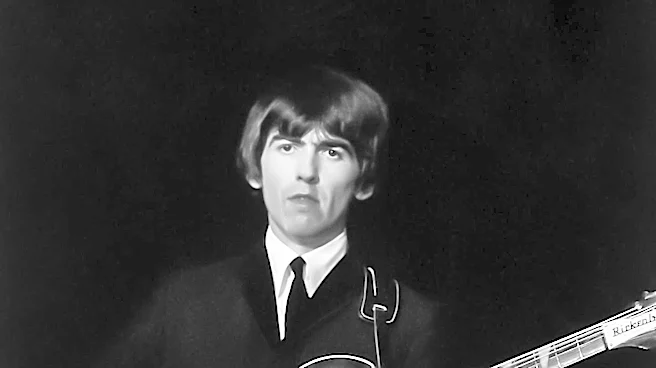
Bob Dylan's 1990 album 'Under The Red Sky' is often regarded as a controversial and less successful entry in his discography. The album, produced by Don Was, featured an impressive lineup of musicians including Bruce Hornsby, David Crosby, George Harrison,
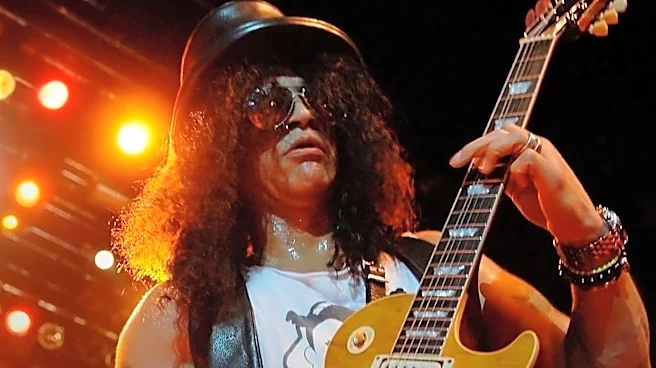
Stevie Ray Vaughn, Slash, Al Kooper, and Elton John. Despite this, the album did not achieve the critical acclaim of Dylan's previous works. Dylan himself later admitted to being disillusioned during the recording process, allowing others to take control while he focused on lyrics. Producer Don Was later expressed regret for trying to steer Dylan back to his mid-60s style instead of encouraging new directions.
Why It's Important?
The album 'Under The Red Sky' highlights the challenges artists face when balancing creative control with external influences. For Dylan, this period marked a struggle to maintain his artistic identity amidst commercial pressures and the expectations of working with high-profile collaborators. The album's reception underscores the difficulty of recapturing past successes and the risks involved in artistic experimentation. This case also illustrates the broader industry dynamics where producers and record labels can significantly impact an artist's creative output, sometimes to the detriment of the artist's vision.
What's Next?
Following the release of 'Under The Red Sky', Bob Dylan entered a period of artistic retrenchment, focusing on folk and blues covers to rejuvenate his creativity. This phase eventually led to a resurgence in his career with the release of 'Time Out Of Mind' in 1997, which reestablished him as a leading figure in music. The experience with 'Under The Red Sky' likely influenced Dylan's future approach to collaboration and production, emphasizing the importance of maintaining creative autonomy.
Beyond the Headlines
The story of 'Under The Red Sky' offers insights into the complexities of artistic collaboration and the pressures of maintaining relevance in a rapidly changing music industry. It also raises questions about the role of producers in shaping an artist's work and the potential conflicts between commercial success and artistic integrity. Dylan's experience serves as a cautionary tale for artists navigating similar challenges, highlighting the need for a balance between innovation and staying true to one's artistic roots.