





What's Happening?
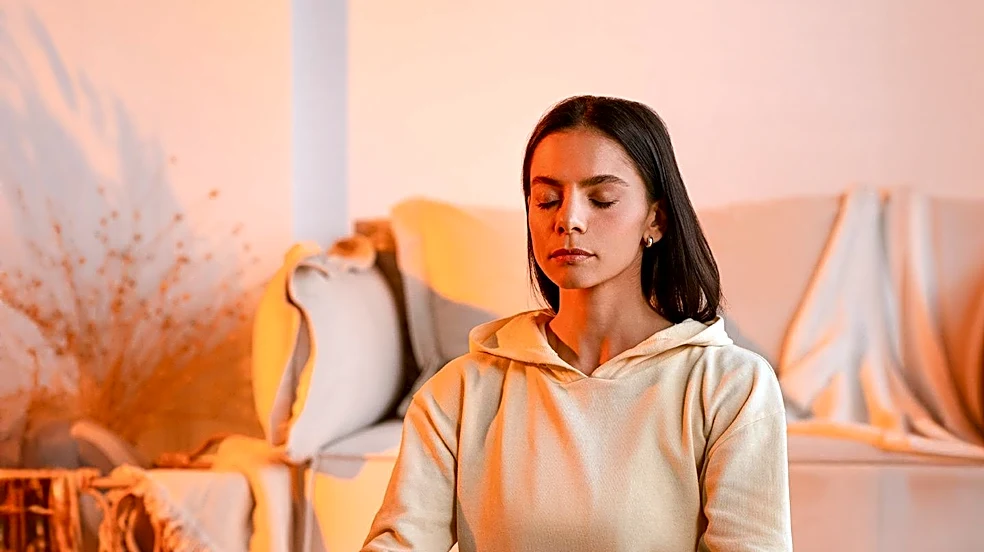
Millennials are approaching exercise with a distinct and regimented perspective, prioritizing holistic fitness goals such as improved sleep and overall health, rather than solely focusing on physical appearance, according to YourTango. Unlike older generations
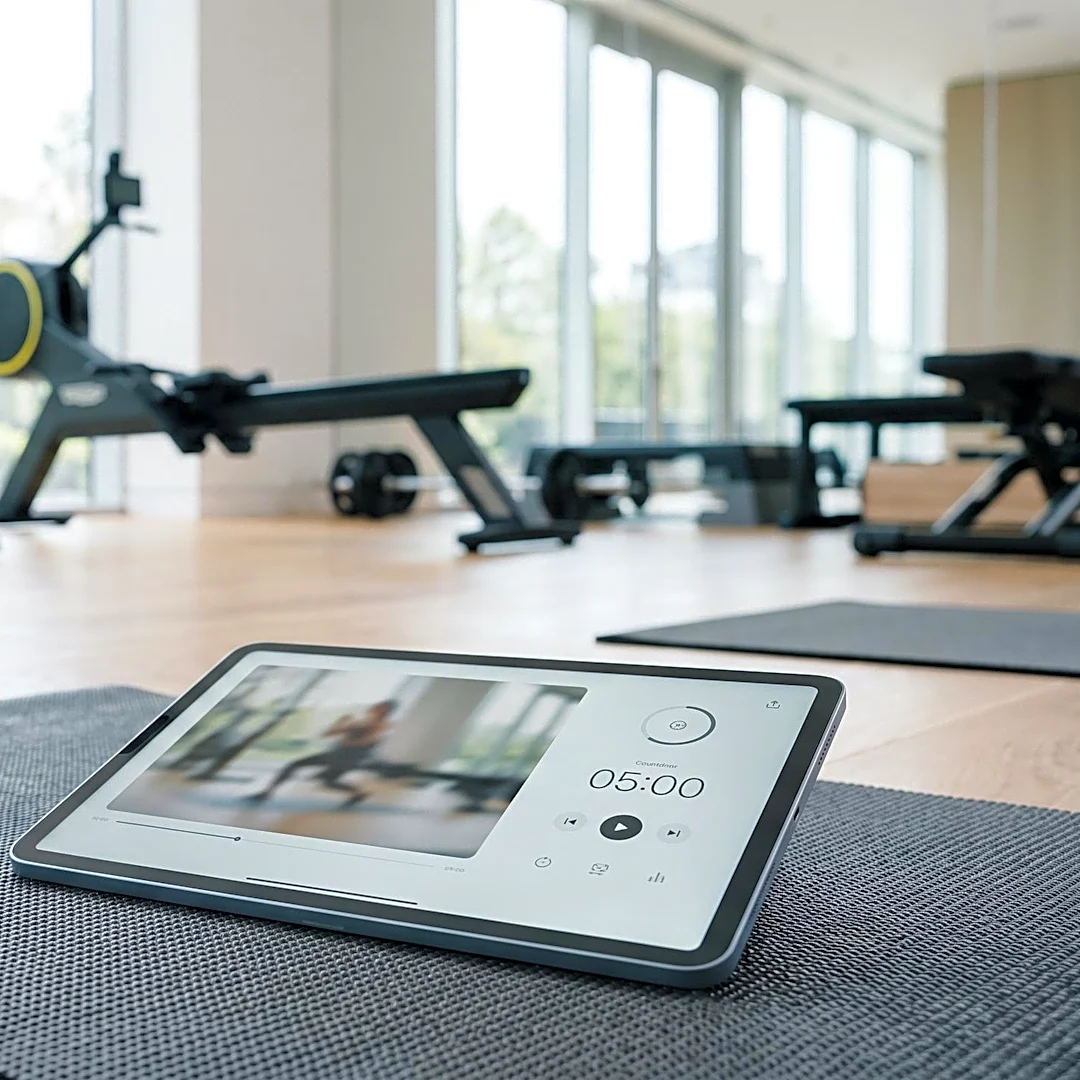
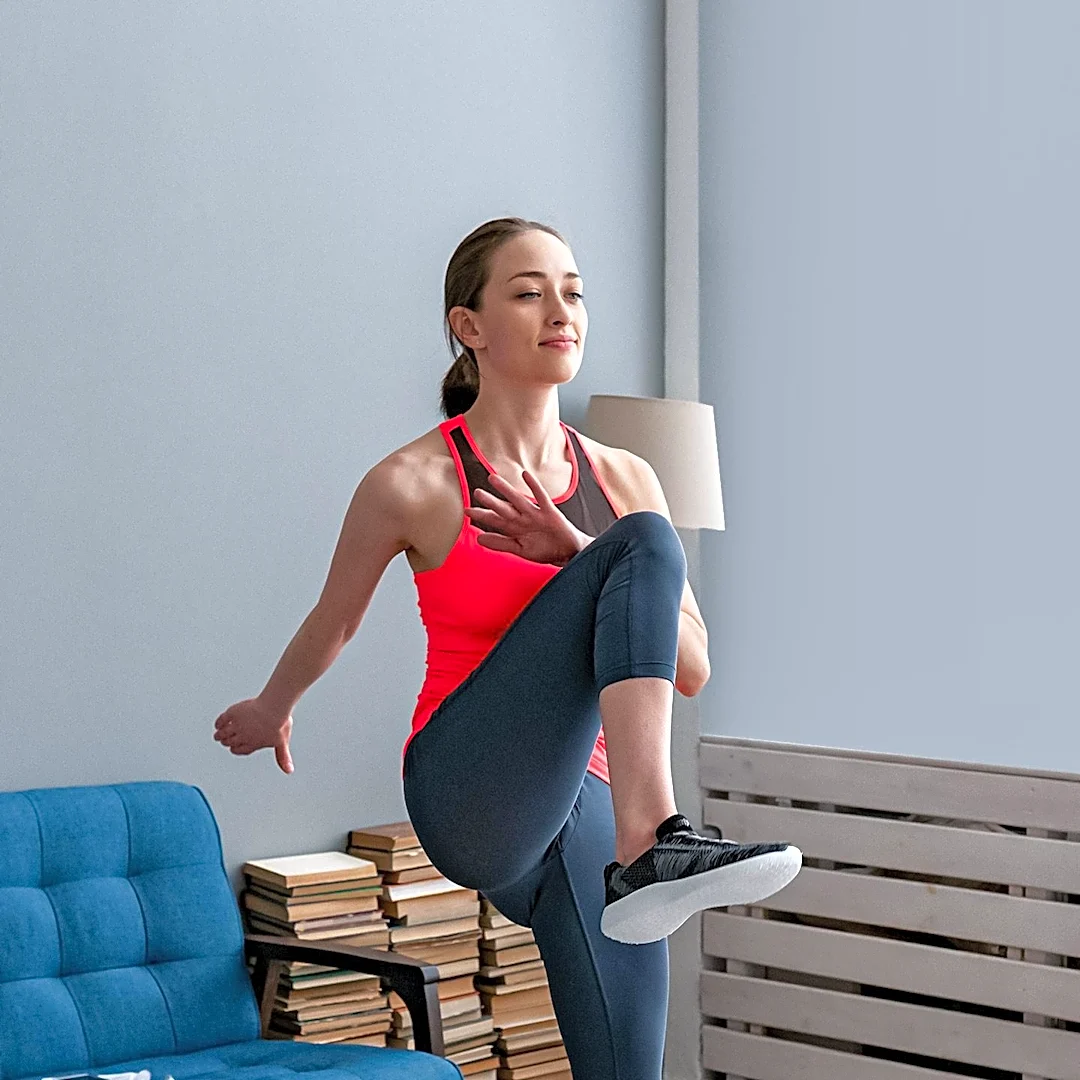
like baby boomers and Gen X, who often consider various physical activities, including household chores, as exercise, millennials maintain a more fixed definition. They are serious about integrating exercise into their daily routines, even if it means working out at home or taking a walk during a lunch break for convenience. This generation is also investing more significantly in health and wellness, including gym memberships and fitness technology. While boomers and Gen X are more relaxed and pragmatic about fitting physical activity into their lives, millennials are committed to a structured exercise regimen, viewing it as a crucial component of their overall well-being.
Why It's Important?
This shift in millennial fitness attitudes has significant implications for the health and wellness industry in the U.S. The emphasis on holistic health and regimented routines drives demand for specialized fitness programs, advanced wearable technology, and health-focused products and services. Businesses that cater to these preferences, such as boutique fitness studios, personalized training apps, and wellness retreats, stand to gain. Conversely, traditional gyms and fitness models that do not adapt to these evolving expectations may struggle to attract and retain millennial customers. The increased investment in health and wellness by this large demographic could also lead to broader public health benefits, potentially reducing healthcare costs in the long run. Furthermore, the millennial approach influences workplace wellness programs, as employees seek environments that support their holistic health goals, impacting corporate benefits and culture.
What's Next?
The trend of millennials prioritizing holistic and regimented exercise is expected to continue shaping the fitness landscape. We may see further innovation in fitness technology, with more integrated solutions that track sleep, stress, and overall well-being alongside physical activity. The demand for flexible and accessible workout options, such as at-home fitness platforms and outdoor activities, will likely grow. Businesses will continue to tailor their marketing and product development to appeal to millennials' desire for comprehensive health benefits beyond just weight loss or muscle gain. This could also lead to a greater emphasis on mental health integration within fitness programs, recognizing the interconnectedness of physical and psychological well-being. As millennials age, their established routines and health investments could set new standards for active aging, influencing how future generations approach fitness and health.
Beyond the Headlines
The millennial approach to exercise reflects a deeper cultural shift towards intentional living and self-care. Their focus on holistic health, including sleep and overall well-being, suggests a response to the pressures of modern life, where stress and burnout are prevalent. This generation's willingness to invest in health and wellness, even amidst financial pressures, indicates a prioritization of long-term health outcomes over immediate gratification. This cultural emphasis on structured self-improvement through fitness could also influence other lifestyle choices, such as diet, mindfulness practices, and work-life balance. The contrast with older generations highlights evolving societal values regarding health responsibility and personal investment. This trend could foster a more health-conscious society overall, but also potentially create new forms of social pressure related to maintaining an 'optimal' lifestyle, driven by the visibility of fitness routines on social media and the pervasive influence of wellness culture.