






What's Happening?
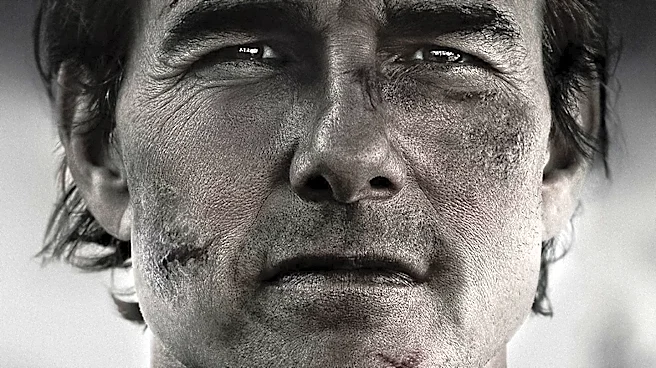
Tom Cruise's 2003 film, 'The Last Samurai,' is experiencing a significant resurgence on HBO Max, climbing to the No. 4 spot on the platform's top 10 movies list in the United States. This renewed interest follows a viral podcast clip from September 8,
where Cruise expressed deep admiration for the movie and the Japanese culture it depicts. He specifically praised the 'Bushido' code and the film's visual storytelling, highlighting the artistry and poetry of the time period. Cruise also drew parallels between the creative risks taken for 'The Last Samurai' and his earlier film 'Days of Thunder,' noting his influence in pushing both unconventional projects forward. The actor emphasized the global appeal of 'The Last Samurai' and acknowledged co-star Ken Watanabe's contribution to its authenticity. The film has maintained a spot on the HBO Max chart for three days, indicating sustained viewer engagement driven by Cruise's recent comments.
Why It's Important?
The renewed popularity of 'The Last Samurai' underscores the significant influence that prominent actors like Tom Cruise can have on a film's longevity and streaming performance, even years after its initial release. This phenomenon demonstrates how celebrity endorsements and personal reflections can reignite public interest, leading to increased viewership and potential revenue for streaming platforms. For the entertainment industry, it highlights the value of catalog content and the potential for older films to find new audiences through contemporary media engagement. This trend also benefits the cultural discourse surrounding films, as actors' insights can provide deeper context and appreciation for their work, potentially influencing how audiences perceive and engage with historical or culturally significant narratives. The film's climb on HBO Max suggests that a well-timed public comment can act as a powerful marketing tool, driving traffic and extending the commercial life of cinematic productions.
What's Next?
The continued presence of 'The Last Samurai' on HBO Max's top charts could lead to further discussions and analyses within the entertainment industry regarding the impact of celebrity commentary on content consumption. Streaming platforms might explore strategies to leverage similar endorsements for other catalog titles, potentially leading to curated collections or themed promotions based on actors' favorite films or behind-the-scenes insights. For Tom Cruise, this resurgence could reinforce his reputation as a tastemaker and a figure whose opinions hold sway with audiences, potentially influencing future project selections or promotional activities. The renewed interest might also spark a broader conversation about the cultural and historical themes presented in 'The Last Samurai,' encouraging viewers to delve deeper into Japanese history and the 'Bushido' code, thereby extending the film's educational and cultural impact beyond its entertainment value.
Beyond the Headlines
Beyond its immediate streaming success, the resurgence of 'The Last Samurai' touches upon deeper implications concerning cultural representation and the enduring power of storytelling. Cruise's praise for the film's depiction of Japanese culture, particularly 'Bushido,' highlights the importance of respectful and artistic portrayals of diverse traditions in mainstream cinema. This event could encourage a re-evaluation of how historical and cultural narratives are consumed and appreciated by a global audience, especially when championed by influential figures. It also subtly underscores the role of actors not just as performers, but as cultural ambassadors who can shape public perception and interest in specific themes or historical periods. The film's renewed popularity, driven by a personal reflection rather than a new release, suggests a shift in how audiences engage with media, valuing authentic connections and personal insights from creators as much as, if not more than, traditional marketing campaigns.