





What's Happening?
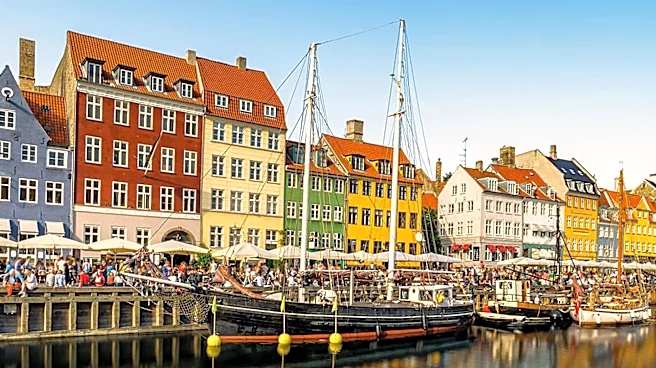
Royal Caribbean has identified several prominent landmarks in Copenhagen, Denmark, as key attractions for visitors. These include the colorful canal district of Nyhavn, the famous Little Mermaid statue, and the historic Tivoli Gardens. Nyhavn is characterized
by its historic houses, moored boats, and outdoor cafes, with canal tours also departing from the area. The Little Mermaid, a bronze figure on Copenhagen's waterfront, is noted as an enduring symbol of Denmark, connected to Hans Christian Andersen's stories. Tivoli Gardens, established in 1843, offers amusement rides, gardens, restaurants, and live entertainment, appealing to both families and those interested in atmosphere and design. Other significant landmarks mentioned include Rosenborg Castle, Amalienborg Palace, The Round Tower, Kronborg Castle, Frederiksborg Castle, Roskilde Cathedral, and Møns Klint, each offering a glimpse into Denmark's royal history, architecture, or natural beauty. These sites are presented as part of various shore excursions and longer itineraries for cruise visitors.
Why It's Important?
The promotion of Copenhagen's landmarks by a major cruise line like Royal Caribbean is significant for the tourism industry, particularly for the U.S. market. By highlighting these attractions, Royal Caribbean directly influences travel decisions and encourages international tourism to Denmark. This can lead to increased revenue for local businesses in Copenhagen, including hotels, restaurants, tour operators, and retail establishments. For U.S. travelers, this curated list simplifies the planning process for international trips, offering clear points of interest and potential itineraries. The emphasis on historical and cultural sites also contributes to a broader understanding and appreciation of Danish heritage among American tourists. The cruise industry's role in shaping travel trends means that such endorsements can have a substantial economic impact on the featured destinations, fostering cultural exchange and supporting local economies.
What's Next?
As Royal Caribbean continues to feature Copenhagen's landmarks, it is likely that more U.S. tourists will consider Denmark as a travel destination. This could lead to an increase in bookings for Copenhagen-bound cruises and flights, as well as a rise in demand for local tours and services. The continued promotion may also encourage other cruise lines and travel agencies to further develop and market their Danish itineraries, potentially leading to increased competition and diverse travel options. Local tourism boards in Denmark may leverage this exposure to further enhance their marketing efforts, possibly developing new attractions or improving existing infrastructure to accommodate a growing influx of visitors. The focus on specific landmarks suggests that these sites will continue to be central to Copenhagen's tourism appeal, potentially leading to further investment in their preservation and accessibility.
Beyond the Headlines
The curated selection of landmarks by Royal Caribbean reflects a broader trend in the tourism industry towards experiential travel, where visitors seek authentic cultural and historical engagements. By emphasizing sites like Nyhavn, The Little Mermaid, and Tivoli Gardens, the cruise line is not just selling a destination but an experience rooted in Danish identity and storytelling. This approach can subtly influence how U.S. travelers perceive and interact with foreign cultures, moving beyond superficial sightseeing to a deeper appreciation of local heritage. The inclusion of historical residences like those of Hans Christian Andersen in Nyhavn adds a literary and artistic dimension, enriching the travel narrative. Furthermore, the promotion of these sites underscores the economic power of cultural heritage, demonstrating how historical preservation and accessibility can be vital components of a thriving tourism economy, benefiting both the local population and international visitors.