




What's Happening?
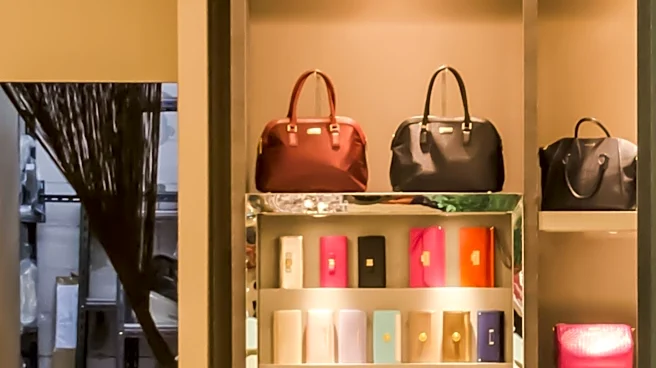
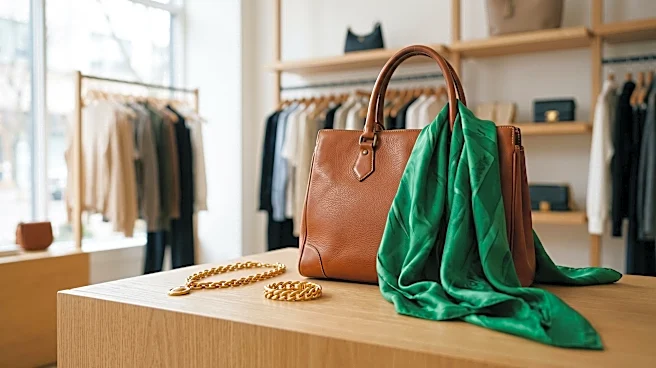
The market for pre-owned luxury handbags is growing, driven by rising retail prices, the difficulty of finding iconic models in boutiques, and increased interest in second-hand shopping. Consumers are increasingly considering pre-owned options for brands
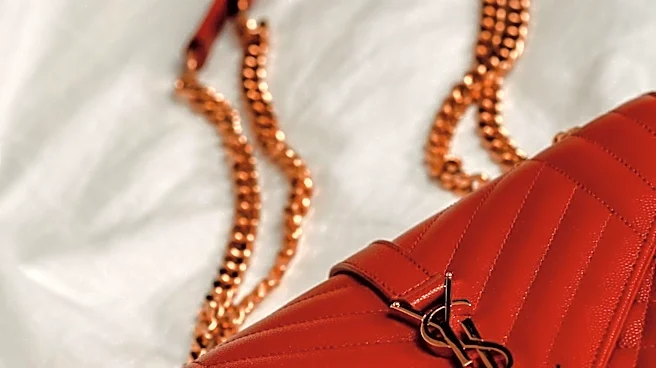
like Louis Vuitton, Chanel, Hermès, Dior, Gucci, and Bottega Veneta, including popular models such as the Classic flap, Speedy, Alma BB, Birkin, Kelly, Lady Dior, and Keepall. While pre-owned bags can offer more attractive prices than new ones, this is not always the case, as pricing depends on factors like brand, model, condition, color, material, and demand. Authenticity is a critical concern, requiring buyers to look beyond logos or serial numbers and assess the bag's overall construction, materials, stitching, hardware, and brand markings. The condition of the bag also significantly impacts its value, with buyers advised to inspect corners, handles, interiors, hardware, and overall shape.
Why It's Important?
The rise of the pre-owned luxury handbag market signifies a shift in consumer behavior, reflecting a desire for value, sustainability, and access to exclusive or discontinued items. This trend impacts the luxury retail industry by creating a robust secondary market that can influence primary market pricing and brand strategies. For consumers, it offers opportunities to acquire high-value items at potentially lower costs, but also introduces risks related to authenticity and condition. The emphasis on trusted sellers and thorough authentication processes highlights the need for transparency and reliability in this growing sector. The market also allows for the preservation and circulation of luxury goods, contributing to a more circular economy within the fashion industry and potentially broadening the demographic of luxury consumers.
What's Next?
As the pre-owned luxury market continues to expand, consumers can expect to see more specialized resellers and online marketplaces offering authenticated goods. The industry will likely focus on developing more sophisticated authentication technologies and standardized condition grading systems to build buyer confidence. Brands may also explore ways to integrate with or influence the secondary market, potentially through certified pre-owned programs or partnerships. Buyers will need to remain vigilant in verifying seller credibility and understanding return policies. The demand for rare and vintage pieces is expected to grow, further diversifying the offerings in the pre-owned sector and potentially driving up prices for highly sought-after items.
Beyond the Headlines
The growth of the pre-owned luxury market extends beyond mere economics, touching upon broader themes of sustainability, consumer values, and the democratization of luxury. By extending the lifecycle of high-end products, this market contributes to reducing waste and promoting more conscious consumption habits. It also challenges traditional notions of luxury, where newness was paramount, by validating the value and desirability of pre-owned items. This shift can influence how luxury brands design and market their products, potentially leading to a greater emphasis on durability, timelessness, and resale value. Furthermore, the market creates new entrepreneurial opportunities for authentication experts, resellers, and platform providers, fostering innovation within the luxury ecosystem.