







What's Happening?
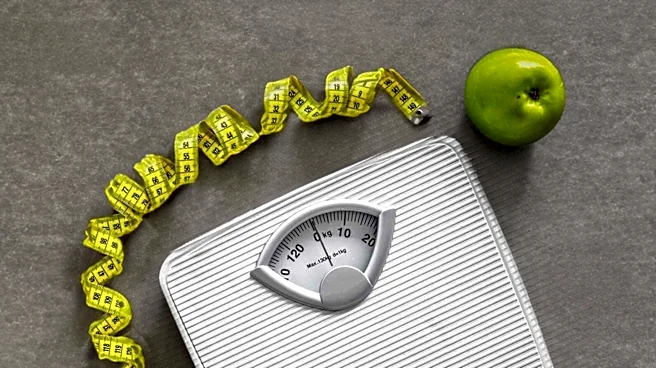
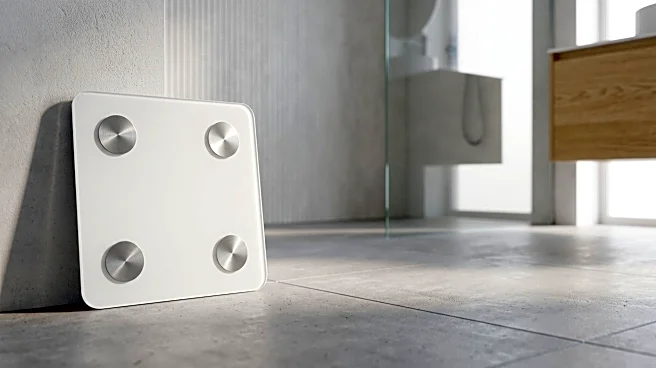
Smart scales are digital weighing devices that go beyond basic weight measurement by estimating body composition through bioelectrical impedance analysis (BIA). This technology involves passing a small, safe electrical current through the body via metal
electrodes on the scale's platform. The scale then measures the resistance encountered by this current. Since fat, muscle, and water conduct electricity differently, the resistance data allows the smart scale to estimate metrics such as body fat percentage, muscle mass, and water percentage. These devices typically connect to a companion app via Bluetooth, automatically transmitting readings and building a historical record of progress. This connectivity transforms a simple weighing into an ongoing tracking system, providing trend charts and goal-setting capabilities. Advanced models may also offer estimates for bone mass and visceral fat. The Scale MD Pro, for instance, uses dual-point impedance via hands and feet to reduce estimation errors, providing what it describes as medical-grade measurements.
Why It's Important?
The integration of bioelectrical impedance analysis and app connectivity in smart scales offers a more comprehensive view of health and fitness than traditional scales. For individuals with specific fitness goals like fat loss, muscle gain, or body recomposition, these scales provide valuable data beyond just total weight. By tracking body composition, users can determine whether weight changes are due to fat or muscle, allowing for more informed adjustments to their training and nutrition plans. The ability to monitor trends over time through companion apps helps users understand the long-term effects of their lifestyle choices. This data-driven approach can empower individuals to make more effective decisions in their health journeys, potentially leading to better outcomes in managing weight, building muscle, and improving overall body composition. The convenience of automatic data logging and trend visualization also removes the manual effort often associated with tracking progress, making consistent monitoring more accessible.
What's Next?
The technology behind smart scales is continuously evolving, with future models expected to incorporate more sensor points for localized body composition estimates and tighter integration with broader health and fitness platforms. Algorithms are also improving to account for factors like exercise timing and hydration status, which can influence body composition calculations. These advancements aim to enhance the accuracy and utility of smart scales, although the fundamental principle of interpreting body composition as a trend rather than an exact daily figure will likely remain. Furthermore, smart scales are increasingly integrating with wider smart home and health ecosystems, allowing data to be combined with information from sleep trackers, activity bands, and nutrition logs into a single dashboard. This ecosystem connectivity will provide users with a more holistic view of their health, enabling more comprehensive and personalized fitness strategies.
Beyond the Headlines
While smart scales offer significant advantages in health tracking, it's crucial to understand their limitations. Body composition estimates derived from bioelectrical impedance are inherently less precise than laboratory-grade measurements, as they can be affected by variables like hydration levels and the timing of measurements. Therefore, these figures are best interpreted as trends over weeks and months rather than exact daily numbers. Users should prioritize the accuracy of weight readings, which are generally as precise as any quality digital scale, and use body composition data as a guide for long-term progress. Privacy and data security are also important considerations, as smart scales collect personal health information. Users should review the privacy policies of reputable brands to understand how their data is stored and shared. Ultimately, the value of a smart scale is maximized when its data is integrated into a broader fitness and nutrition routine, providing context for training logs and dietary choices.