




What's Happening?
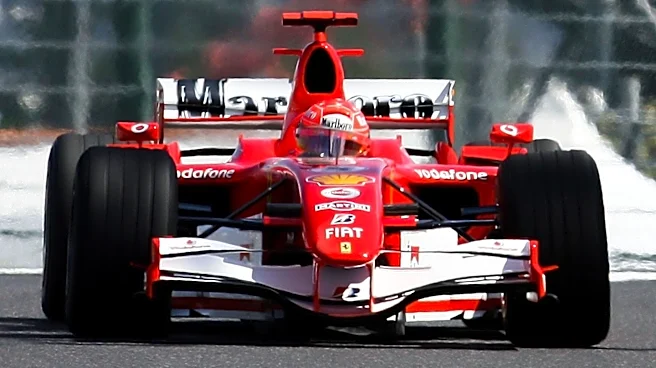
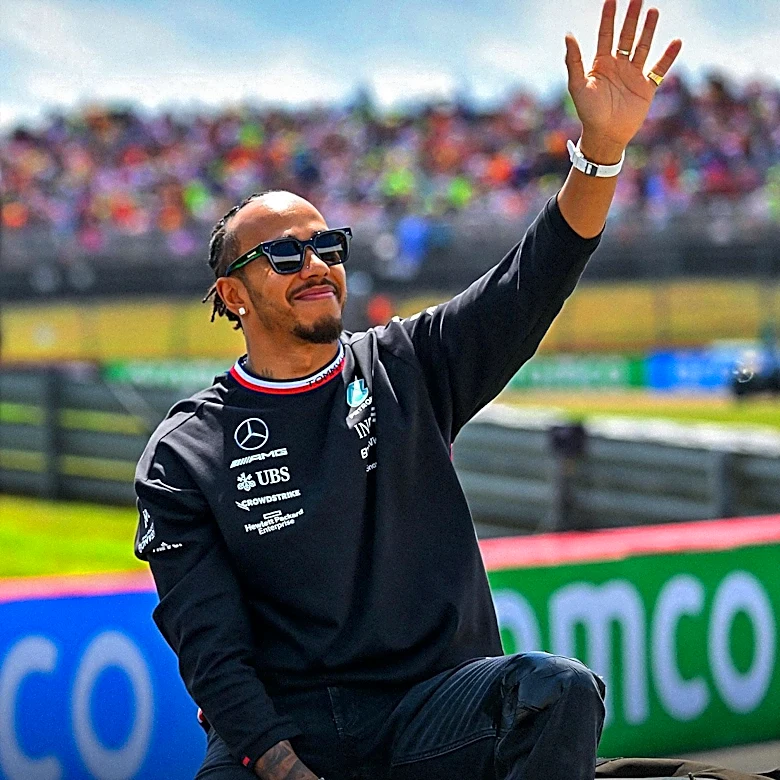
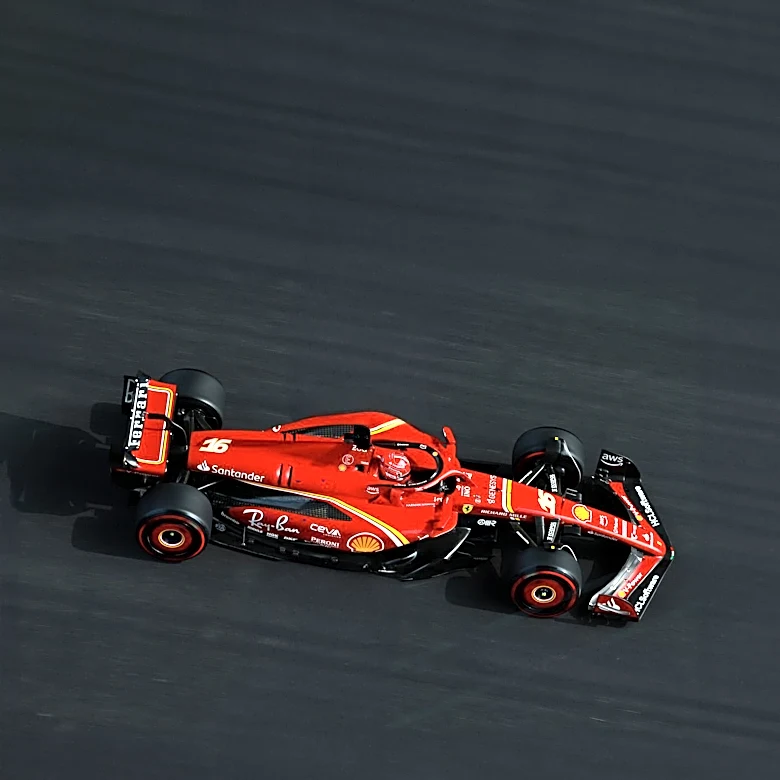
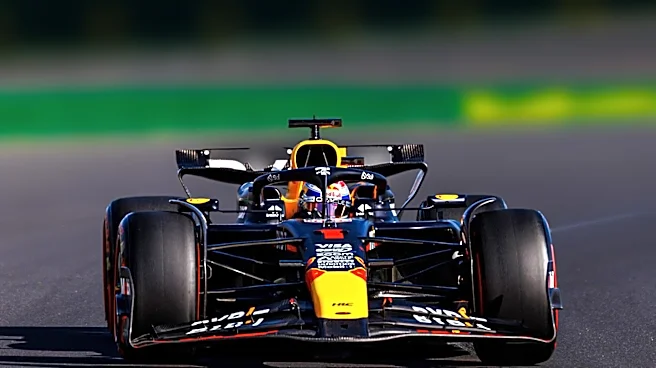
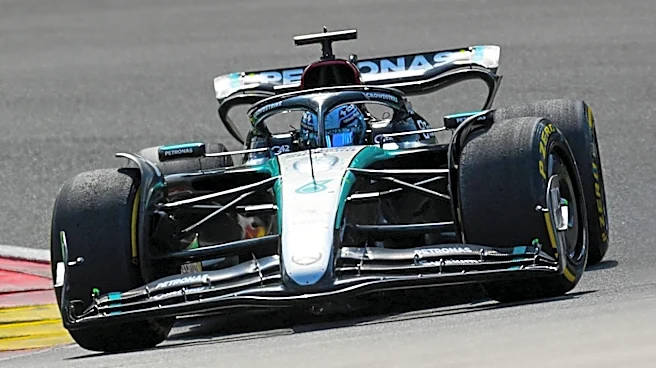
Lewis Hamilton has secured pole position for the Silverstone F1 sprint race, narrowly beating Kimi Antonelli. This achievement marks a significant moment for Hamilton and Ferrari, as they defied expectations by outperforming Mercedes in qualifying. The
session saw mixed results for other drivers, with George Russell and Charles Leclerc facing challenges. Russell expressed frustration over his performance, while Leclerc struggled to match Hamilton's pace. The qualifying session highlighted the competitive dynamics within teams and the ongoing battle for supremacy in the Formula 1 circuit.
Why It's Important?
Hamilton's pole position is a testament to his skill and Ferrari's strategic improvements, potentially altering the competitive landscape of the current F1 season. This development could impact team strategies and driver morale, particularly for those who underperformed. The results also underscore the importance of adaptability and resilience in high-stakes racing, as teams and drivers must continuously evolve to maintain competitiveness. Hamilton's success may inspire other teams to reassess their approaches, fostering innovation and strategic shifts within the sport.
Beyond the Headlines
The qualifying results at Silverstone reflect broader trends in Formula 1, where technological advancements and team dynamics play crucial roles. The performance disparities among drivers highlight the intricate balance between driver skill and vehicle capabilities. As teams strive for excellence, the sport continues to evolve, with technological innovations and strategic decisions shaping the future of racing. This ongoing evolution presents opportunities and challenges for teams, drivers, and stakeholders, influencing the sport's trajectory and its appeal to global audiences.