




What's Happening?
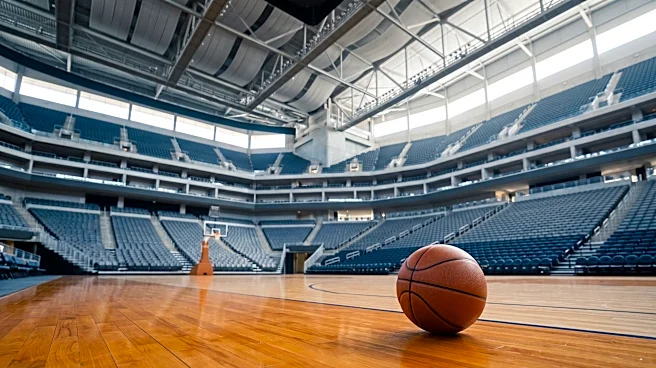
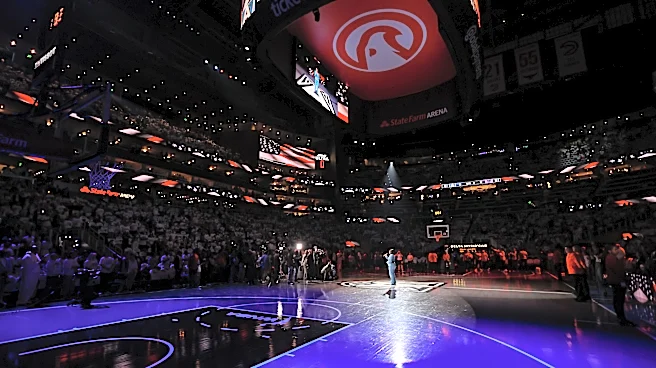
Game 6 of the WNBA Finals, featuring the Atlanta Dream, was controversially scheduled for 12:30 p.m. on a Thursday. This unusual timing was a result of logistical complications, as the State Farm Arena, the Dream's chosen venue for the Finals, was also
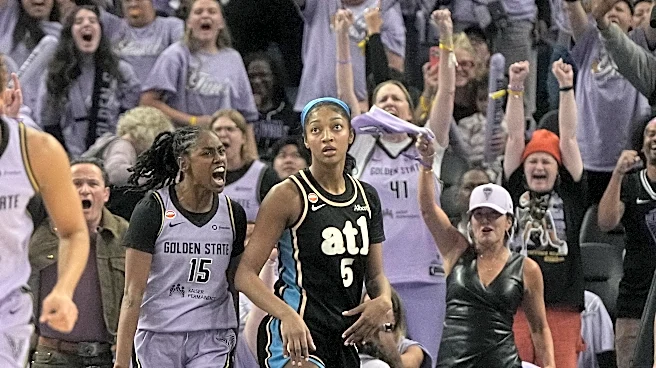
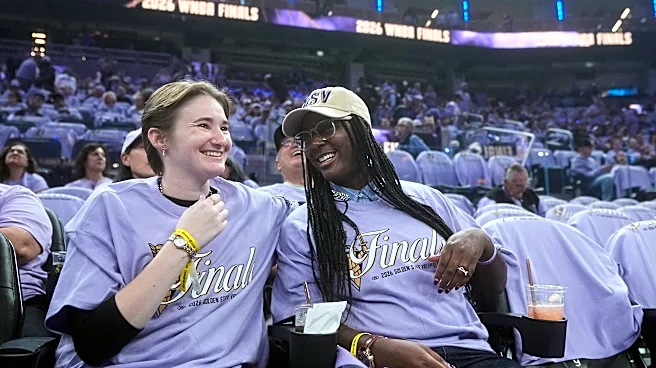
scheduled to host an Atlanta Hawks game later that evening. The Dream typically play at the Gateway Center, which has a smaller capacity of 3,500, but moved to State Farm Arena to accommodate over 17,000 fans. The WNBA had informed the Dream in December to secure an arena for potential Finals dates, but the team's popularity surge, driven by the acquisition of Angel Reese, occurred later in April. Despite the challenging midday schedule, the Dream secured an 80-69 victory against the Valkyries, forcing a Game 7. The game was characterized by an electric atmosphere, with a halftime performance by T-Pain and enthusiastic crowd chants.
Why It's Important?
This scheduling conflict highlights a significant challenge for the WNBA as it experiences rapid growth and increased popularity. The league's infrastructure appears to be struggling to keep pace with its expanding demand, forcing a choice between prime-time viewership and a packed arena for a crucial Finals game. This situation underscores the difficulties faced by non-NBA-affiliated franchises like the Dream in securing optimal venues and scheduling, especially when compared to teams like the Valkyries, which share ownership with an NBA team. The incident also brings into question the foresight and communication within the WNBA's leadership, particularly under outgoing Commissioner Cathy Engelbert, as the league's growth is outpacing its operational capabilities. The ability to host high-stakes games in prime slots and suitable venues is crucial for maximizing viewership, revenue, and overall league prestige.
What's Next?
The WNBA Finals will proceed to Game 7, scheduled for Saturday at 8 p.m. ET, which will finally provide both teams with a prime-time spotlight. This game will also mark Cathy Engelbert's final act as commissioner, placing increased scrutiny on the league's ability to manage its growing success. The logistical issues surrounding Game 6 may prompt a reevaluation of the WNBA's scheduling protocols and venue booking processes to prevent similar conflicts in the future. Potential successors to Engelbert, such as deputy NBA commissioner Mark Tatum, who was involved in liaising between the leagues, will likely face pressure to address these infrastructure challenges and ensure better planning for future high-profile events. The incident could also lead to discussions about increased support and resources for WNBA teams, particularly those without direct NBA affiliations, to secure adequate facilities and scheduling flexibility.
Beyond the Headlines
The WNBA's scheduling dilemma for Game 6 reveals a deeper tension between the league's burgeoning popularity and its historical operational constraints. For years, women's professional basketball players have adapted to less-than-ideal circumstances, demonstrating resilience and gratitude. However, as the WNBA transforms into a significant business, the expectation for professional execution and infrastructure to match its on-court product is growing. This event serves as a stark reminder that while the league celebrates its exponential growth, it must also invest in and improve its foundational support systems. The incident could catalyze a broader conversation about equitable resource allocation, strategic planning, and the need for the WNBA to fully embrace its potential by providing its athletes and fans with the best possible experience, free from avoidable logistical hurdles.