






What's Happening?
Nutrition Action has released a guide detailing eight healthy grocery items designed to save time in the kitchen for U.S. consumers. The guide, authored by Lindsay Moyer, MS, RDN, focuses on pre-prepped, pre-seasoned, or pre-cooked proteins and quick-cooking
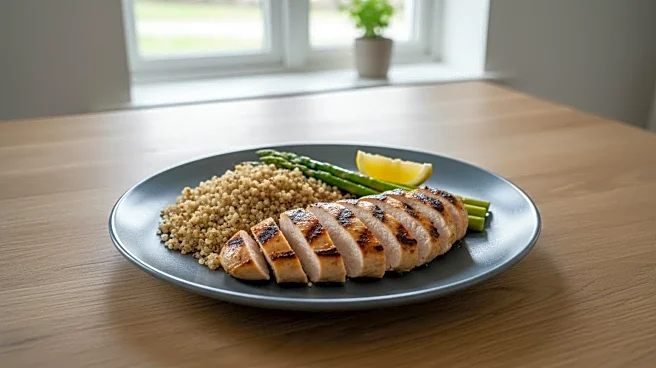
carbohydrates. Among the recommended proteins are canned salmon, pre-seasoned tofu, raw chicken breast cuts (tenderloins or thin-sliced), and grilled chicken breast strips. For carbohydrates, the guide highlights whole wheat pasta, pre-cooked whole grains (like quinoa and brown rice), frozen peas or corn, and delicata squash. The publication emphasizes that these selections are vetted by their staff and are not advertisements, aiming to help individuals prepare healthy meals efficiently, even with limited time. The article also provides tips for choosing specific brands, checking sodium content, and preparing these items.
Why It's Important?
This guide is important for U.S. consumers seeking to maintain a healthy diet amidst busy schedules. The emphasis on convenience without compromising nutritional value addresses a common challenge in modern American lifestyles, where time constraints often lead to reliance on less healthy, fast-food options. By identifying specific products and preparation methods, Nutrition Action empowers individuals to make informed choices that support their health goals. The inclusion of plant-based alternatives like legume pasta and pre-seasoned tofu also caters to growing dietary preferences and needs, such as gluten-free options or vegetarian protein sources. The advice on checking labels for sodium content and sustainable sourcing (e.g., MSC logo for salmon) further promotes conscious consumption and public health awareness.
What's Next?
Consumers are likely to integrate these recommendations into their grocery shopping habits, potentially increasing demand for the highlighted products. Food manufacturers and retailers may respond by expanding their offerings of pre-cooked, pre-seasoned, and quick-preparation healthy foods. Nutrition Action and similar health organizations may continue to publish guides that simplify healthy eating, adapting to evolving consumer needs and food trends. The focus on convenience and health could also influence product development in the food industry, leading to more innovations in ready-to-eat or quick-prep nutritious meals. Educational efforts around label reading and sustainable choices are also expected to continue, fostering a more informed consumer base.
Beyond the Headlines
The trend towards time-saving healthy groceries reflects a broader societal shift where convenience and health are increasingly intertwined. This development has implications for public health, potentially contributing to a reduction in diet-related illnesses by making nutritious food more accessible and less time-consuming to prepare. Ethically, the guide's commitment to independent vetting and avoidance of paid advertising underscores the importance of unbiased information in consumer choices. Culturally, it highlights the ongoing challenge of balancing modern life's demands with personal well-being, suggesting that food preparation is becoming more about strategic choices than elaborate cooking. The emphasis on sustainable sourcing also points to a growing awareness of environmental impact within dietary decisions.