




What's Happening?
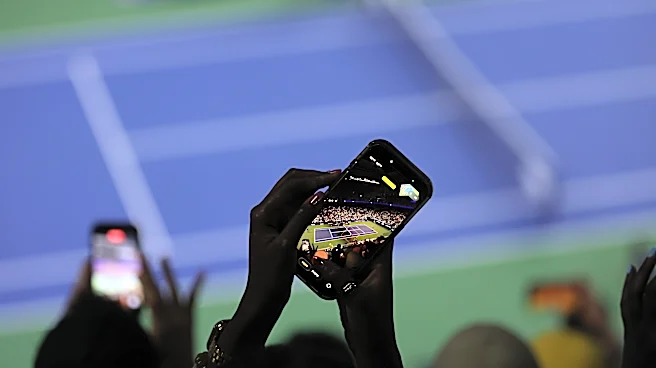
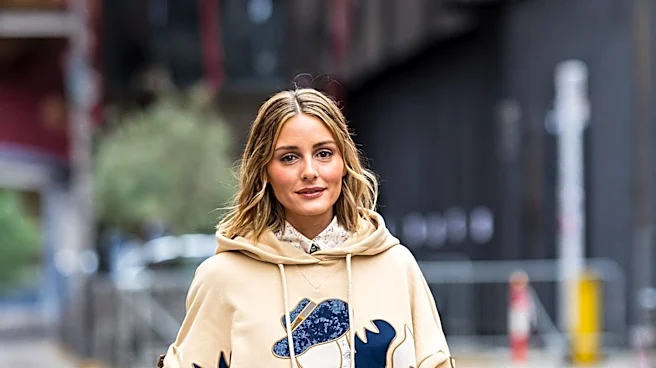
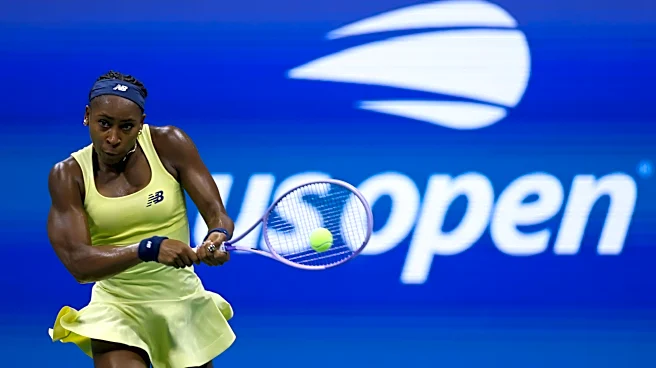
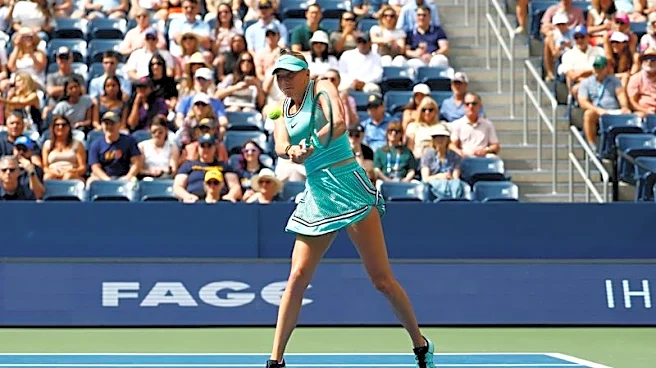
Social media influencers are increasingly becoming a permanent feature at major sports events, including the US Open, despite causing irritation and disruptions. This year's US Open saw influencers drawing criticism for their behavior, such as staging
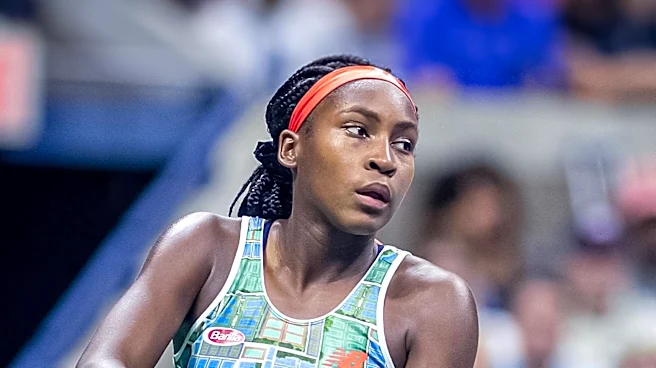
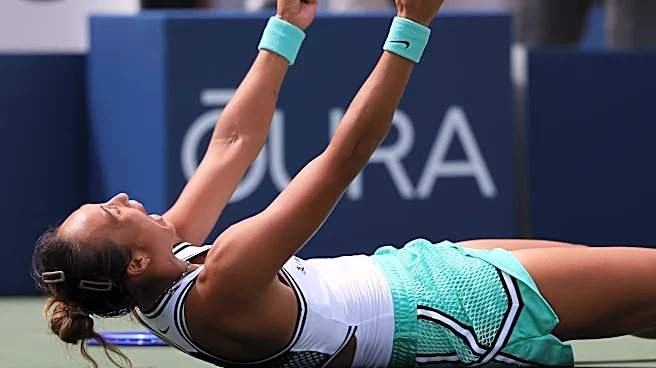
disruptive photo shoots during matches and taking untimely selfies, which goes against traditional tennis etiquette. One incident involved a chair umpire reprimanding influencers during Naomi Osaka's match, and another saw a social media user posing for photos while Madison Keys was playing a point. Experts in sports media, like Nasha Smith from Arizona State University, confirm that influencers are here to stay, becoming a mainstream and relevant part of sports marketing. The US Open accredited 100 influencers this year, with some specifically covering the food and beverage scene. Leslie Koroma, CEO of Africa Sports Ventures Group, notes that influencers are a cost-effective marketing trend, reaching audiences that traditional media might not. Players like Naomi Osaka and Jessica Pegula have acknowledged the role of influencers in popularizing tennis but emphasized the need for decorum and respect for the game.
Why It's Important?
The integration of social media influencers into major sports events like the US Open signifies a significant shift in sports marketing and audience engagement. This trend is important because it reflects the evolving landscape of media consumption and the efforts of sports organizations to reach younger, digitally native audiences. While influencers offer a cost-effective way to expand reach and make events feel more accessible, their presence also introduces challenges related to maintaining the integrity and traditional etiquette of sports. The tension between marketing innovation and preserving the sanctity of the game is a key aspect of this development. The financial investment in influencers, though undisclosed, is likely less than traditional marketing, indicating a strategic shift in resource allocation by organizations like the United States Tennis Association (USTA). The success of this strategy hinges on whether influencer content translates into genuine interest in the sport, attendance, and viewership, rather than just online engagement metrics.
What's Next?
Experts predict that influencers will continue to be a prominent feature at major sports tournaments, and their integration into traditional marketing strategies will be further refined. Marketing experts will evaluate the effectiveness of these collaborations to determine how best to leverage influencers without compromising the event experience. Tournament organizers will need to find a balance between utilizing influencers for audience engagement and ensuring that their activities do not disrupt the athletes or other spectators. This may involve clearer guidelines for accredited influencers, designated content creation zones, or stricter enforcement of etiquette rules. The ongoing dialogue between players, fans, and event organizers regarding appropriate behavior will likely shape future policies. The goal will be to harness the reach of influencers to popularize sports while preserving the competitive environment and spectator experience. The evolution of this trend will also involve assessing the long-term impact on fan loyalty and the overall perception of sports events.
Beyond the Headlines
The rise of influencers at sports events touches upon broader societal and cultural shifts, particularly the increasing blurring of lines between entertainment, marketing, and traditional media. This phenomenon raises ethical questions about the commercialization of sports and the potential for authenticity to be overshadowed by curated content. The pushback from traditional sports fans and players highlights a generational divide in how events are consumed and valued. It also underscores the challenge for established institutions to adapt to new digital realities while preserving their core values. The debate over influencers' role extends beyond sports, reflecting a wider societal discussion about the impact of social media on public spaces and collective experiences. Ultimately, the integration of influencers into sports events is a microcosm of how digital culture is reshaping industries, forcing a reevaluation of what constitutes 'value' and 'engagement' in the modern era.