


What's Happening?
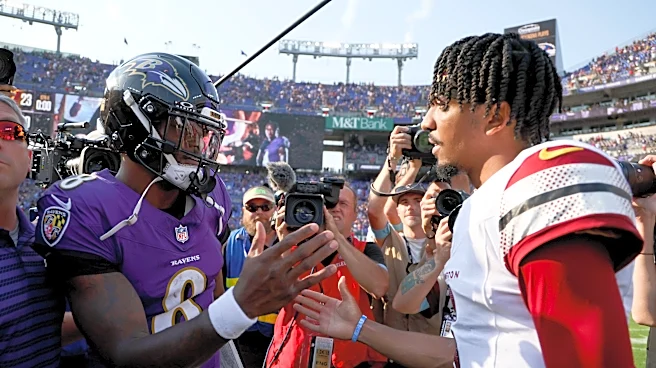
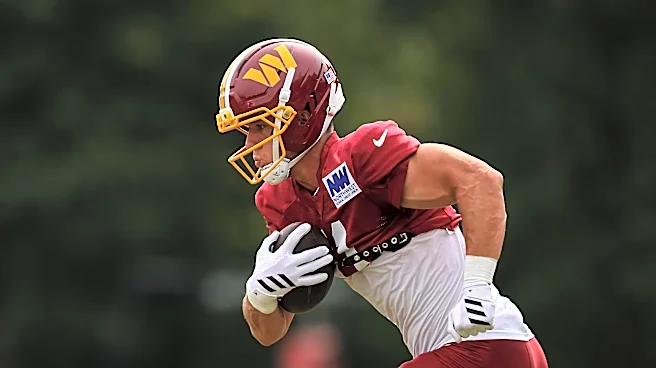
Washington Commanders quarterback Jayden Daniels has stated he will not provide further comments regarding the ongoing dispute with Louisiana State University (LSU) over his former No. 5 jersey. Daniels, who won the Heisman Trophy in 2023 while at LSU,
had previously sent a cease-and-desist letter to the university through his attorney, Adam Kenner, Esq., after LSU reassigned his jersey number to sophomore cornerback DJ Pickett. Daniels' camp expressed deep disappointment and a feeling of disrespect, believing his number should have been honored as part of his legacy. The cease-and-desist letter also pertained to LSU's use of Daniels' name, image, and likeness (NIL), arguing that the university's contractual right to use his NIL expired 180 days after his last game. When questioned by reporters, Daniels referred back to a statement he posted on Instagram two weeks prior, emphasizing his focus on Commanders training camp and his hope for a private resolution to the issues with LSU. Reports also indicate that Daniels' camp requested LSU return its copy of his 2023 Heisman Trophy, a request LSU reportedly has no intention of fulfilling.
Why It's Important?
This situation highlights the evolving landscape of Name, Image, and Likeness (NIL) rights in college sports and the complexities that arise when athletes transition to professional careers. For Daniels, a prominent NFL quarterback, the dispute underscores the personal value athletes place on their collegiate legacies and the symbols associated with them, such as jersey numbers. For LSU, it brings into question how universities manage the legacies of their star athletes, especially Heisman Trophy winners, in an era where players retain more control over their personal brand. The legal action, though Daniels has ceased public comment, sets a precedent for how former collegiate athletes might challenge their alma maters over NIL usage post-departure. The controversy also impacts public perception of both Daniels and LSU, potentially influencing future athlete recruitment and alumni relations. The request for the return of the Heisman Trophy copy further escalates the tension, demonstrating the depth of the disagreement and the emotional investment involved.
What's Next?
Jayden Daniels has made it clear he intends to focus solely on his commitments with the Washington Commanders, indicating he will not publicly discuss the LSU jersey controversy further. The resolution of the dispute, if any, is expected to occur privately between Daniels' representatives and LSU. It remains to be seen whether LSU will alter its stance on the use of Daniels' former jersey number or its handling of his NIL. The university's decision not to return its copy of the Heisman Trophy suggests a firm position on their part. The situation could lead to further legal discussions behind closed doors, potentially influencing future policies regarding retired jersey numbers and NIL rights for departing collegiate athletes across the NCAA. The ongoing nature of NIL regulations means that similar disputes could arise for other high-profile athletes in the future, prompting universities to re-evaluate their agreements and traditions.
Beyond the Headlines
The Jayden Daniels-LSU dispute delves into deeper ethical and cultural dimensions surrounding athlete recognition and institutional control in college sports. Traditionally, universities have held significant power over the narratives and symbols associated with their athletic programs. However, the advent of NIL rights has empowered athletes to assert greater control over their personal brands, even after leaving their collegiate institutions. This conflict raises questions about the moral obligations of universities to honor the legacies of their most impactful athletes, particularly those who achieve national recognition like a Heisman Trophy. It also highlights a potential disconnect between the sentimental value athletes place on their contributions and the more transactional approach institutions might take. The public nature of this disagreement, despite Daniels' desire for privacy, could prompt broader discussions within college athletics about establishing clearer guidelines for jersey retirements, NIL usage post-departure, and the overall relationship between universities and their former star players.