






What's Happening?
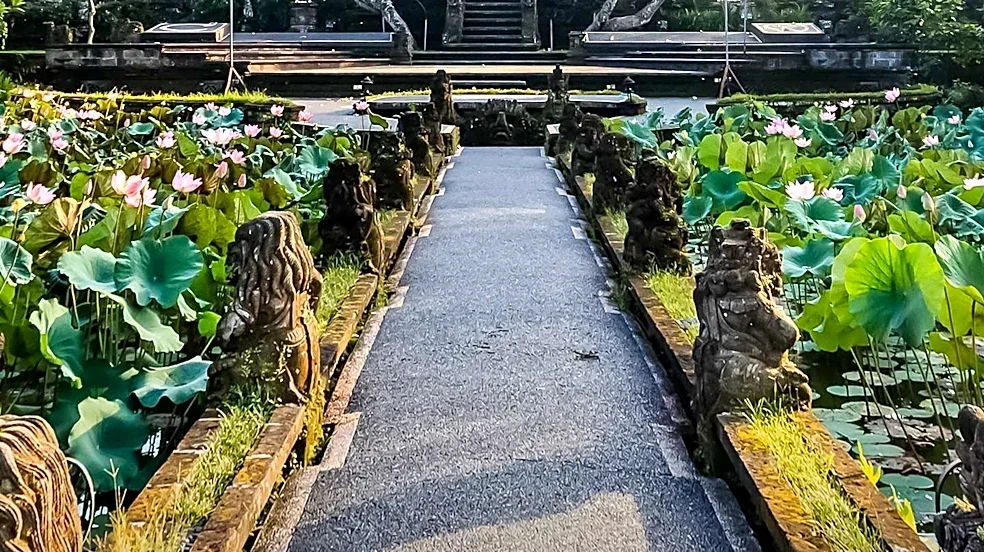
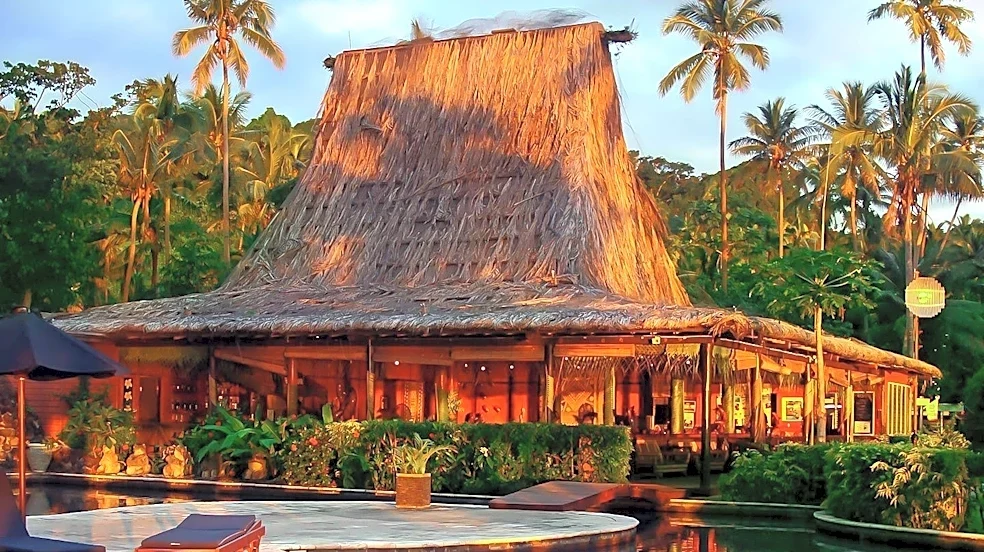
Ubud, located in Bali, Indonesia, is highlighted as the island's cultural center, offering a distinct atmosphere compared to the busier coastal areas. The region is characterized by its tropical greenery, traditional villages, and extensive rice paddies.
Key attractions include the Tegallalang Rice Terraces, known for their layered fields and green valleys, and the Ubud Art Market, where visitors can find local crafts and artwork. The Sacred Monkey Forest is another prominent site, housing long-tailed macaques and ancient temple structures. Ubud is also recognized for its wellness offerings, such as traditional Balinese massages and yoga studios, and its vibrant culinary scene featuring independent cafes and Balinese cuisine. The Tirta Empul water temple, significant for its sacred spring purification traditions, further underscores Ubud's cultural importance.
Why It's Important?
Ubud's prominence as a cultural and wellness destination is significant for the tourism industry, particularly for those seeking experiences beyond typical beach resorts. Its focus on traditional Balinese culture, art, and spiritual practices provides a unique draw, contributing to a diversified tourism economy. The emphasis on wellness activities like yoga and traditional massages caters to a growing global demand for health-focused travel, positioning Ubud as a leader in this niche. The preservation of natural landscapes, such as the Tegallalang Rice Terraces, also highlights the importance of sustainable tourism practices and the economic benefits derived from maintaining ecological and cultural heritage. This blend of cultural immersion, natural beauty, and wellness offerings makes Ubud a compelling destination, attracting a wide range of international visitors and supporting local economies through various tourism-related services.
What's Next?
Visitors to Ubud can anticipate continued development in its cultural and wellness tourism sectors. The region is likely to see further enhancements in its infrastructure to accommodate the growing number of tourists, while also striving to maintain its authentic charm. Efforts may focus on promoting responsible tourism to protect its natural and cultural sites, such as the Tegallalang Rice Terraces and the Sacred Monkey Forest. The expansion of wellness retreats, yoga studios, and traditional spa services is also probable, catering to the increasing demand for holistic health experiences. Additionally, local authorities and businesses will likely continue to emphasize the unique Balinese culinary scene and art galleries, ensuring a rich and diverse experience for future travelers.
Beyond the Headlines
The sustained appeal of Ubud as a cultural and wellness hub reflects broader trends in global tourism, where travelers increasingly seek authentic experiences, cultural immersion, and opportunities for personal well-being. This shift moves beyond conventional sightseeing, emphasizing engagement with local traditions, spiritual practices, and natural environments. The success of Ubud also highlights the delicate balance between tourism development and cultural preservation. Maintaining the integrity of sites like the Tirta Empul temple and the traditional villages, while accommodating tourist influx, presents ongoing challenges. The region's ability to offer a 'slower pace' and a connection to nature also speaks to a growing desire among travelers to escape the fast-paced modern world, seeking tranquility and rejuvenation in their journeys.