
What's Happening?
Jamie Miller, a 28-year-old Welsh singer-songwriter based in Los Angeles, has released a new song titled 'Babydoll' which is rapidly gaining traction and going viral on TikTok. The song, co-written with
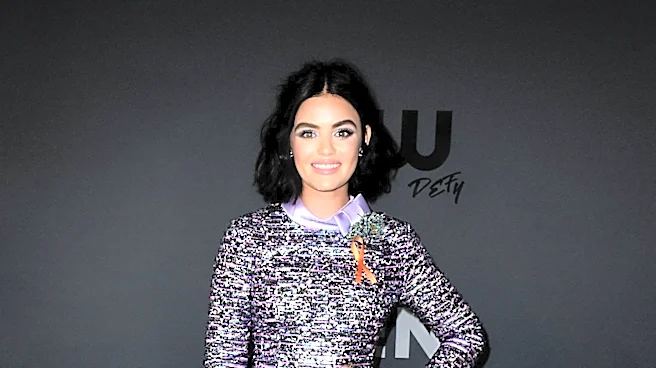
Hayley Warner and Michael Blum, has garnered millions of views on the platform. Miller, who finished third on The Voice UK in 2017 and released his debut album 'Long Way Home' in 2024, is now launching a new musical era with 'Babydoll'. A significant factor in the song's virality is the support from various celebrities, including Jennifer Love Hewitt, Julianne Hough, Lucy Hale, and Trisha Paytas, who have appeared in TikTok videos promoting the track. A dance trend associated with 'Babydoll' is also contributing to its widespread popularity on the social media platform.
Why It's Important?
The viral success of Jamie Miller's 'Babydoll,' significantly boosted by celebrity endorsements on TikTok, highlights the evolving landscape of music promotion and consumption in the U.S. entertainment industry. This phenomenon demonstrates the immense power of social media platforms like TikTok in breaking new artists and songs, often bypassing traditional marketing channels. For emerging artists, a viral moment on TikTok, especially when amplified by well-known figures like Lucy Hale, can translate into rapid mainstream recognition and commercial success. This trend impacts record labels, artists, and marketing agencies, compelling them to adapt their strategies to leverage digital platforms and influencer culture. It also underscores the shifting preferences of music listeners, who increasingly discover new content through short-form video platforms and user-generated trends, rather than conventional radio or music television. The involvement of celebrities further validates the song and encourages wider engagement, showcasing a powerful synergy between traditional celebrity influence and new media virality.
What's Next?
Following the viral success of 'Babydoll' and its associated dance trend, Jamie Miller is likely to capitalize on this momentum. This could involve increased media appearances, potential collaborations, and a more extensive promotional tour to reach a broader audience beyond TikTok. The continued engagement of celebrities like Lucy Hale could further sustain the song's visibility and drive its chart performance. For the music industry, this success story may encourage more artists and labels to invest in TikTok-centric marketing campaigns and seek celebrity endorsements on the platform. We can anticipate more artists attempting to replicate this model, focusing on creating catchy, danceable content that resonates with the TikTok community. The song's sustained popularity will also be a test of whether its viral success can translate into long-term career growth for Miller, potentially leading to more album releases and live performances.
Beyond the Headlines
The 'Babydoll' phenomenon, driven by TikTok and celebrity support, reflects a deeper cultural shift in how music becomes popular and how artists build their careers. It underscores the democratization of music discovery, where algorithms and user engagement on platforms like TikTok can propel a song to global recognition, sometimes overshadowing traditional gatekeepers in the music industry. This trend also raises questions about authenticity versus manufactured virality, as artists and their teams strategically craft content for social media. The involvement of celebrities like Lucy Hale, while beneficial for exposure, also highlights the increasing blurring lines between entertainment, advertising, and personal branding. This model could lead to a greater emphasis on 'TikTok-able' music, potentially influencing songwriting and production styles to favor short, catchy hooks and dance-friendly beats. Furthermore, it showcases the significant influence of social media on youth culture and how trends originating online can quickly permeate mainstream consciousness, impacting everything from fashion to dance.