






What's Happening?
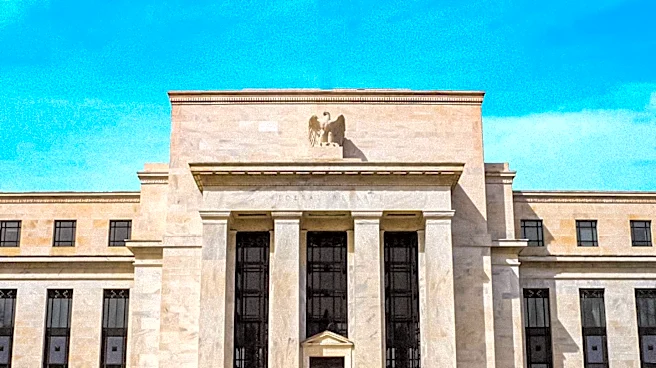
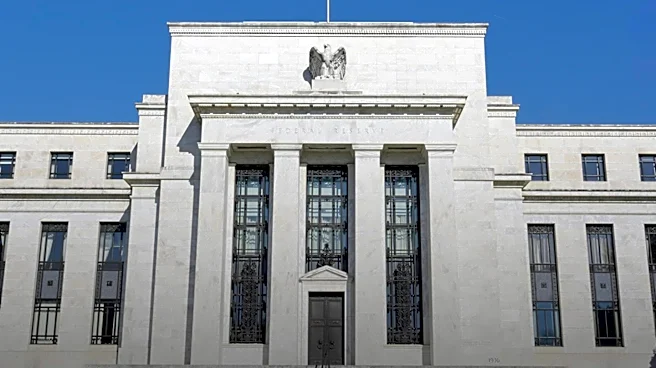
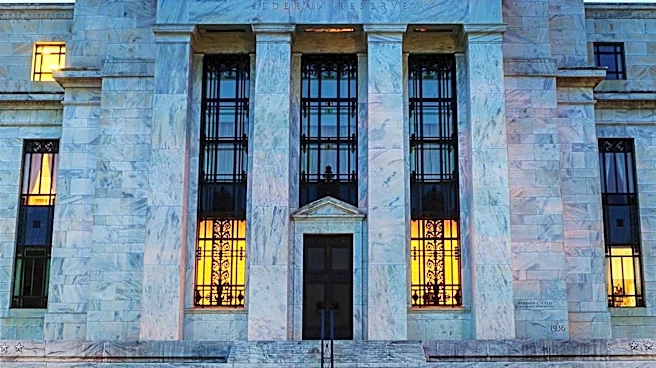
Federal Reserve Governor Michael Barr has issued a warning regarding the financial risks associated with the rapid growth of artificial intelligence (AI) infrastructure debt. In a speech on November 16, 2026, Barr highlighted findings from the Fed's Financial
Stability Report, which indicated that debt tied to advanced computing had surpassed $680 billion by October 2026. This figure represents a fivefold increase from the $130 billion issued in all of 2023. The report also estimated that total obligations linked to AI infrastructure, including future leases and guarantees, could exceed $3 trillion. Barr emphasized the need for close monitoring of financial dynamics in the sector, pointing to potential vulnerabilities stemming from complex financing arrangements and high hedge-fund leverage. The Fed's analysis drew parallels to the telecom investment boom of the late 1990s, suggesting that if AI investment returns fall short of expectations, the associated debt could become a source of systemic stress. Market contacts surveyed for the report also identified AI as the primary risk to financial stability, with 87% expressing concern, up from 50% in the previous survey.
Why It's Important?
The Federal Reserve's warning about AI infrastructure debt carries significant implications for the U.S. financial system and broader economy. With advanced-computing debt now constituting approximately one-third of investment-grade nonfinancial corporate debt issuance, any reassessment of AI's profitability could trigger widespread repercussions across corporate credit markets. Banks, which hold nearly $1 trillion in exposure to these tech firms and data-center developers, face increased scrutiny. Regulators signaling heightened monitoring could lead to more stringent lending standards and a closer examination of concentration risks within the tech and data-center sectors. The potential for 'self-reinforcing fire sales' fueled by high hedge-fund leverage, as flagged by Governor Barr, could exacerbate market volatility during a repricing event. This situation could impact investors, financial institutions, and the stability of the credit market, potentially leading to a contraction in investment and economic growth if the anticipated returns from AI do not materialize as expected.
What's Next?
In the immediate future, the Federal Reserve's message is one of vigilance, not alarm, but the heightened monitoring signaled by regulators suggests that financial institutions and investors should anticipate increased scrutiny. This could translate into tougher questions regarding lending standards and concentration risks for banks with significant exposure to tech and data-center borrowers. The minutes from the October FOMC meeting, released on November 18, indicated that policymakers are already discussing concerns over opaque financing structures. This ongoing discussion suggests that further regulatory actions or guidance may be forthcoming to address the potential vulnerabilities identified. Companies involved in AI infrastructure development, such as Amazon, Microsoft, and Nvidia, which are driving these commitments, may face closer examination of their financing strategies. The market will likely continue to watch for any signs of a disconnect between AI investment returns and the substantial debt taken on to fund it, as this could trigger broader market adjustments.
Beyond the Headlines
The Federal Reserve's concerns extend beyond immediate financial stability, touching upon the broader economic implications of speculative investment booms. The comparison to the late 1990s telecom bubble highlights a recurring pattern where rapid technological advancement can lead to over-leveraging if market expectations outpace actual returns. This situation raises questions about the long-term sustainability of current AI investment trends and the potential for a misallocation of capital. Ethically, the opaque financing structures and high hedge-fund leverage could create systemic risks that disproportionately affect smaller investors or those less equipped to navigate complex financial instruments. The development also underscores the increasing interconnectedness of technological innovation and financial markets, suggesting that future regulatory frameworks may need to evolve to address the unique risks posed by emerging technologies. The potential for algorithmic conflicts steering clients toward proprietary products or higher transaction fees, as mentioned by Barr, also points to ethical considerations within financial advisory practices in the context of AI investments.