



What's Happening?
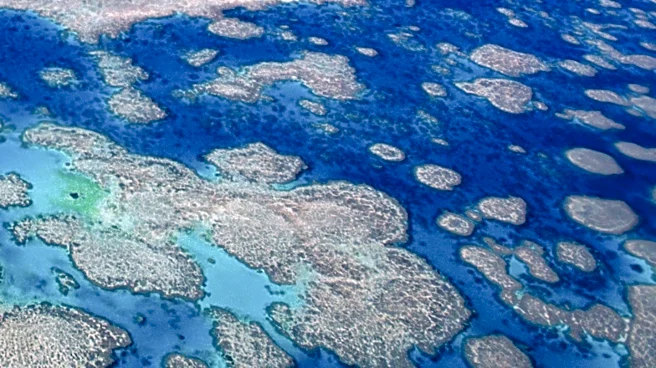
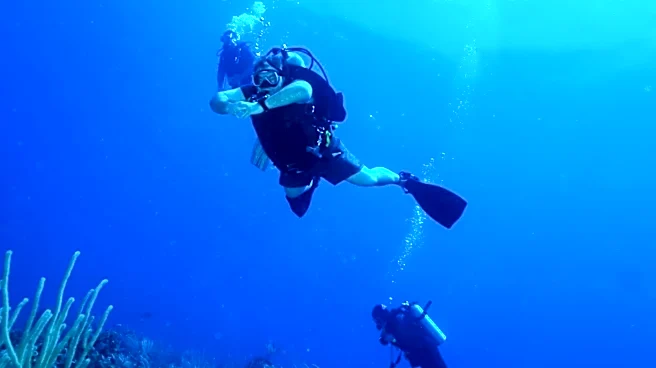
Bonaire, a Dutch Caribbean island, has been identified as a top scuba diving destination, boasting 87 dive sites within its large fringing reef. The island, measuring 24 miles long and seven miles wide, is home to the Bonaire National Marine Park, established
in 1979, which is one of the oldest marine reserves globally. The park protects a healthy and thriving marine ecosystem. Many of the dive sites, particularly on the calmer westerly leeward side, are accessible directly from the shore, with dive shops often utilizing trucks instead of boats to reach them. These sites are frequently marked by yellow rocks along the shoreline. Notable dive locations include the Salt Pier, which features artificial vertical reefs formed by its pillars, and Something Special, known for its sandy bottom and abundant fish life. Another popular site, Bon Bini Na Kas, showcases colorful fish and coral formations, while the Hilma Hooker offers a multi-tiered artificial reef from a sunken cargo ship.
Why It's Important?
Bonaire's prominence as a premier diving location highlights the economic and ecological value of well-preserved marine environments. The island's commitment to marine conservation, evidenced by the long-standing Bonaire National Marine Park, serves as a model for sustainable tourism and environmental protection in the Caribbean. The accessibility of its dive sites, many reachable from shore, makes it an attractive destination for a wider range of divers, potentially boosting local tourism and related industries such as dive shops, accommodations, and restaurants. The unique underwater landscapes, like the artificial reefs of the Salt Pier, contribute to the diversity of marine habitats, supporting a rich array of marine life. This focus on conservation and accessibility not only benefits the local economy but also contributes to global efforts in marine biodiversity preservation and responsible tourism practices.
What's Next?
As Bonaire continues to gain recognition, it is likely to see an increase in tourism, particularly from the scuba diving community. This influx could lead to further development of its tourism infrastructure, including more dive operators, hotels, and related services. The island will need to balance this growth with its established conservation efforts to ensure the long-term health of its marine park and dive sites. Continued monitoring and enforcement of marine protection regulations will be crucial. There may also be opportunities for educational programs and research initiatives focused on marine biology and coral reef health, further solidifying Bonaire's role as a leader in marine conservation. The success of Bonaire could also inspire other Caribbean islands to invest more in protecting their marine resources and promoting sustainable eco-tourism.
Beyond the Headlines
The success of Bonaire's marine park and its reputation as a diving haven underscore a broader shift in tourism towards experiences that emphasize natural beauty and ecological preservation. This trend reflects a growing awareness among travelers about environmental impact and a desire for authentic, nature-based activities. The island's approach to making dive sites accessible from shore also highlights an innovative solution to logistical challenges, potentially reducing the environmental footprint associated with boat-based diving. Furthermore, the transformation of structures like the Salt Pier into thriving artificial reefs illustrates how human infrastructure can, under certain conditions, contribute positively to marine ecosystems. This blend of conservation, accessibility, and unique underwater attractions positions Bonaire not just as a tourist destination, but as a case study in how small islands can leverage their natural assets responsibly for economic and ecological benefit.