







What's Happening?
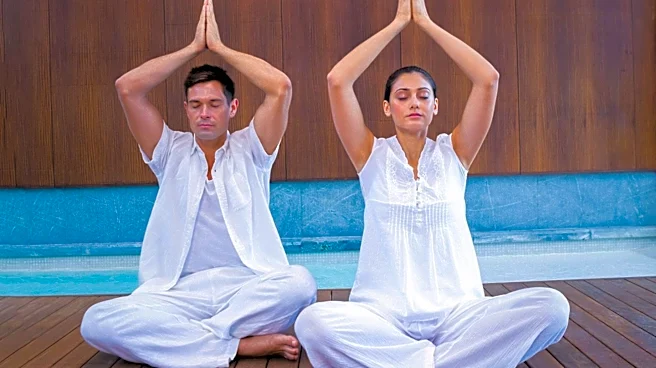
A recent evaluation of U.S. wellness resorts highlights several top destinations catering specifically to couples, focusing on shared experiences, privacy, and integrated wellness offerings. The Springs Resort in Pagosa Springs, Colorado, is recognized
for its extensive geothermal soaking options, with over 50 pools and 24-hour access for overnight guests, making it ideal for couples seeking a shared, unhurried experience. Ojo Caliente Mineral Springs Resort & Spa in New Mexico offers unique mineral waters and private cliffside pools, providing seclusion. Ten Thousand Waves in Santa Fe, New Mexico, features Japanese-style private hot tubs, while Sundara Inn & Spa in Wisconsin Dells provides an adults-only spa escape with a signature purifying bath ritual. CIVANA Wellness Resort & Spa in Scottsdale, Arizona, offers a flexible daily class schedule for couples, and Cal-a-Vie Health Spa in Vista, California, provides structured, all-inclusive programs. These resorts are evaluated based on criteria such as shared experience design, wellness depth, privacy, setting, inclusions, and ease of travel, aiming to identify locations that best serve couples rather than individual wellness travelers.
Why It's Important?
The growing emphasis on couples-centric wellness resorts reflects a significant trend in the U.S. hospitality and wellness industries. This shift caters to a demographic increasingly seeking shared experiences and intentional disconnection from daily stressors, rather than individually scheduled treatments that can lead to couples spending time apart. By offering features like 24-hour access to geothermal pools, private soaking areas, and flexible class schedules, these resorts are addressing a market demand for integrated wellness that strengthens relationships. This trend impacts the tourism sector by driving innovation in resort design and programming, encouraging properties to differentiate themselves through unique shared activities and enhanced privacy. For consumers, it means more tailored options for wellness getaways that prioritize connection and mutual rejuvenation, potentially leading to increased satisfaction and repeat visits. The focus on all-inclusive packages and accessible locations also broadens the appeal, making wellness travel more convenient and predictable for couples.
What's Next?
The trend towards couples-focused wellness experiences is likely to continue, with resorts further refining their offerings to meet evolving consumer preferences. Future developments may include more personalized couple's wellness programs, integrating advanced medical expertise with traditional healing practices, and expanding the range of shared outdoor adventures. Resorts might also invest in technology to enhance the booking and customization of shared activities, ensuring a seamless experience from arrival to departure. There could be an increased focus on sustainable and eco-friendly practices within these resorts, appealing to environmentally conscious couples. Additionally, as the demand for accessible wellness grows, more resorts may emerge in diverse geographical locations across the U.S., offering unique regional experiences. The industry may also see a rise in specialized retreats catering to specific couple needs, such as pre-marital wellness, empty-nester retreats, or those focusing on specific health goals.
Beyond the Headlines
The rise of couples-focused wellness resorts points to a deeper societal shift towards prioritizing relational well-being and shared self-care. In an increasingly fast-paced and digitally connected world, these retreats offer a crucial space for couples to reconnect, communicate, and de-stress together, fostering stronger bonds and mental health. The emphasis on shared experiences, such as geothermal soaking or joint wellness classes, moves beyond individual pampering to create a collective journey of rejuvenation. This trend also highlights the evolving definition of luxury, where privacy, intentional design, and the opportunity for genuine connection are valued as much as, if not more than, opulent amenities. Ethically, these resorts face the challenge of balancing exclusivity with accessibility, ensuring that the benefits of such retreats are not limited to a select few. Culturally, they contribute to a broader acceptance of wellness as an integral part of a healthy relationship, encouraging couples to invest in their joint physical and emotional health.