





What's Happening?
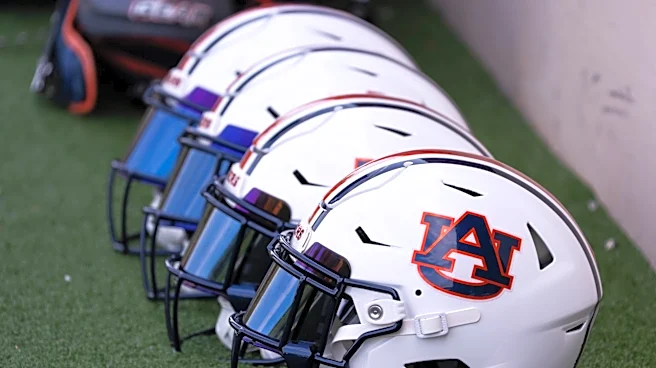
David Rudolph Jenrath, a former Auburn athletic department employee, has been accused of felony theft of trade secrets and computer tampering for allegedly sharing confidential football recruiting information with other schools. Jenrath, 24, of Franklin,
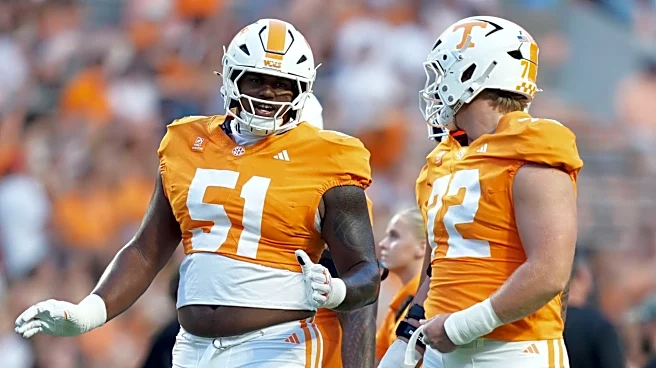
Tennessee, enrolled at the University of Tennessee (UT) for the fall semester in the applied artificial intelligence program. Knox News confirmed that Jenrath was never employed by the UT athletic department. He turned himself in to Auburn police on September 28 and was released on a $15,000 bond. The confidential information, shared with up to 11 schools, included personnel details about high school recruits targeted by Auburn for the 2027-29 classes. Jenrath worked as a player personnel scouting assistant at Auburn from January to June of this year, focusing on evaluating prospects and maintaining recruiting databases.
Why It's Important?
This incident highlights significant ethical and legal concerns within collegiate sports recruiting, particularly regarding the protection of sensitive information. The alleged theft of trade secrets could have substantial competitive implications, potentially giving rival programs an unfair advantage in recruiting top talent. The fact that Jenrath enrolled at UT, a rival institution, adds a layer of intrigue and potential conflict of interest, even though UT denies his employment. This situation underscores the intense competition in college football and the lengths to which individuals might go to gain an edge. It also raises questions about data security protocols within athletic departments and the vetting processes for employees and students with access to confidential information. The case could set precedents for how similar incidents are handled in the future, impacting policies across NCAA institutions.
What's Next?
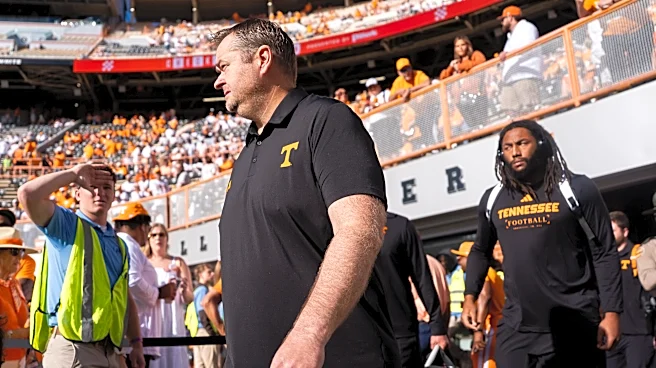
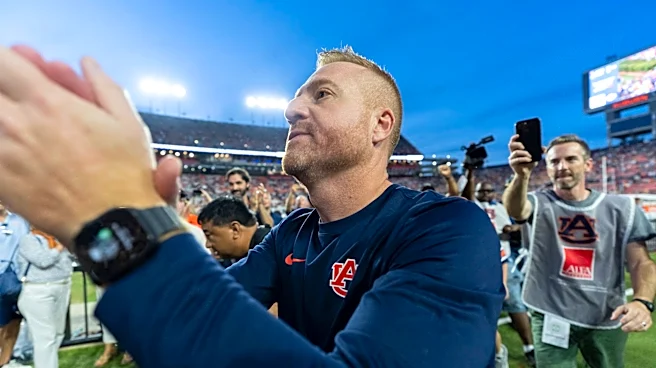
Jenrath faces felony charges of theft of trade secrets and computer tampering, and the legal process will determine his culpability and any penalties. The schools that received the confidential documents have not been publicly identified, though some reportedly returned the information to Auburn. This incident may prompt Auburn and other universities to review and strengthen their data security measures and employee conduct policies related to recruiting. The timing of Jenrath's arrest, just before the Auburn-Tennessee SEC matchup, adds a dramatic element to the rivalry, though Auburn coach Alex Golesh has downplayed its impact on the game. The NCAA may also investigate the matter to determine if any rules were violated by the receiving institutions, potentially leading to sanctions or new regulations concerning information sharing in recruiting.
Beyond the Headlines
This case delves into the ethical landscape of competitive sports, where the pursuit of victory can sometimes lead to questionable practices. The alleged use of an email pseudonym, 'Don Julio,' and the inclusion of Coach Golesh's home address in the subject line, as reported, suggest a deliberate attempt to conceal identity and potentially implicate others. This incident draws parallels to the 2016 'WakeyLeaks' scandal, indicating a recurring vulnerability in collegiate sports to internal breaches of trust. Beyond the legal ramifications, the event could foster a climate of distrust among rival programs and force a re-evaluation of the integrity of the recruiting process. It also highlights the increasing sophistication of information management in sports, where data on recruits is treated as valuable intellectual property, necessitating robust protection against theft and misuse.