



What's Happening?
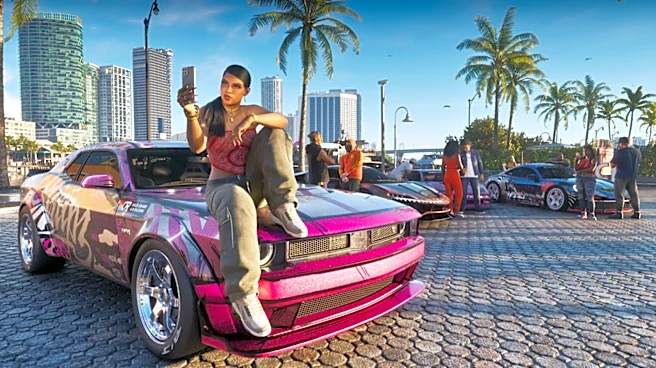
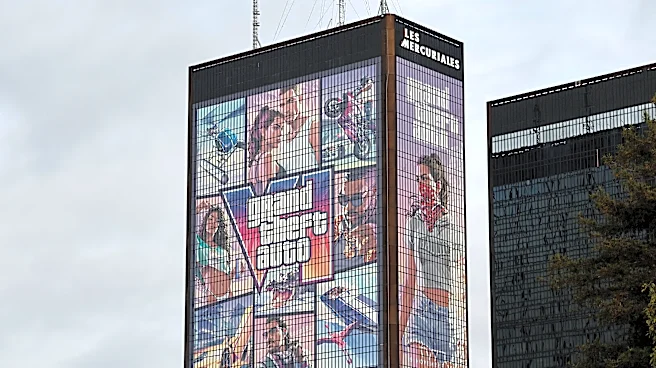
Lawrence Sullivan, widely known as the 'Florida Joker' due to his distinctive facial tattoos and viral mug shot from 2017, has announced that he will be a 'special voice actor' in the upcoming video game Grand Theft Auto 6 (GTA 6). Sullivan initially
gained attention after the game's first trailer featured a character bearing a resemblance to him, leading him to demand compensation and threaten legal action against Rockstar Games. He later shifted his stance, offering to voice the character and contribute to the game's storyline. In a video posted on Instagram, Sullivan confirmed his involvement, stating that he is an 'official voice actor' for GTA 6, despite previous doubts and criticisms regarding his claims. The full credits for GTA 6 reportedly list Lawrence Sullivan among 'The Local Population,' suggesting his role is part of the game's background characters.
Why It's Important?
This development is significant for several reasons, particularly in the intersection of pop culture, intellectual property, and the gaming industry. Lawrence Sullivan's journey from a viral internet sensation to a voice actor in a major video game highlights the increasing influence of internet personalities and real-life events on creative works. It also underscores the complex legal and public relations challenges faced by game developers when characters inadvertently or intentionally resemble real individuals. For Rockstar Games, including Sullivan, even in a minor role, could be a strategic move to mitigate potential legal disputes and capitalize on the existing public interest surrounding the 'Florida Joker' character. This situation sets a precedent for how viral personalities might engage with large media franchises in the future, potentially opening new avenues for collaboration or conflict.
What's Next?
With Lawrence Sullivan's confirmation as a voice actor, the focus will now shift to the release of Grand Theft Auto 6 and the public's reaction to his involvement. Gamers and fans of the 'Florida Joker' will likely be keen to identify his contributions within the game. This situation could also inspire other individuals who believe their likeness has been used in media to pursue similar avenues, either through legal action or by seeking collaborative opportunities. For Rockstar Games, this resolution might serve as a template for handling future instances where real-life figures are perceived to be depicted in their games. The broader implications for intellectual property law regarding public figures and their digital representations will continue to evolve, potentially leading to new legal precedents or industry standards.
Beyond the Headlines
Beyond the immediate news, this story touches on deeper themes of identity, representation, and the blurred lines between reality and digital entertainment. Lawrence Sullivan's transformation from a real-life figure to a character within a fictional universe raises questions about the ownership of one's public image in the digital age. It also highlights the power of viral content to influence mainstream media and create unexpected opportunities. The 'Florida Joker' phenomenon, and now his role in GTA 6, exemplifies how internet culture can shape narratives and even contribute to the creative process of major entertainment franchises. This case could serve as a fascinating study in how public figures, even those who achieve notoriety through unconventional means, can leverage their visibility to engage with and impact popular culture.