

What's Happening?
A discussion on r/AskReddit has brought to light numerous instances of what users consider to be perfect casting choices in cinematic history. Participants shared their picks for roles where the actor's portrayal was so integral that it would be difficult
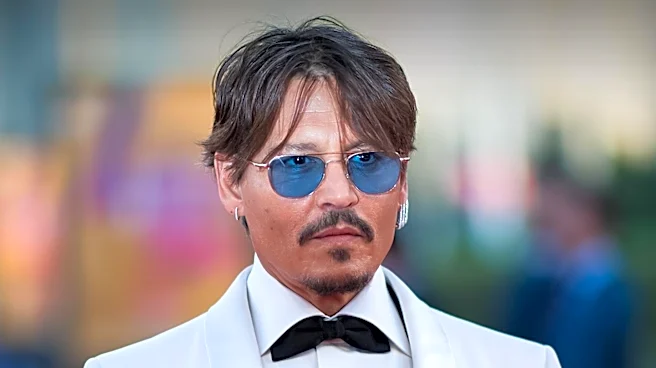
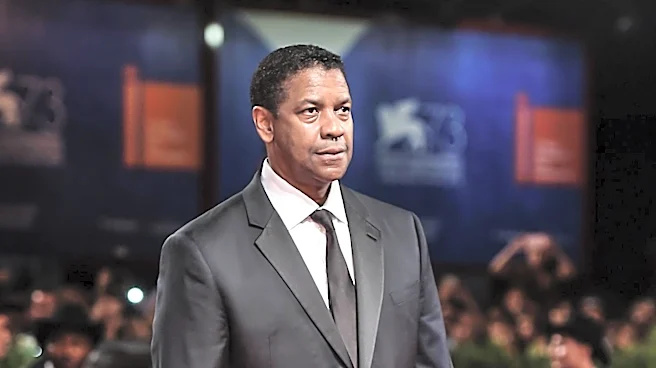
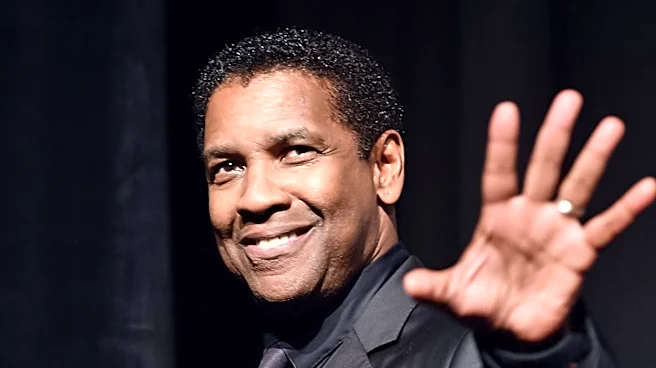
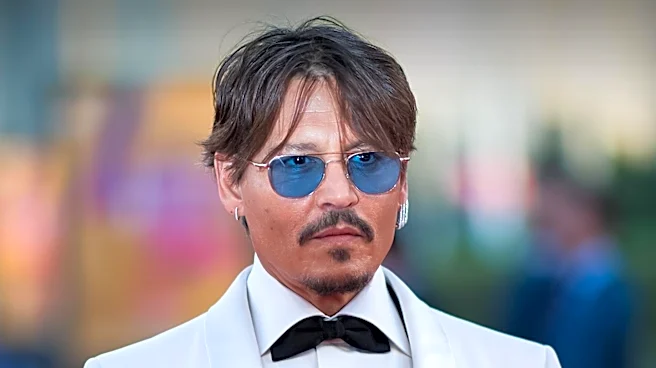
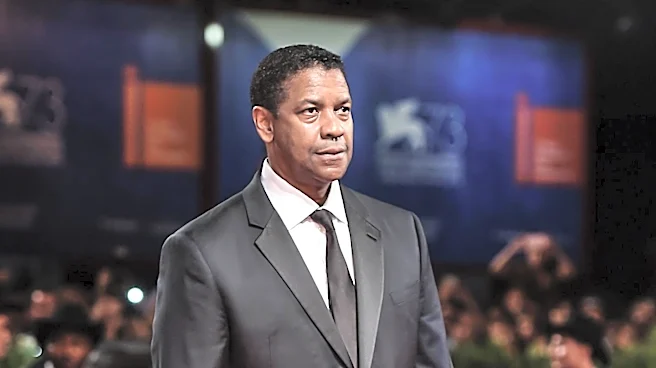
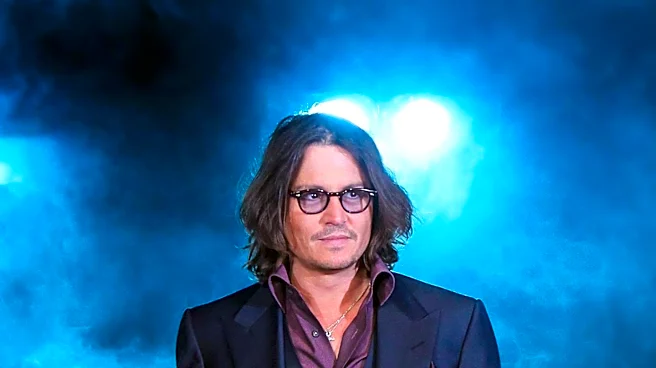
to imagine anyone else in the part. Among the highlighted performances are Tom Hanks as Forrest Gump, Ralph Fiennes as Amon Göth in 'Schindler's List,' Val Kilmer as Doc Holliday in 'Tombstone,' and Denzel Washington as Malcolm X. Other notable mentions include Johnny Depp as Captain Jack Sparrow, Alan Rickman as Snape in 'Harry Potter,' Kathy Bates as Annie Wilkes in 'Misery,' and Anjelica Huston as Morticia in 'The Addams Family.' Laurence Fishburne's role as Morpheus in 'The Matrix' was also cited, with a note that Sean Connery had initially turned down the part. Michael J. Fox as Marty McFly, Matthew Lillard as Shaggy in 'Scooby-Doo,' John Goodman as Walter in 'The Big Lebowski,' Christoph Waltz in 'Inglourious Basterds,' Ian McKellen as Gandalf, and J.K. Simmons as J. Jonah Jameson were also recognized for their iconic portrayals.
Why It's Important?
The discussion underscores the profound impact that casting decisions have on the success and legacy of a film. When an actor perfectly embodies a character, it can elevate the entire production, making the role unforgettable and often defining the character for generations of viewers. These 'crucial casting choices' demonstrate how an actor's unique talent and interpretation can transcend the script, creating performances that become cultural touchstones. For the film industry, this highlights the critical importance of the casting process, as a well-chosen actor can significantly contribute to a film's critical acclaim and commercial success. Conversely, a miscast role can detract from a film's potential, illustrating the high stakes involved in these decisions. The longevity of these performances in public memory also speaks to the power of cinema to create lasting cultural icons.
What's Next?
While this particular discussion is a retrospective look at past casting decisions, the ongoing nature of film production means that similar debates and analyses will continue with future releases. As new films are cast and released, audiences and critics will continue to evaluate the effectiveness of actor-role pairings. The criteria for 'perfect casting' will likely remain subjective, influenced by individual preferences and cultural contexts. The industry will continue to seek out actors who can bring depth and authenticity to their roles, aiming to replicate the success seen in these highlighted examples. This ongoing evaluation by the public serves as a continuous feedback loop for filmmakers and casting directors, influencing future choices and shaping the evolution of cinematic storytelling.
Beyond the Headlines
The phenomenon of 'perfect casting' extends beyond mere acting skill; it often involves a confluence of an actor's inherent qualities, their understanding of the character, and the director's vision. These discussions reveal a deeper appreciation for the craft of acting and the intricate process of filmmaking. They also touch upon the public's emotional connection to fictional characters, where certain portrayals become so ingrained that they are inseparable from the character itself. This cultural resonance can influence how future adaptations are received, as audiences often hold strong expectations based on beloved past performances. The enduring impact of these roles highlights the power of storytelling and the unique ability of cinema to create shared cultural experiences and lasting artistic impressions.