




What's Happening?
Airbus is facing a significant challenge to meet its 2026 aircraft delivery target, requiring approximately 249 deliveries in November and December. This pace, averaging about 125 aircraft per month, is more than double its average of 62 deliveries per month earlier
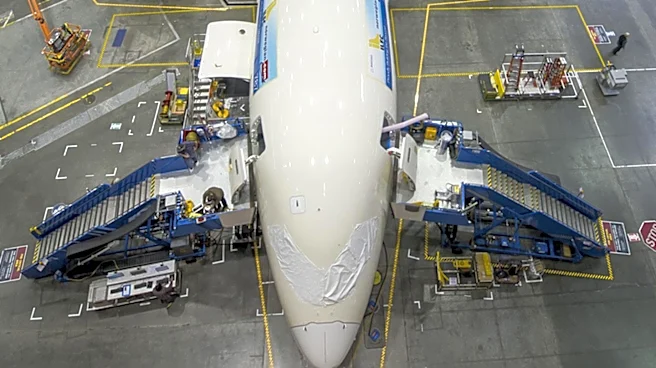
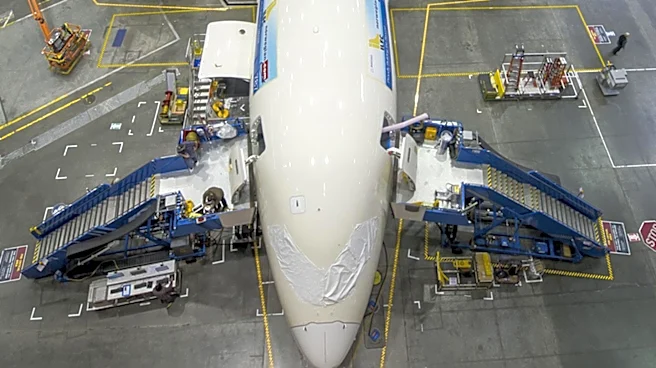
in the year and would surpass its previous annual record of 863 set in 2019. Despite a reaffirmation of the target on October 28, October's delivery figures of 74 aircraft were lower than the previous year, marking the third consecutive month of year-on-year declines. According to Lars Wagner, head of Airbus's commercial aircraft business, the company insists that the aircraft are ready, with many already in final assembly or on delivery lines. However, the primary obstacles remain supply chain issues, particularly concerning engines and other parts, as well as recent quality concerns affecting some A321neo and A330 aircraft. Airbus has previously experienced situations where finished aircraft awaited engines before delivery.
Why It's Important?
The ability of Airbus to meet its delivery targets is crucial for its financial performance and investor confidence. As Airbus receives the majority of an aircraft's price upon delivery, meeting these targets directly impacts its revenue and cash flow, which are key metrics closely watched by investors. A failure to meet the target could raise questions about Airbus's capacity to scale up production, potentially affecting its long-term plans, such as building 70 to 75 A320 family aircraft per month by the end of 2027. In comparison to its American rival, Boeing, Airbus is currently in a stronger position, with Boeing's shares having fallen due to delays and slower cash flow recovery. However, both companies are grappling with similar supply chain challenges, especially regarding engine availability, which limits their ability to increase output as quickly as airlines desire. Strong demand for aircraft is evident, with Airbus recording 1,305 net orders by the end of October and a recent firm order for 14 aircraft from Cathay Group.
What's Next?
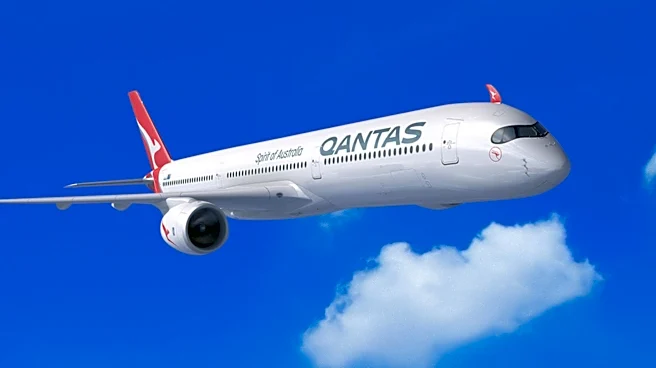
The coming weeks are critical for Airbus as it attempts to achieve its ambitious delivery goal. The company has initiated the first tranche of a share buyback program, valued at up to €800 million, which began on November 9 and is set to conclude on December 23. This buyback, part of a larger program allowing for up to €5 billion in buybacks through July 2029, aims to support the share price by reducing the number of outstanding shares. The key determinant of whether Airbus meets its target will be the timely arrival of engines and other essential parts. The outcome of this delivery push will be revealed when the 2026 figures are published in January. Additionally, Europe's aviation safety regulator has issued a directive for repeated inspections of fastenings in the horizontal stabilizer of some A350s due to potential structural integrity risks, though this is not expected to automatically delay deliveries.
Beyond the Headlines
The challenges faced by Airbus highlight broader vulnerabilities within the global aerospace supply chain, particularly concerning critical components like aircraft engines. This situation underscores the interconnectedness of the industry, where issues with a single supplier can impact the delivery schedules and financial performance of major manufacturers. The ongoing supply chain disruptions could lead to a re-evaluation of manufacturing strategies, potentially encouraging greater vertical integration or diversification of suppliers to mitigate future risks. Furthermore, the strong demand for new aircraft, despite these production hurdles, indicates a robust recovery in the aviation sector. However, the inability of manufacturers to meet this demand as quickly as desired could lead to longer waiting times for airlines, potentially impacting their expansion plans and fleet modernization efforts. The share buyback program by Airbus also reflects a strategic move to enhance shareholder value amidst operational challenges, signaling confidence in its long-term prospects despite short-term hurdles.