
What's Happening?
The Memphis Grizzlies are experiencing an unexpected surge in performance following the departure of key players Ja Morant, Jaren Jackson Jr., and Desmond Bane. The team has achieved an 11-4 record, including
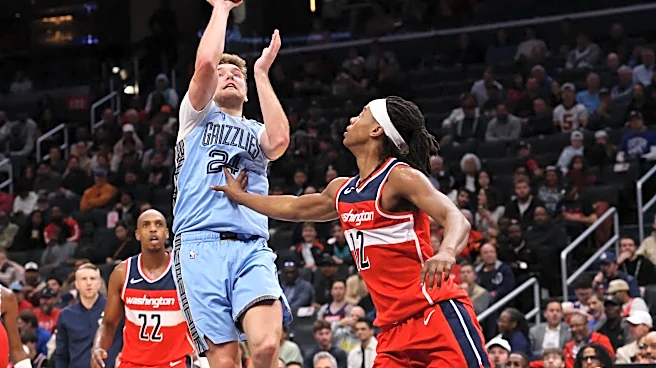
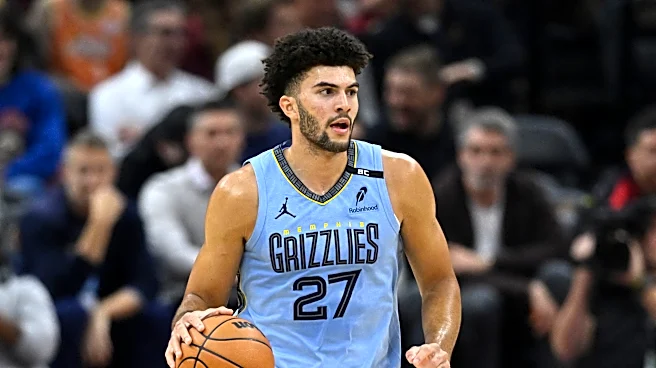
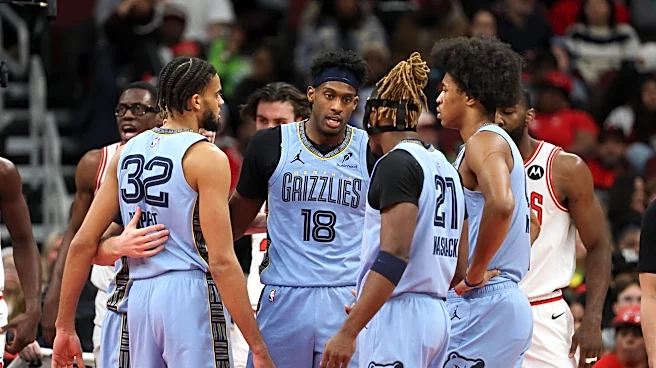
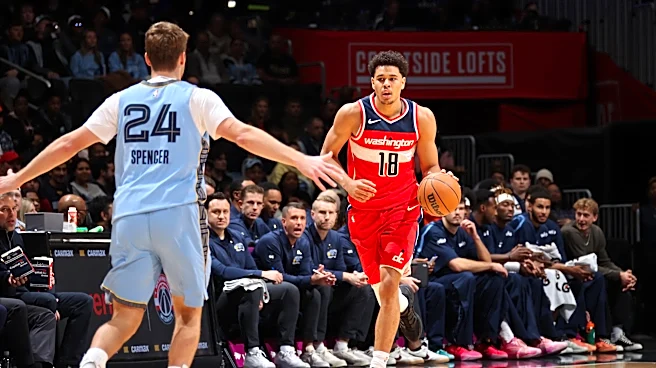
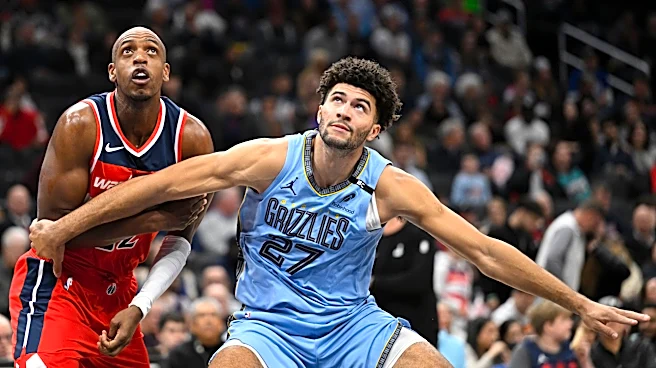
a franchise-record eight-game road winning streak, after a recent 124-121 victory over the Cleveland Cavaliers. An NBA insider has attributed this success to a significant cultural transformation within the organization, noting the absence of 'ego and entitlement' in the current locker room. This assessment draws a direct comparison to the previous era when Morant, Jackson, and Bane were awarded substantial contracts, positioning the team as a championship contender. The insider's report emphasizes that the shift is not solely due to Morant's absence but is the culmination of several years of strategic trades, successful draft selections, and broader organizational changes aimed at fostering a different team culture. Young players like Cameron Boozer, Cam Spencer, Cedric Coward, and Taylor Hendricks are now central to the team's success, contributing significantly in recent games.
Why It's Important?
This development is significant for the NBA as it challenges the conventional wisdom that star-driven rosters are the sole path to success. The Grizzlies' early season performance suggests that a culture built on collective effort, depth, and player development can yield immediate positive results. For the Grizzlies franchise, this shift could accelerate their rebuilding timeline, potentially making them competitive much sooner than anticipated. The emphasis on a team-first mentality, as highlighted by veteran Jerami Grant embracing a reserve role despite being the highest-paid player, demonstrates a successful organizational pivot. This approach could influence other NBA teams to re-evaluate their roster construction and team dynamics, especially those struggling with internal conflicts or over-reliance on individual star power. The success of Memphis's young core also underscores the value of effective scouting and player development programs in the league.
What's Next?
The immediate next step for the Memphis Grizzlies will be to sustain their current momentum and prove that their early season success is not an anomaly. The team will face the challenge of maintaining their collective effort and chemistry as the season progresses and opponents adjust to their new style of play. Continued strong performances from their young core will be crucial for solidifying their new identity and demonstrating the long-term viability of their cultural shift. Other NBA teams will likely observe the Grizzlies' trajectory closely, potentially leading to a re-evaluation of team-building strategies across the league. If Memphis continues to thrive, it could inspire a trend where franchises prioritize team culture and depth over solely investing in high-profile, potentially ego-driven, star players. The organization will also need to manage expectations and continue to foster the development of its young talent to ensure sustained success.
Beyond the Headlines
Beyond the immediate on-court success, the Grizzlies' transformation highlights a deeper organizational philosophy shift that prioritizes collective identity over individual stardom. This approach could have long-term implications for player development and team cohesion in professional sports. The narrative of 'ego and entitlement' being detrimental to team success resonates beyond basketball, touching upon broader themes of leadership and organizational culture in any high-performance environment. The Grizzlies' experience suggests that investing in a cohesive team environment, where every player contributes and embraces their role, can be more impactful than relying on the singular brilliance of a few. This could lead to a re-examination of how player contracts are structured and how team chemistry is fostered, potentially influencing future collective bargaining agreements or team management strategies across professional leagues. The success of this model could also empower smaller market teams to compete more effectively by focusing on sustainable team-building rather than solely chasing marquee free agents.