



What's Happening?
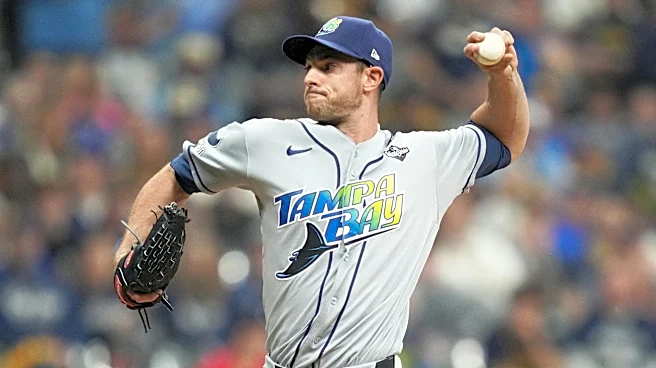
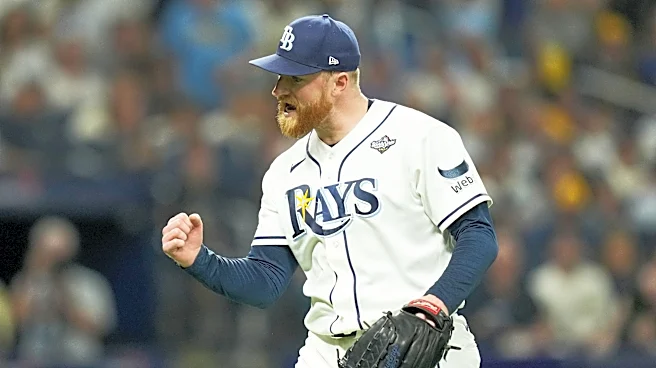
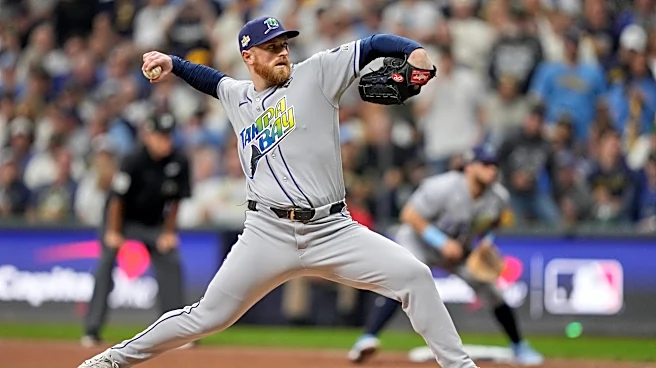
Tampa Bay Rays manager Kevin Cash has voiced concerns about his future in managing, stating, 'I guess the best I can say is I hope I’m managing next year.' This statement comes as Major League Baseball (MLB) faces significant offseason uncertainty, with
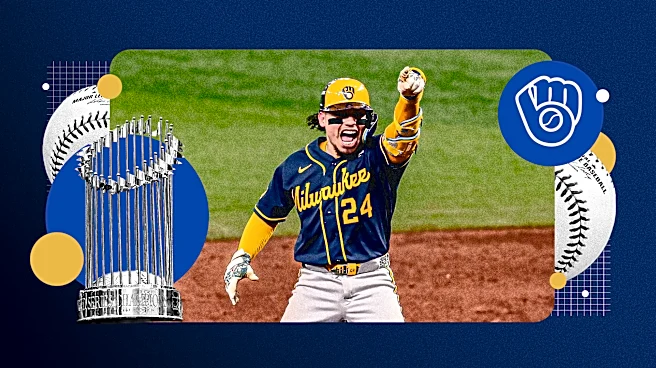
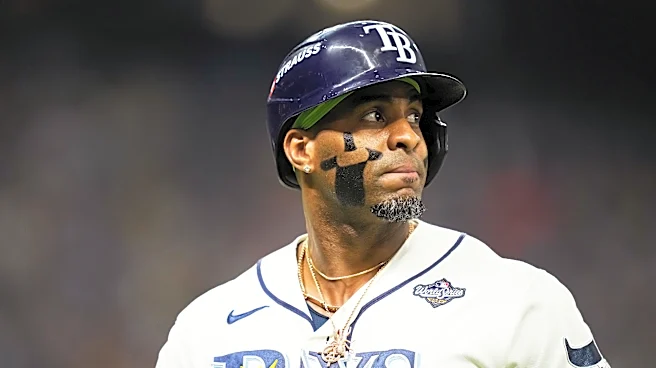
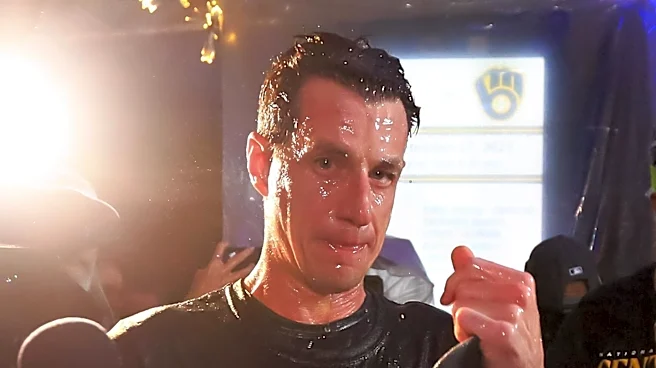
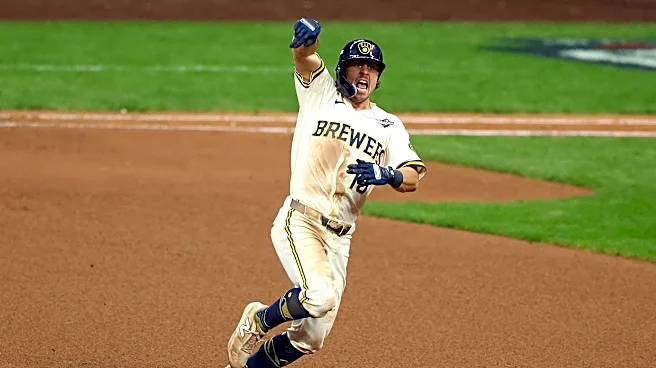
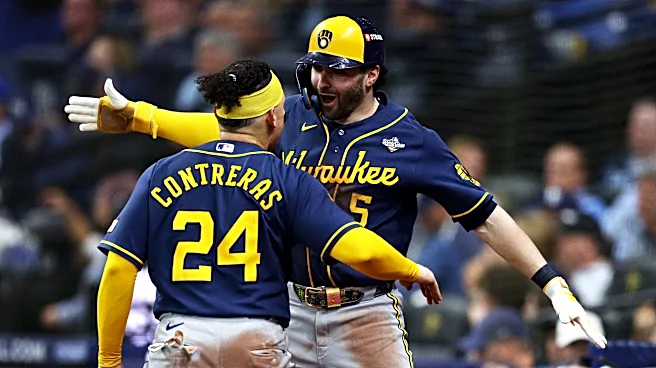
a potential lockout looming. The current labor agreement is set to expire on December 1, and owners are widely expected to lock out players if a new deal is not reached. A central point of contention in negotiations is the implementation of a salary cap. The league advocates for a salary cap to address the payroll disparity between large and small-market teams, believing it would create a more equitable spending environment. However, the MLB Players Association has firmly rejected the idea of a salary cap, considering it a nonstarter in discussions. Cash's remarks highlight the widespread apprehension within the league as the deadline for a new labor agreement approaches, following the Milwaukee Brewers' World Series victory over the Rays.
Why It's Important?
The potential MLB lockout carries significant implications for the sport's economic landscape and its stakeholders. A lockout would halt all league activities, including player transactions, spring training, and potentially the start of the next season, leading to substantial financial losses for teams, players, and associated businesses. For players, a lockout means a cessation of salaries and benefits, impacting their livelihoods. For team owners, it could result in lost revenue from ticket sales, merchandise, and broadcasting rights. The dispute over a salary cap reflects a fundamental disagreement on wealth distribution and competitive balance within the league. If a salary cap is implemented, it could reshape team building strategies, potentially benefiting smaller market teams by limiting the spending power of larger ones, but it is strongly opposed by players who fear it would suppress salaries. The outcome of these negotiations will determine the financial structure of MLB for years to come and could set precedents for other professional sports leagues.
What's Next?
The immediate focus for Major League Baseball is the December 1 deadline for the expiration of the current labor agreement. If a new deal is not reached by this date, a lockout is widely anticipated, which would immediately freeze all league operations. Negotiations between MLB owners and the MLB Players Association will intensify as they attempt to bridge the significant gap on issues such as the salary cap. The duration of any potential lockout is uncertain, but a prolonged dispute could jeopardize the start of the next MLB season, leading to further economic disruption and fan dissatisfaction. Stakeholders, including team management like Kevin Cash, players, and fans, will be closely watching the progress of these negotiations, as the future of the sport's operational and financial structure hangs in the balance. The resolution of this labor dispute will dictate the immediate future of professional baseball in the U.S.
Beyond the Headlines
The ongoing labor dispute in MLB, particularly the debate over a salary cap, touches upon broader themes of labor relations and economic equity in professional sports. The league's push for a salary cap, framed as a measure to ensure competitive balance, is often viewed by players as a mechanism to control and suppress player salaries, limiting their earning potential. This conflict highlights the inherent tension between ownership's desire for cost control and profitability, and players' demands for fair compensation and freedom in the market. A lockout would not only disrupt the sport but also underscore the power dynamics at play, potentially leading to a re-evaluation of collective bargaining agreements across other major U.S. sports leagues. The outcome could influence how future labor disputes are approached, impacting the economic models and player-management relationships in professional athletics for years to come, and potentially altering the fan experience through changes in team competitiveness and player movement.